Diet taboos for rheumatism patients
High-purine animal-derived foods, high-added sugar/high-fructose foods, foods that you are allergic to, and other so-called "fat foods", "spicy foods" and "soy products" do not require a blanket ban. Whether you should avoid them depends on whether you feel uncomfortable after eating them.
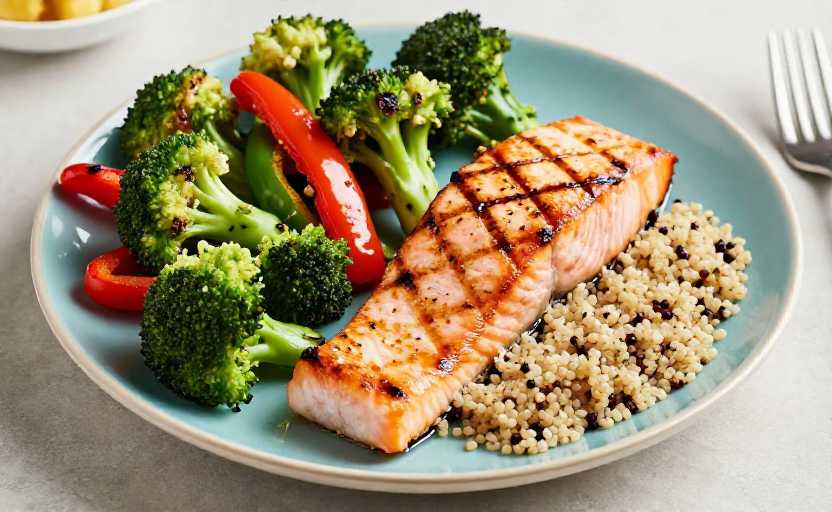
Last year, I treated Aunt Zhang, a 52-year-old rheumatoid patient. I heard from fellow patients in the community that all seafood is "hairy" and her joints will swell if she touches her. I have endured it for more than half a year without daring to touch my favorite river shrimp. Last month, my daughter brought her half a kilogram of boiled river shrimps home. She only dared to eat 3 of them. As a result, her right knee joint hurt so much that she couldn't walk the next day. She came to me with a crumpled diet book and said, "Look, I just said you can't touch seafood." I looked through her records for the day and discovered that she went to have afternoon tea with her old sisters in the afternoon, ordered a bunch of freshly squeezed orange juice, drank two large glasses, and ate two pieces of mango mousse - whether it was the shrimp or the sugar, it's hard to say.
In fact, many people, like Aunt Zhang, have put all high-purine foods on the blacklist, which has really wronged many delicious foods. In the early years, the old gout guidelines did require strict restriction of all high-purine foods, regardless of animal or plant origin. Many people banned tofu, mushrooms, and bean sprouts. In fact, research in recent years has long overturned this conclusion: the metabolic pathways of plant-based purines are completely different from those of animal origin. Eating them will hardly increase blood uric acid and will not aggravate the inflammatory reaction. Unless you have a joint reaction after eating it, you can eat it normally. I have an old patient who has suffered from gout for 12 years. He eats mapo tofu twice a week. His uric acid has been stable at around 350 and he has never had an acute attack. Of course, this does not mean that all high-purine foods can be eaten casually. Animal-derived high-purine foods such as sardines, anchovies, animal offal, thick broths that have been simmered for several hours, and hot pot soup bases should be touched as little as possible. Especially during an acute attack of gout, it is best not to touch one bite at all. In the stable period, it is not a big deal to eat two bites occasionally to satisfy the craving. Don't feel too guilty.
Don’t underestimate the impact of sugar. High fructose is actually more subtle than high purine, and it is the invisible culprit for many people’s recurring illnesses. Don’t think that only milk tea and cola contain sugar. Freshly squeezed juices, honey, and even high-sugar fruits such as lychees, longans, and grapes, as well as fructose syrup added to the “0-calorie sugar” and “sugar-free drinks” promoted by many businesses, are all heavy users of fructose. When fructose enters the body, it will not only promote the synthesis of uric acid, but also aggravate the inflammatory response throughout the body. Whether you have rheumatoid, ankylosing or gout, eating too much can easily induce joint pain. Later, Aunt Zhang tried it once at home and only ate 5 small river shrimps. She didn't touch the sweet ones at all, and there was nothing wrong with it. The previous pot was really full of orange juice. Last week, a 19-year-old boy had his first gout attack. The day before, he neither ate seafood nor drank alcohol. He drank 3 bottles of ice cola because the weather was too hot. His feet hurt in the middle of the night and he rolled around. When he checked, his uric acid spiked to 680 μmol/L. Do you think this is unfair?
There is also a more individual taboo, which is allergenic foods that you will feel uncomfortable eating. There is no general list to refer to. For example, I once met an ankylosing patient who was allergic to wheat gluten. His joints hurt every time he ate noodles. It took him a long time to find out the cause. ; There was also a little girl with rheumatoid arthritis who was allergic to mangoes. Not only did she get a rash after eating it, but her wrists were so swollen that she couldn't even hold a pen. I usually ask patients to prepare a small note pad and write down roughly what they eat every day. If joint pain, swelling, or stiffness occurs within 24 hours, mark the special foods they eat that day. If they feel uncomfortable eating the same thing two or three times in a row, they should avoid it as much as possible in the future. This is 100 times more reliable than a random list of taboos found online.
As for those "don't touch any hairy things" and "can't eat spicy food" posted on the Internet, it really varies from person to person. In traditional Chinese medicine, hair is an individualized concept. Not everyone will get sick after eating it. I have a patient from Northeast China who eats mutton stew once a week in winter. His whole body feels warm and his morning stiffness is relieved. ; Another patient's joints became red and swollen the next day after eating mutton, so he naturally didn't touch it. It is also said that you should not eat spicy food. As long as you don’t have basic problems such as gastric ulcer or gastroenteritis, eating spicy food will not aggravate rheumatism at all. On the contrary, some studies say that capsaicin can also help fight inflammation. I have a rheumatoid patient from Hunan who eats spicy millet every meal. His condition is better controlled than many people who dare not eat this or that.
To be honest, rheumatism is an autoimmune disease, and diet is only one of the influencing factors, not the decisive factor. There is no need to act like an ascetic and dare not touch anything. The core is to avoid things that are clearly not good for you, and eat the rest if you want. It will make you feel better and help stabilize your condition. If you are unhappy every day because of taboos, no matter how healthy you eat, it will not be good for your body.
Disclaimer:
1. This article is sourced from the Internet. All content represents the author's personal views only and does not reflect the stance of this website. The author shall be solely responsible for the content.
2. Part of the content on this website is compiled from the Internet. This website shall not be liable for any civil disputes, administrative penalties, or other losses arising from improper reprinting or citation.
3. If there is any infringing content or inappropriate material, please contact us to remove it immediately. Contact us at: