Diet taboos for paronychia
High-sugar and high-glycemic foods, spicy and irritating foods that aggravate inflammation, highly allergenic foods that you are clearly allergic to, and other statements such as "you must not touch beef, mutton/seafood/eggs" spread online are mostly not universal. Do not overly strict taboos, which will lead to insufficient nutritional intake and slow down recovery.
I just treated a sophomore boy last week. The swelling of the paronychia in his left big toe had subsided and was about to heal. He went out for a dinner party in time for his roommate's birthday. He showed off two pounds of thirteen-spice crayfish, ate two large pieces of mango cream cake, and drank three bottles of cold beer. The next morning, his feet were so swollen that he couldn't even put his slippers in. He limped to the emergency room with pus dripping from his eyes. The first thing he said when he entered the door was, "Doctor, did I eat something wrong and made a taboo?" ”
In fact, the food can't be entirely blamed, but the things he showed off that day just hit the mark. Let’s talk about the two pieces of cream cake first. High-sugar food raises blood sugar quickly, which will not only slow down the healing of the skin, but also directly provide "rations" to the bacteria that breed in the nail grooves. The bacteria that have been suppressed by immune cells will rebel again if they are suddenly supplied with nutrients. To put it more professionally, high sugar will also reduce the phagocytosis and sterilization ability of neutrophils, which is equivalent to opening a green channel for bacteria. The inflammation that was originally cured in two or three days will take another week.
Many people think, "I only eat spicy food in my stomach, so what does it have to do with my feet?" ”That's not really the case. The capsaicin in peppers stimulates the body to release inflammatory mediators. The damaged tissue in the nail groove is already in a state of stress. The inflammatory mediators run along the blood vessels, doubling the feeling of redness, swelling, heat and pain. Just because you usually eat spicy food does not mean that you can create an inflammatory phase at will. If the pain is yours, it is more cost-effective to endure it for a few days.
When it comes to this, we have to mention the controversy about "fawu" that everyone is most concerned about. There is indeed a difference in the views of traditional Chinese medicine and Western medicine on this point. There is no need to say who is right and who is wrong. Western medicine does not have the concept of "hair growth". As long as you usually eat beef, mutton, seafood, mangoes, etc., you will not be allergic or get red rash or itchiness. It is perfectly fine to eat a small amount during the inflammation period. On the contrary, the high-quality protein and vitamins in it can help speed up wound healing. But what Chinese medicine says is not unreasonable. If you are allergic and feel itchy after eating some seafood, or if you ate mutton when you had paronychia last time and the wound hurt more obviously, then of course you should stop temporarily. This standard varies from person to person, and there has never been a unified "list of foods" that everyone is required to abide by.
Oh, by the way, some people asked if they could drink. Need I say that? First of all, alcohol itself will dilate blood vessels. The originally swollen area will become more swollen and the pain will be more obvious. If you are taking antibiotics such as cephalosporins and metronidazole, disulfiram reaction is not a joke. It is really life-threatening. No matter what the situation, don't touch a sip of alcohol while taking the medicine.
Last month, an aunt in her sixties came for a follow-up examination. It had been ten days since her paronychia incision and drainage, and the wound showed no sign of healing. When I asked her, she learned that her neighbor said, "If you have a wound, you should avoid eating it. Eggs and chicken are fat and you can't eat them." She drank white porridge with pickles at home every day. Even after ten days of drinking, her blood sugar was low when she came here. I told her to go back and stew some egg custard and cook some lean pork to eat, and add enough protein to prevent the wound from growing. But she went back to eat for three days, and when she came back for a review, the scabs had formed. Do you think it was unfair to suffer a loss?
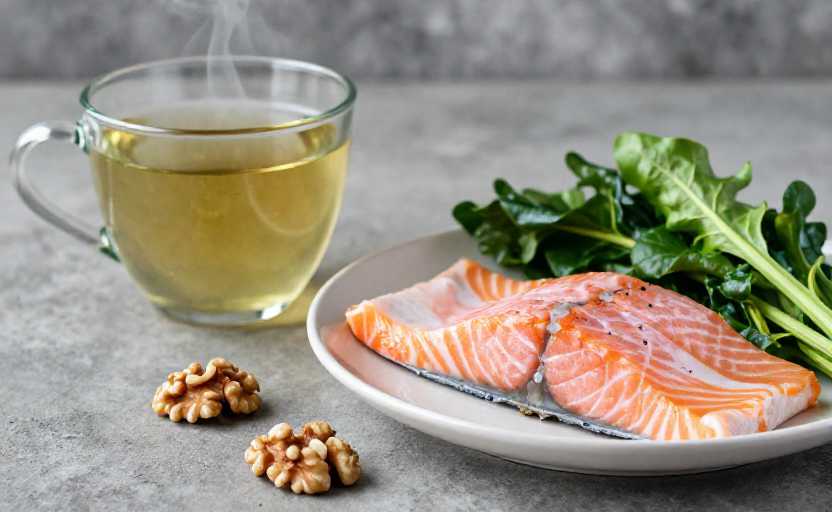
There is really no need to make the dietary taboos for paronychia too complicated. I usually tell patients that you just need to remember the two most practical principles: first, don’t touch things that are clear to make you allergic, don’t eat anything high in sugar and heavy food, and don’t drink alcohol.; Second, as long as you don’t feel uncomfortable after eating it, you can eat normal meat, eggs, milk, vegetables and fruits. Only with enough nutrition can your immunity keep up and get better faster.
If you are really not sure whether something can be eaten, just take a few bites and try it. If you don’t feel the wound becomes more painful or itchy or red, then you can eat it with confidence. There is really no need to eat every day just for this reason. Of course, I have to mention at the end that diet is just a small detail to assist recovery. The most important thing is not to cut your nails randomly, don't wear shoes that squeeze your feet, and disinfect wounds and change dressings on time. This is more useful than any taboos.
Disclaimer:
1. This article is sourced from the Internet. All content represents the author's personal views only and does not reflect the stance of this website. The author shall be solely responsible for the content.
2. Part of the content on this website is compiled from the Internet. This website shall not be liable for any civil disputes, administrative penalties, or other losses arising from improper reprinting or citation.
3. If there is any infringing content or inappropriate material, please contact us to remove it immediately. Contact us at: