A complete list of three high dietary taboos
First, avoid excessive long-term intake of added sugar, sodium, and saturated/trans fats; Second, don’t be superstitious about any “special effects foods” that claim to be able to “replace drugs, lower blood sugar, blood pressure, and lipids.”」 ; Third, extreme taboos must not lead to imbalanced nutritional intake, which will instead increase the metabolic burden. All the remaining details are an extension of these three items. There is no need to memorize them by rote. Follow the logic and you will avoid pitfalls.
Last week, I met an old uncle who had suffered from high blood pressure for five years. He heard from the Internet that the less salt he eats, the better. He changed his home to non-iodized salt and threw away all the pickles and fermented bean curd he had eaten for breakfast for more than ten years. In fact, the current academic consensus on sodium intake is that it should not exceed 5g per day. It does not mean to completely quit salt. Especially for patients who sweat a lot in summer or are taking sodium-removing antihypertensive drugs, completely cutting off salt will lead to electrolyte imbalance, which is more dangerous than eating too much salt. Oh, by the way, many people think that they are fine if they don’t eat anything salty. In fact, invisible salt is hidden in noodles, sliced toast, preserves, and even your favorite bottled iced tea. I used to help an aunt calculate her diet. She ate two slices of toast in the morning and drank a bowl of noodle soup with light soy sauce. Her salt intake was almost 3g. She ate vegetables normally at noon and evening, which was an overdose. She even said with a confused face, "I didn't touch pickles at all today."
What is more difficult to guard against than invisible salt is invisible sugar, especially for patients with high blood sugar. Many people think that as long as they don’t eat sweets, everything will be fine. There are many pitfalls. There was a very hot controversy before: Can diabetics eat fruit? The old school's view is completely untouchable. The latest version of the "Dietary Guidelines for Chinese Residents" has long been revised. As long as blood sugar control is stable, you can eat about 100g of fruits with a glycemic index lower than 55 between meals, such as strawberries, cherry tomatoes, and half a kiwi. The dietary fiber and vitamins can help stabilize blood sugar, and blood sugar fluctuations are smaller than those of people who do not eat fruits at all. There is also the issue of sugar substitutes that has been quarreling for several years. One group believes that sugar substitutes do not raise blood sugar and is a savior for people with sugar control. The other group says that long-term consumption of sugar substitutes will disturb the intestinal flora and reduce insulin sensitivity. The current consensus is also clear: it is okay to drink sugar-free Coke or eat sugar-substitute desserts occasionally, but do not regard sugar substitutes as a "free card". People who drink three or four bottles of sugar-free drinks a day will still have high blood sugar levels. I used to know a sugar lover who was like this. He thought that sugar-free drinks could be made casually, and two bottles a day were unbeatable. Half a year later, he found that the glycosylated hemoglobin rose directly from 6.2 to 7.1. It took him a long time to find out that this was the problem.
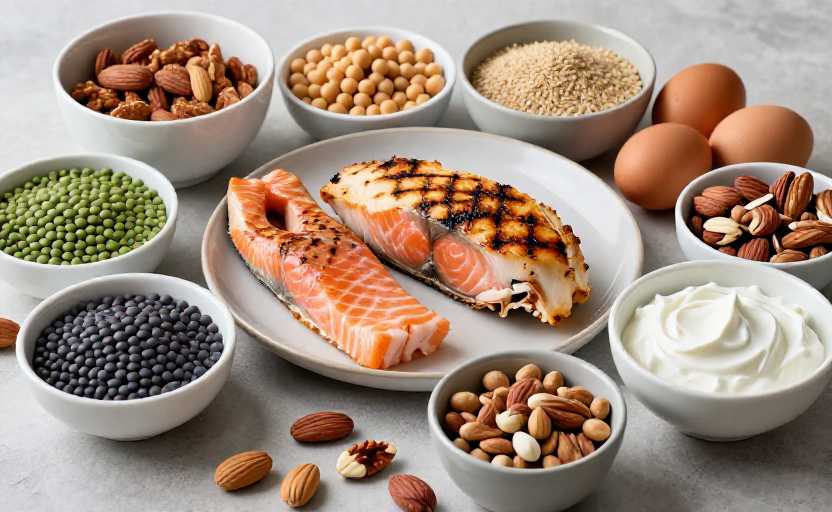
After talking about salt and sugar, let’s talk about the fat issue that many people misunderstand the most. I have seen many patients with hyperlipidemia. As soon as they were diagnosed with high blood lipids, they immediately went on a vegetarian diet. They did not dare to touch any meat, eggs or milk. Previously, an uncle went on a vegetarian diet for three months, eating plain porridge with vegetables every day. However, his blood lipids did not drop. Instead, he was diagnosed with iron deficiency anemia and he wobbled when he walked. In fact, what people with high blood pressure should limit are saturated fats (fat meat, animal oil, butter) and trans fats (non-dairy fat, shortening, old oil from repeated frying), such as Omega3 in deep-sea fish, olive oil, and unsaturated fats in plain nuts, which are good for blood vessels. Eating about 100g of salmon twice a week can control blood lipids much better than people who do not eat fish at all. Oh, and by the way, it has been said for decades that "egg yolks are high in cholesterol, so you should not eat them if they are high in cholesterol." Now the American Heart Association and the Chinese Nutrition Society have made it clear that eating one whole egg a day has minimal impact on blood lipids. Throwing away egg yolks is a real waste. The lecithin and lutein inside are good for blood vessels and eyes.
Apart from these questions about what to eat, the most deceptive thing is actually the dietary remedies that are widely circulated on the Internet. Celery juice lowers blood pressure, bitter melon lowers blood sugar, and Panax notoginseng powder opens blood vessels. To be honest, the content of active ingredients in these foods is really low. For example, apigenin in celery does have a slight blood vessel dilation effect, but if you want to reach the dose that can lower blood pressure, you have to eat more than ten kilograms of celery a day. Who can bear it? It’s not that you can’t eat these things. It’s perfectly fine to eat them as normal vegetables. If you dare to stop taking anti-hyperglycemic and anti-hypertensive drugs and just drink celery juice or bitter melon juice to treat your illness, you’re really making a fool of yourself. When I was rotating in the hospital two years ago, I met an old man who stopped taking antihypertensive medicine after listening to folk prescriptions and drank three large cups of celery juice every day. Finally, he suffered a cerebral infarction and was hospitalized. This is really not an exception.
Finally, I would like to mention the extreme that many people tend to go to: they feel that they cannot touch anything with a little bit of sugar, salt, or oil. They eat clear soup every day as if they are chewing wax. They eat as a family in their own small kitchen. Even during the New Year and holidays, they dare not touch a bite of their favorite dishes. In fact, what foods are absolutely forbidden to eat? As long as the total calories and total intake are controlled, it's totally fine to eat a piece of sweet and sour pork ribs during the Chinese New Year and put less salt and less oil in other dishes that day. Long-term extreme taboos will lead to insufficient protein and mineral intake, muscle loss, and a decrease in basal metabolism. The three highs will be more difficult to control. Besides, eating unhappily every day and mood swings will have a much greater impact on blood pressure and blood sugar than eating a bite of pork ribs.
To put it bluntly, there is no omnipotent "taboo list". To put it bluntly, you just need to flexibly adjust according to your own indicators: if your blood pressure is high recently, eat less salty braised vegetables, if your blood sugar is low, eat less polished rice and white noodles, and if your blood fat is high, eat less deep-fried hot pot and barbecue. It is much more useful than memorizing those rules and regulations. If you are really unsure, take the physical examination report to the clinical nutrition department and ask a doctor. It is much more reliable than reading ten short videos of "health tips".
Disclaimer:
1. This article is sourced from the Internet. All content represents the author's personal views only and does not reflect the stance of this website. The author shall be solely responsible for the content.
2. Part of the content on this website is compiled from the Internet. This website shall not be liable for any civil disputes, administrative penalties, or other losses arising from improper reprinting or citation.
3. If there is any infringing content or inappropriate material, please contact us to remove it immediately. Contact us at: