Diabetes care consultation template
The core of this diabetes nursing consultation sample article is to adapt to the care needs of diabetic patients with interdisciplinary and combined basic diseases. It not only complies with the nursing specification requirements of the "China Type 2 Diabetes Prevention and Treatment Guidelines (2022 Edition)", but also incorporates practical plans from different clinical nursing schools. It can be directly copied from the framework and used after adjusting the details.
The orthopedic consultation I received last month used this framework. The application form clearly stated: The patient is a 72-year-old female who has undergone right hip replacement surgery and has a 12-year history of type 2 diabetes. The fingertip blood sugar reached a maximum of 18.3mmol/L 24 hours after the operation. The light red exudation from the wound cannot be stopped, and the patient did not get better after two routine dressing changes. Finally, after adjusting according to this plan for 3 days, the blood sugar stabilized at 8-10mmol/L, and the wound scabbed within a week.
To be honest, the most common pitfall in interdisciplinary care for diabetic patients is "each has its own responsibility": Orthopedics focuses on wound healing and forgets that blood sugar is easy to fluctuate under stress, and endocrinology focuses on blood sugar values, forgetting that patients are in so much pain after surgery that they cannot eat, and hypoglycemic drugs are prone to hypoglycemia if the dosage is not reduced. During the consultation and discussion at that time, a controversial point came up: Should we immediately use an insulin pump to quickly reduce blood sugar to below 10mmol/L? The young nurse advocates rapid blood sugar reduction, saying that high blood sugar is the core cause of non-healing wounds, and that if it is delayed for a long time, it will easily lead to infection. ; Teacher Li, who has been working for 20 years, said no, saying that this aunt had a history of early morning hypoglycemia and autonomic neuropathy. Lowering blood sugar too quickly would easily lead to asymptomatic hypoglycemia, which would instead affect the blood supply to the brain and slow down recovery. In the end, a compromise was chosen: a basic dose of 10 units of insulin glargine was subcutaneously injected, and the blood sugar was measured every 2 hours. If it exceeded 13 mmol/L, 2 units of fast-acting insulin aspart were added. At the same time, all the bone soup given by the family was stopped, and replaced with multigrain porridge and steamed eggs. After a day of adjustment, the blood sugar dropped to about 12, and there was no hypoglycemia.
When I write consultation records, I never copy the guidelines and list the serial numbers. I always clarify the core issues of the patient first: ① Postoperative stress-induced hyperglycemia, combined with a history of hypoglycemia, and the sugar control goals need to be individualized; ② Wound exudation, high risk of infection in high sugar environment ; ③ Patients and their families have misunderstandings about postoperative diet. They do not know that high-fat soups can raise blood sugar faster than staple foods.
Then the nursing suggestions are written according to the actual priorities. The most important ones are mentioned first: blood sugar monitoring. Measure fingertip blood sugar every 2 hours for 72 hours after the operation. Fasting, 2 hours after three meals, before going to bed, and 3 a.m. should be covered. Don’t just stare at it. Looking at fasting blood sugar, many elderly patients look normal on an empty stomach. However, it secretly drops low in the early morning. If you don't catch it, rebound hyperglycemia the next day is what we often call the Hematoxylin reaction. Many non-specialist nurses confuse this with the dawn phenomenon and blindly increase the amount of hypoglycemic drugs. The more they are used, the higher the blood sugar level. If the blood sugar is measured to be lower than 6mmol/L, immediately give half a cup of warm sugar water and retest after 15 minutes. Don’t wait until it drops below 3.9 before dealing with it. Asymptomatic hypoglycemia is a common occurrence.
There is currently no unified view in the industry regarding sugar control targets. One group advocates strict control at 4.4-10mmol/L to reduce the risk of infection as much as possible.; The other group advocates relaxing it to 7.8-13.9mmol/L, giving priority to avoiding the risk of hypoglycemia. I usually mention it in the consultation suggestions and adjust it based on the actual situation of the patient. For example, this aunt who is over 70 and has a history of hypoglycemia, just relax it to 8-12mmol/L. There is no need to stick to the 10 line.
As for wound care, I will also give you some practical tips. For example, when changing the dressing, first wipe away the exudate around the wound with normal saline. Do not wipe it repeatedly with irritating iodophor. The skin is inherently brittle under high sugar conditions, and repeated stimulation will make it less likely to grow. The frequency of dressing changes does not need to be too frequent. Just change it once every two days. Too often will destroy the new granulation tissue.
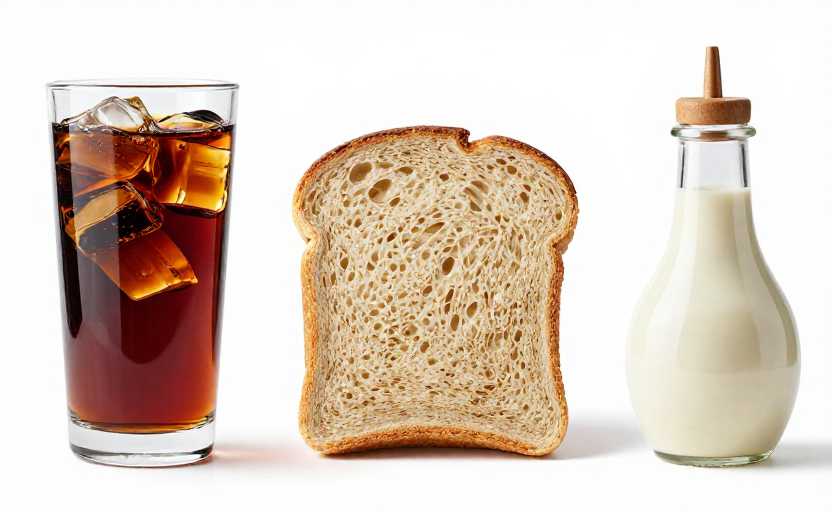
Oh, by the way, I always add a health education to patients and their families during every consultation. Don’t think that you need to put any high-sugar and high-fat food into your mouth if you need to take supplements after surgery. I met a patient who had a gallbladder operated by a general surgery. The family made black chicken soup and pigeon soup every day. The blood sugar was controlled above 15 for a week. After stopping the soup and switching to a light diet, it stabilized in three days. Do you think this is unfair or not?
In fact, all essays are dead, but people are alive. The core of consultation is not to throw your professional knowledge to nurses in other departments. It is to combine the nursing focus of other departments to find the most suitable plan for the patient. After all, as nurses, the ultimate goal is to make patients suffer less and get better quickly.
Disclaimer:
1. This article is sourced from the Internet. All content represents the author's personal views only and does not reflect the stance of this website. The author shall be solely responsible for the content.
2. Part of the content on this website is compiled from the Internet. This website shall not be liable for any civil disputes, administrative penalties, or other losses arising from improper reprinting or citation.
3. If there is any infringing content or inappropriate material, please contact us to remove it immediately. Contact us at: