Diet taboos after surgery
There are only three types of diets that really need to be strictly avoided after Qiaocang (ovarian endometriosis cyst) surgery - products with explicit addition of exogenous estrogen (royal jelly, snow clams, breast enhancement/anti-aging health products with unknown ingredients are the hardest hit), highly irritating/known high allergy risk foods during the recovery period of 1-2 months after surgery, and the remaining "no soy products", "cannot eat hair products" and "cannot drink milk tea" spread online are basically excessive taboos. There is really no need to make yourself afraid to eat anything.
I didn’t say this out of thin air. I met a 28-year-old girl in the clinic before. She was fine during the six-month follow-up examination after the operation. I heard from my best friend that the snow clam supplemented collagen to resist aging. She ate it stewed twice a week for three months, and a new 2cm cyst grew directly during the follow-up examination. The root cause is that the animal estrogen content in the snow clam is too high, which is equivalent to "feeding fertilizer" to the remaining ectopic endometrium. This is a minefield that must be completely avoided.
When it comes to estrogen, we have to mention the controversy over soy products that everyone asks about most. There are indeed two different opinions in clinical practice: One group believes that soy isoflavones are phytoestrogens, and their activity is less than one thousandth of human estrogen. Normally, drinking a cup of soy milk and eating a piece of tofu every day will not even stimulate the endometrium, and it cannot even touch the threshold that affects hormone levels. There is no need to ban it at all.; The other group will be relatively cautious and recommend that in the first 3 months after surgery, try not to take soy isoflavone supplements or drink more than 1L of concentrated soy milk every day. A normal diet is completely fine. Among the hundreds of post-surgery patients I have come into contact with, I have not seen many relapses among those who drank soy milk every day. If you are really struggling, you can eat it occasionally, and you don’t have to completely cut it out of the diet.
As for the taboos during the recovery period, they actually have little to do with Qiao Nang itself. They are purely because they are afraid that you will suffer. For example, after a laparoscopic surgery, there is still carbon dioxide in the abdominal cavity and the gastrointestinal function is weak. If you insist on eating spicy hot pot with iced milk tea just after passing the gas, you will most likely suffer from flatulence and intestinal cramps. The pain is almost the same as torsion of the cyst. There was a girl who sneaked out to eat crayfish with cold beer on the 5th day after the operation. She came back to the emergency room crying in pain that night. There is also the kind of person who gets a rash after eating mangoes or gets diarrhea after eating seafood. If your immunity is low after the surgery, the reaction will only be more severe and slow down the recovery progress. There is no need to fight against this.
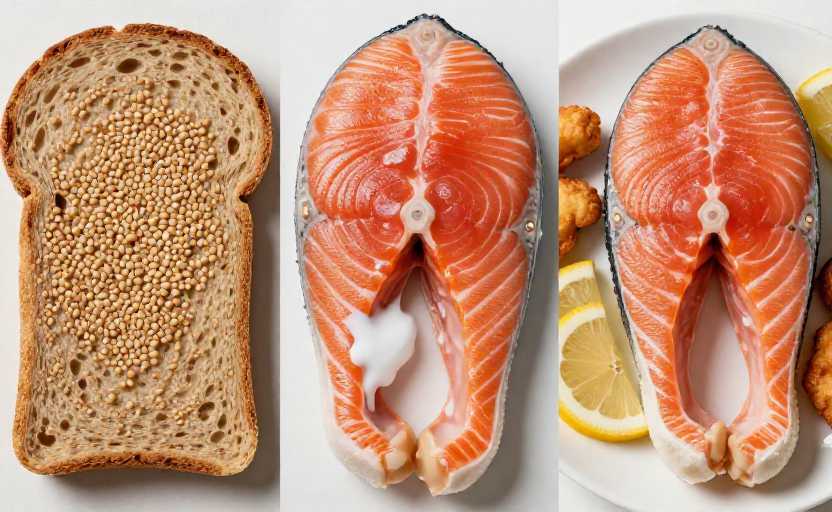
I really advise you not to believe the remaining taboos on "hair products" that are so popular that you can't eat beef, mutton, fish and shrimp. As long as you are not allergic, these are sources of high-quality protein. After surgery, you need supplements to nourish the long wounds. If you drink porridge and eat vegetables all the time, your recovery will be slower. There is also a saying that eating sweets will cause recurrence, but there is no clear evidence-based basis. It is easy to be depressed after surgery. Occasionally eating a piece of cake or drinking a cup of milk tea to cheer yourself up. Stabilizing your mood has more endocrine benefits than abstaining from sweets for three months.
To be honest, dietary taboos are always the smallest part of the postoperative advice I usually give to patients. Instead, I repeatedly emphasize not staying up late, not buying random anti-aging health care products from friends circles, and having regular check-ups. There was a patient who had been on a strict diet for two years, not even daring to touch a bite of tofu. As a result, he worked overtime until two or three o'clock every day and was so stressed that he cried every day. In the end, he relapsed. ; On the other hand, the other girl was very carefree. She ate everything normally except snow clams and royal jelly, went to bed at ten o'clock every day, and exercised regularly. After three years of reexamination, nothing happened.
To put it bluntly, there really aren’t so many sensational rules and regulations regarding diet after surgery. Just focus on the few minefields with real clear risks and make the rest as comfortable as possible. Enough nutrition and a good mood are more effective than any strict taboo list.
Disclaimer:
1. This article is sourced from the Internet. All content represents the author's personal views only and does not reflect the stance of this website. The author shall be solely responsible for the content.
2. Part of the content on this website is compiled from the Internet. This website shall not be liable for any civil disputes, administrative penalties, or other losses arising from improper reprinting or citation.
3. If there is any infringing content or inappropriate material, please contact us to remove it immediately. Contact us at: