Breastfeeding and Allergy Prevention: The Latest Scientific Conclusions
According to the 2023 "Guidelines for Allergy Prevention in Infants and Young Children" updated by the World Allergy Organization (WAO) and the European Society of Pediatric Gastroenterology, Hepatology and Nutrition (ESPGHAN), Breastfeeding can reduce the risk of atopic dermatitis and mild to moderate milk protein allergy in infants under 1 year old, but it cannot completely prevent the occurrence of allergies, and there is no need for mothers to blindly avoid daily highly allergenic foods without a clear family history of allergies. . This is currently the most authoritative core conclusion about the relationship between the two.
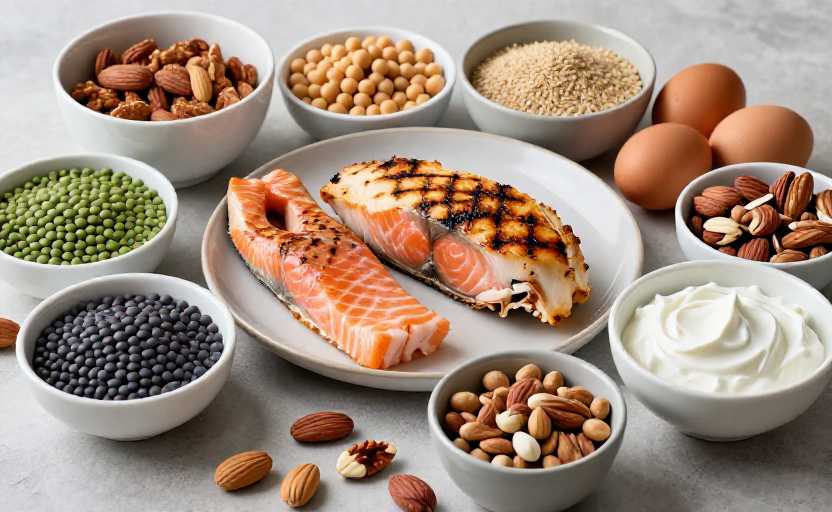
Two weeks ago, I just received a mother who was 3 months postpartum in the clinic. She burst into tears as soon as she sat down. She said that in order to protect her child from allergies, she had started to avoid food since the third trimester of pregnancy. She did not touch milk, eggs, seafood, or even nuts. Even now, after exclusive breastfeeding, the child still has eczema on her face. The elders in the family blamed her for "poison in the milk." She herself was also debating whether to stop breastfeeding altogether and switch to deeply hydrolyzed milk powder.
In fact, this misunderstanding is really too common. In the past few years, there was indeed a saying in academic circles that "exclusive breastfeeding for 6 months + strict dietary taboos for mothers can prevent allergies." The logic at that time was that the protein fragments in breast milk are milder and reduce the probability of the baby being exposed to foreign allergens, which can help the immune system make a smooth transition. However, with the advancement of large-sample cohort studies in recent years, this conclusion has long been updated. In 2022, the New England Journal of Medicine published a study that tracked more than 2,300 babies with high allergy risks. It was found that the allergy incidence rate at 3 years old was not statistically different between the group that was exclusively breastfed to 6 months old and the group that gradually added complementary foods at 4 months old. On the contrary, those babies who were exposed to a small amount of allergens through their mother's diet during breastfeeding and started to try peanuts, eggs and other foods at 4 months old had about 12% lower allergy rates.
To put it bluntly, it is easy to understand. The baby's immune system is not "the less contact the better", but "appropriate contact and learning to distinguish". The trace amounts of food protein fragments contained in breast milk are equivalent to sending a "friendly identification card" to the immune system. Next time you encounter a complete protein of the same type, you will not launch inflammatory attacks at will. Instead, you will avoid them all. When you add complementary foods and come into contact with a complete protein for the first time, the immune system will easily "make a fuss".
Of course, this does not mean that the taboo statement is completely wrong. Many experts around me who have been involved in childhood allergy for 20 to 30 years will still advise mothers to avoid whole-protein milk and shelled seafood in the first three months of lactation when encountering ultra-high-risk families where both parents have severe allergic asthma and one child has been diagnosed with severe cow's milk protein allergy. After all, statistical conclusions are based on groups, and individual differences are always more important than average data. I personally met a mother who was severely allergic to seafood. She got hives after eating one bite of shrimp. She was greedy and ate two while breastfeeding. Her child had bloody stools the same day. It was found that it was indeed a food allergy other than milk protein. This special situation must be treated specially.
But most ordinary families really don't need to be too tight. I often tell mothers who come for consultations that you don’t have to eat an egg to check whether it will cause breast milk reversion or allergy. After you eat it, observe it for two days. If the child doesn’t have a new rash, doesn’t cry or vomit, and has normal bowel movements, eat what you should. If you eat plain water and boiled vegetables every day, you will not be nutritious enough. The immunoglobulin and lactoferrin content in breast milk will not increase, and the gain outweighs the gain - there was a mother who had been abstaining from food for three months. She became iron-deficient anemic, and her child's eczema did not improve. Later, she returned to a normal diet, eating fish, shrimp and eggs twice a week. The nutrition improved, and her child's eczema gradually disappeared.
There are also many mothers who will fall into the self-attack of "My child is allergic even after breastfeeding, am I not worthy of breastfeeding?" This is really unnecessary. Allergy is the result of multiple factors such as genetics, intestinal flora, and environmental exposure. Breastfeeding is only one factor in reducing risk, not a master key. If it is really confirmed that the child is allergic to a certain component in breast milk, it is enough to adjust the diet or partially combine it with hydrolyzed milk powder under the guidance of a doctor. There is no need to stop breastfeeding directly, let alone self-denial.
Finally, I would like to say one more thing. Nowadays, many parenting contents associate breastfeeding with "good mothers", and even put the blame for allergy prevention on breastfeeding mothers. In fact, it is really unnecessary. Whether to breastfeed and for how long are inherently personal choices. Being able to breastfeed is of course beneficial, but if you are unable to breastfeed due to physical or work reasons, you can still raise a healthy baby by choosing the right formula and adding complementary foods in a timely manner according to the guidelines. Don't make yourself miserable just for the sake of "preventing allergies". If you are happy, your children will be healthier.
Disclaimer:
1. This article is sourced from the Internet. All content represents the author's personal views only and does not reflect the stance of this website. The author shall be solely responsible for the content.
2. Part of the content on this website is compiled from the Internet. This website shall not be liable for any civil disputes, administrative penalties, or other losses arising from improper reprinting or citation.
3. If there is any infringing content or inappropriate material, please contact us to remove it immediately. Contact us at: