Anti-inflammatory dietary guide: Helping you feel better during allergy season
The discomfort of sneezing, runny nose, itchy eyes and skin during allergy season is largely related to chronic low-grade inflammation in the body triggered by allergens. By adjusting your diet to reduce the intake of pro-inflammatory foods and matching an anti-inflammatory diet that suits you, you can reduce the allergic discomfort by at least 30% without relying entirely on drugs.
When my allergies were at their worst the spring of last year, my conjunctivitis was so swollen that there was only a crack in my eyes. I took medicine until I felt drowsy, and I still blew my nose every day until it peeled. Later, a friend who saw me in the clinical nutrition department reminded me that I realized that the 3 cups of thickened iced Americano (whole milk + 2 pumps of syrup) I drank every day and the cranberry cookies I ate in the afternoon were all things that added fuel to the inflammation.
It’s interesting to say that the understanding of this matter is really different in different fields: the traditional nutrition society uses the internationally accepted Dietary Inflammation Index (DII) as a yardstick. Added sugar, trans fatty acids, and excessive refined carbohydrates are all clearly high-pro-inflammatory foods. Omega-3, flavonoids, and vitamin C are typical anti-inflammatory ingredients. It is basically not wrong to eat in this general direction.; However, functional medicine research in the past two years has also pointed out that a unified score cannot cover individual food intolerances - for example, garlic is a proper anti-inflammatory food in DII, but if you are allergic to garlic, eating it will increase the immune stress response and aggravate allergic symptoms. ; Even what the elders say about avoiding "hair-raising foods" during allergy season is essentially to avoid foods that can induce inflammation in the body. The core logic is actually common, and no one is right or wrong.
Don’t stock up on imported kale and chia seeds as soon as you search for anti-inflammatory diets, and end up not eating them twice until they expire. Many of the things you can buy on a daily basis will suffice. My current allergy season habits are very simple: I replace the sweetened soy milk with added sugar with plain soy milk for breakfast, sprinkle a spoonful of flaxseed powder, and supplement with Omega-3. ; Change your afternoon snack to cherry tomatoes or blueberries. The lycopene and anthocyanins in them are ready-made anti-inflammatory agents, which are much better than eating processed biscuits. ; Eat steamed salmon or grilled saury twice a week. If it’s too expensive or you don’t like fishy food, eating more spinach and broccoli will also work. Oh, by the way, there is really no standard answer to the question "Can I drink milk during allergy season?" that many people ask - try it yourself, and if you feel your nose becomes more runny and your throat becomes sticky after drinking it, then switch to oat milk or almond milk without additives.
Last month, a reader left a message for me, saying that during the allergy season, she ate the "whole wheat bread" she bought every day as a fat-reducing meal. As a result, her skin was so itchy that she couldn't sleep at three in the morning. Later, when she looked at the ingredient list, she found that 8% fructose syrup and margarine were added to it. After stopping for three days, most of the itching symptoms disappeared. You see, many times it’s not that the diet is useless, it’s that the “healthy foods” you think are actually secretly added with pro-inflammatory ingredients, especially those “whole wheat bread” and “whole grain biscuits” that taste very sweet, most likely contain a lot of added sugar, so it’s best to avoid them during peak inflammation periods.
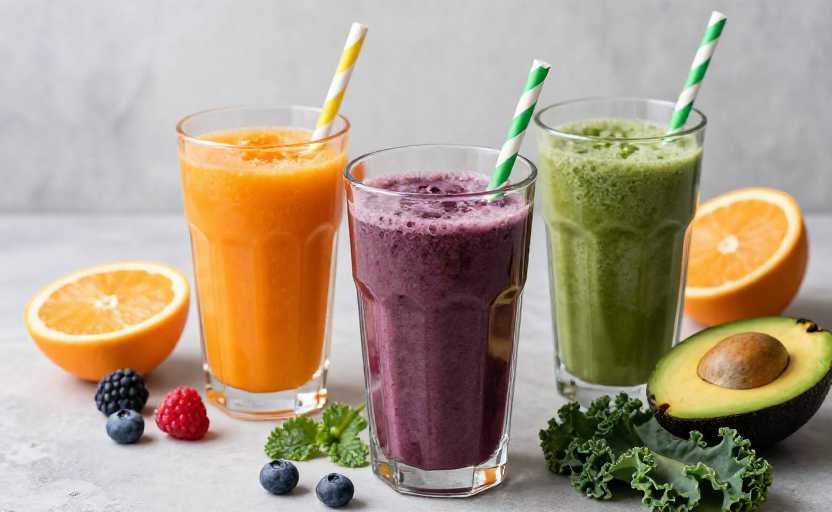
To be honest, don’t boast about the anti-inflammatory diet. It’s just an auxiliary. Wear a mask when you need it, and use anti-allergic medicine when you need it. Don’t force it on you. I also tried to follow the trend and drink so-called "anti-inflammatory fruit and vegetable juices". I drank three large glasses a day, which caused acid reflux. On the contrary, the gastrointestinal stress aggravated the inflammation and made me feel more uncomfortable. What is suitable for others may not be suitable for you. The best way is to keep a simple food diary. If you eat something on a day that makes your allergies worse, avoid it next time. It is more effective than any expert recommendation.
After I adjusted my diet last year, the most obvious feeling is that I no longer have to carry two packs of tissues with me when I go out. I don’t have to wear a mask the whole time when I go to the park and feel out of breath. I can only sneeze twice when the wind blows the catkins, and I won’t be itchy to the point of tears like before. In fact, you don’t need to make it so complicated. Just change your daily eating habits slightly, eat less sweet and processed foods, and eat more fresh and natural foods. You can feel much better during the allergy season. Why not?
Disclaimer:
1. This article is sourced from the Internet. All content represents the author's personal views only and does not reflect the stance of this website. The author shall be solely responsible for the content.
2. Part of the content on this website is compiled from the Internet. This website shall not be liable for any civil disputes, administrative penalties, or other losses arising from improper reprinting or citation.
3. If there is any infringing content or inappropriate material, please contact us to remove it immediately. Contact us at: