
Heart disease preventive medication
There is no "panacea" for preventing heart disease that is suitable for everyone. All preventive drugs must be based on individual cardiovascular disease risk stratification. Healthy people with no underlying diseases and low risk levels do not need to take any drugs to prevent heart disease.
I met a 32-year-old Internet programmer during a medical visit last Wednesday. The first thing he said when he walked in with the physical examination report in hand was, "The doctor prescribed two boxes of aspirin for me. I stayed up until two or three o'clock every day, fearing that I would have a heart attack one day." After reading his report, I put down the pen immediately: except for the low-density lipoprotein of 3.4mmol/L, which is marginally elevated, my blood pressure and blood sugar are all normal, I don’t smoke or drink, and I have no family history of premature cardiovascular disease. The 10-year risk of coronary heart disease is only 2.3%. There is no need to take medicine. I go back and replace my daily full-sugar milk tea with sugar-free one, and run 3 kilometers three days a week. It is more effective than any medicine.
Many people's misunderstanding about preventive medicine is that there is a unified "disease prevention list" and they can just buy it. In fact, this is not the case at all. Take the most familiar aspirin, for example. In the past few years, European and American guidelines have broadened its scope of application for primary prevention, and even recommended that people over 50 years old can take it regularly to prevent myocardial infarction. As a result, large-sample follow-up data came out and found that low-risk people took it, and the benefits of preventing myocardial infarction were not worth the benefits of gastric bleeding, cerebral infarction, etc. Regarding the risk of side effects of bleeding, the latest consensus in China and Europe and the United States has raised the threshold. Only people with a 10-year atherosclerotic cardiovascular disease (ASCVD) risk of ≥10% and no high-risk factors such as peptic ulcers and bleeding history will consider using aspirin for primary prevention. Of course, there are not without different opinions. Several directors of geriatrics that I know have encountered elderly people over 70 years old. Even if the risk assessment meets the standard, as long as they are already taking other anticoagulants, or have Helicobacter pylori infection that has not been cured, it is generally not recommended to take aspirin and give priority to controlling blood pressure and blood lipids, which is more secure. Oh, by the way, some people ask whether nitroglycerin can be taken as a preventive medicine. This is definitely not possible. It is used to dilate coronary arteries in emergency situations. Not only does it fail to prevent disease when taken regularly, but it may also cause drug resistance. It will be ineffective when emergency treatment is needed. Don't try it blindly.
Of course, most of the people who really need to take drug prevention have clear underlying diseases, such as patients with high blood pressure. Taking antihypertensive drugs on time is the most cost-effective way to prevent heart disease. Think about it, blood vessels are like the tap water pipes at home. If the water pressure exceeds the standard for a long time, sooner or later the pipe walls will be washed out and become pitted. When the blood lipids sink in, they will become plaques. When the plaques break and block the coronary arteries, it will be a myocardial infarction. Two months ago, I admitted a 48-year-old patient with high blood pressure for three years. I was afraid of being "dependent" on antihypertensive drugs. He drank celery water and soaked apocynum every day. His blood pressure was always around 150/95. Last time he stayed up late to watch football and had a myocardial infarction. Two stents were put in. The first thing he asked when he woke up was "How come I still have a heart attack if I drink celery water every day?" I heard that I was angry and helpless - I really have high blood pressure, and reliable antihypertensive drugs are more effective than any other folk remedies. Moreover, the side effects of commonly used antihypertensive drugs are well controlled. As long as you follow the doctor's advice, there will be no so-called "dependence" problem.
Another thing that everyone asks about the most is statins, which is quite controversial. Some people think that statins harm the liver and refuse to take them even if they don't take them. Some people regard statins as health supplements and eat a lot of them if their blood lipids are slightly higher. In fact, the current consensus in the academic community is that patients who have been diagnosed with coronary heart disease and cerebral infarction must take statins for a long time as long as their bodies can tolerate them to reduce their low-density lipoprotein to below 1.8mmol/L. This is a certainty. But if it is only used for primary prevention for undiagnosed people, it depends on the risk: for example, if your LDL has exceeded 4.9mmol/L, or you have diabetes, you must take it. But if it is only marginally elevated and there are no other high-risk factors, you can first adjust your diet and exercise for 3 to 6 months. If it cannot be reduced, you can consider taking medicine. Before I prescribe a statin to a patient, I usually ask whether he or she drinks alcohol and whether he or she has fatty liver disease. I will first check the liver function and creatine kinase before making a decision. After all, it is a preventive drug. First of all, it must be ensured that it is safe to take, right?
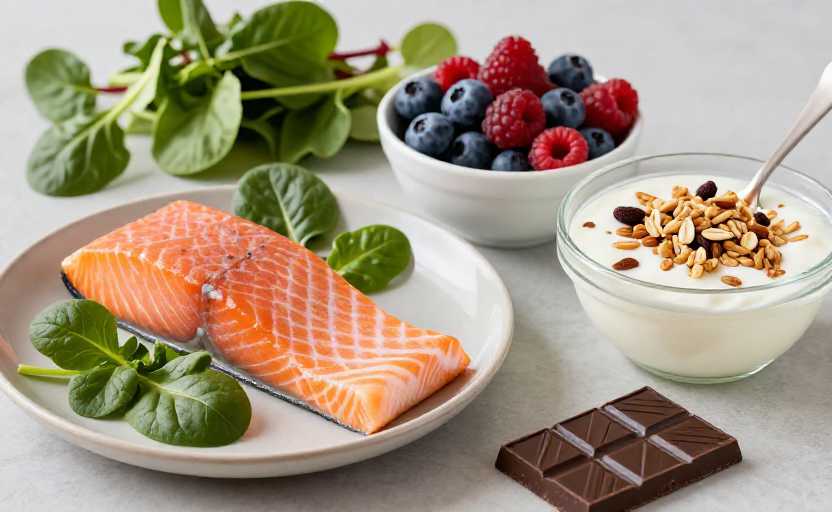
As for health products such as coenzyme Q10 and deep-sea fish oil that everyone often asks about, to be honest, they are much more controversial than prescription drugs. Let’s talk about Coenzyme Q10 first. The only scenario where it has been proven effective is to relieve muscle soreness caused by taking statins, or to provide auxiliary treatment for patients with myocarditis. Healthy people cannot prevent heart disease if they take it. I met a 62-year-old a while ago. My aunt who was 2 years old heard that Coenzyme Q10 can "protect the heart" in a health class, so she stopped taking her antihypertensive drugs and statins, and took 3 capsules of Coenzyme Q10 every day. As a result, she had a sudden cerebral infarction last month and was unable to move half of her body. It was really a pity. There is also deep-sea fish oil, which is Omega-3. The American Heart Association has previously recommended that patients who have been diagnosed with coronary heart disease can supplement with high-purity prescription-grade Omega-3. However, in recent years, several large-sample studies have shown that low-risk healthy people cannot reduce the risk of heart disease by eating ordinary health-grade fish oil. If they really need to supplement, eating steamed salmon twice a week will consume much more Omega-3 than if you eat fish oil that costs tens of dollars a bottle, and it is safer.
After staying in the clinic for a long time, you will find that many people come to me to prescribe preventive medicine. Essentially, they want to find a "cover" for their unhealthy lifestyle - staying up until two or three o'clock every day, eating takeaways heavy in oil and salt, smoking and drinking, hoping that taking two pills will prevent heart disease. How can there be such a good thing? If you really want to prevent heart disease, you must first adjust your living habits. If you really need to take medicine, don't blindly search for information and buy it blindly. Find a cardiologist who can calculate the risks for you and choose the medicine that suits you. This is better than anything else.
Disclaimer:
1. This article is sourced from the Internet. All content represents the author's personal views only and does not reflect the stance of this website. The author shall be solely responsible for the content.
2. Part of the content on this website is compiled from the Internet. This website shall not be liable for any civil disputes, administrative penalties, or other losses arising from improper reprinting or citation.
3. If there is any infringing content or inappropriate material, please contact us to remove it immediately. Contact us at:
