Dietary taboos for renal insufficiency
A daily salt intake of more than 3g should be stabilized, blindly high protein supplements/complete protein deprivation regardless of the stage of the disease, unlimited intake of high potassium and high phosphorus foods after renal function decompensation, and other taboos should be adjusted based on individual stage, blood potassium, blood phosphorus, and albumin indicators. Blindly copying the general list of taboos can easily drag down the body.
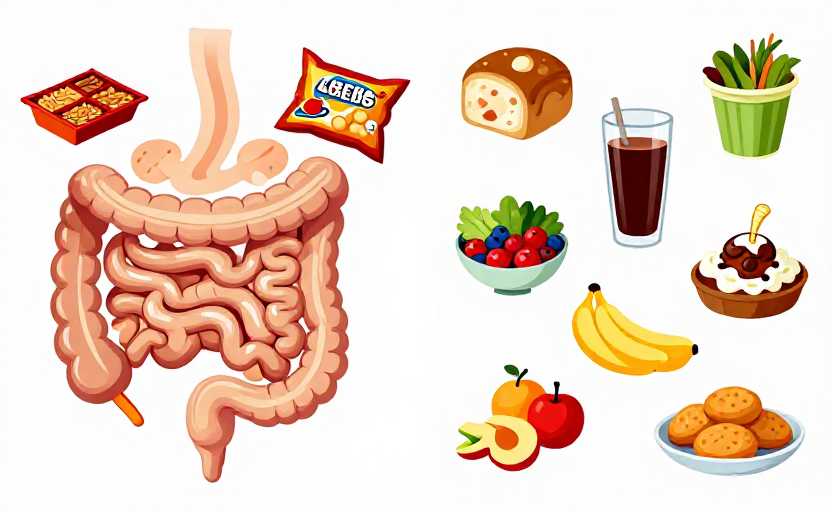
To be honest, I have been in the nutritional follow-up position in the Department of Nephrology for almost 5 years, and the biggest pitfall I have seen is that people listen to messy "health advice" and blindly follow up on foods. Last year I met Uncle Li, a 62-year-old man who was diagnosed with stage 3 chronic kidney disease. He heard from neighbors in the community that he should not touch protein if his kidneys were not good. He ate white porridge with pickled radish. After half a year, his face was so swollen that he could not open his eyes. The albumin was only 28g/L, and the creatinine increased by more than 20%. Here we have to talk about a controversy in the industry: the clinical consensus of the past 20 to 30 years indeed requires patients to strictly limit protein, and even reduce the intake to less than 0.6g/kg of body weight. The core purpose is to reduce the accumulation of metabolic waste and delay the progression of kidney disease. ; However, the guidelines of the International Society of Nephrology and Nutrition now recommend a "high-quality, low-protein" plan. Patients in stages 1-2 do not need to specifically limit protein at all. They just need to maintain a normal intake of 0.8-1.0g/kg of body weight. After stage 3, it will be reduced to 0.6-0.8g. If they have started regular dialysis, they should instead Protein intake is mentioned at 1.0-1.2g to avoid hypoalbuminemia aggravating edema. There is no absolute right or wrong between the two plans, but the old plan is adapted to the situation where nutritional supplements were insufficient in the past. Now there are nutritional supplements such as alpha-keto acid, which can completely reduce the burden on the kidneys while ensuring nutrition.
After talking about the protein issue that everyone is most entangled with, let’s talk about salt intake, which has the highest pitfall rate. There was a 28-year-old patient with membranous nephropathy who followed the doctor's advice to restrict salt very severely. He didn't even dare to add salt to the boiled vegetables. As a result, he still suffered from edema every day. Later, after careful questioning, I found out that he added a spoonful of chicken essence every time he cooked vegetables to make them fresh. The sodium content in 100g of chicken essence is close to 2000mg, which is almost equal to 5g of table salt. His intake of chicken essence in one day directly exceeded the standard. Many people's understanding of salt is still "put less salt in cooking". In fact, there are many pitfalls of invisible salt: salt is included in the ingredient list of soda crackers, noodles, and toast. The salt content of a serving of braised chicken is enough for you to eat for two days. Even many bottled mineral waters that are marketed as "healthy" are not low in sodium. Of course, there is no need to go overboard and go to the extreme to eat a salt-free diet. This is also a common controversial point: if you are often fatigued and dizzy, and your blood sodium concentration is found to be lower than the normal range, your doctor will ask you to eat less than half a cup of salt every day. Electrolyte imbalance caused by long-term low sodium is much more harmful than eating a little more salt occasionally.
As for the high-potassium and high-phosphorus foods that everyone is afraid of, there is really no need to blacklist bananas, oranges, and spinach as soon as kidney disease is detected. If you are a stage 1-2 patient, the glomerular filtration rate is still above 60ml/min, and the potassium excretion capacity of the kidneys is completely normal. As long as you don’t show off three to five pounds of bananas at a meal, it is completely fine to eat normally. Only after stage 3b, the filtration rate is lower than 30ml/mi. n, only when the ability to excrete potassium has declined, you need to pay attention to control the intake, and there are also flexible ways to deal with it: cutting vegetables and boiling them in water for 30 seconds can remove more than 70% of the potassium, and cutting potatoes into strips and soaking them for 2 hours can remove most of the potassium. There is no need to directly blacklist high-potassium vegetables. There is also the issue of phosphorus, which surprises many people: the human body absorption rate of organic phosphorus in natural foods is only about 30%. The real disaster area for kidney damage is the inorganic phosphorus in processed foods - phosphoric acid in cola, water-retaining agent in processed ham sausage, and leavening agent in pre-packaged cakes. The absorption rate of these artificially added inorganic phosphorus is almost 100%, which puts a much greater burden on the kidneys than natural foods. Don't think it's an exaggeration. I met a 19-year-old dialysis patient before. He was very careful about his meals and drank two bottles of iced Coke every day. His blood phosphorus was more than twice the standard. He was so itchy that he couldn't sleep all night. After giving up cola for half a month, his blood phosphorus dropped to the normal range.
There is another misunderstanding that has been circulating for decades: many people say that people with poor kidneys should not eat soy products. This is a legacy of old perceptions. In the past, everyone thought that plant proteins were non-high-quality proteins and contained a lot of metabolic waste. In fact, soy protein is a completely high-quality protein, and its amino acid pattern matches the needs of the human body very well. It is even lower than the saturated fat content of red meat, and is more friendly to kidney disease patients with high blood lipids. Current guidelines have long recommended that patients with kidney disease can eat soy products such as tofu and soy milk appropriately, as long as it is included in the total daily protein intake.
My biggest feeling after contacting thousands of patients is that many people either don't pay attention to taboos, but are too "obedient". They dare not eat anything after searching the general taboo list on the Internet. In the end, malnutrition reduces immunity, which in turn accelerates the progression of kidney disease. I really want to give you the most common "taboo". In fact, the most taboo is blind listening and blind obedience. Take your kidney function, electrolytes, and albumin report sheets for each review, and find a nephrology or clinical nutritionist to adjust a unique diet plan. It is more reliable than the universal fasting list on the Internet.
Disclaimer:
1. This article is sourced from the Internet. All content represents the author's personal views only and does not reflect the stance of this website. The author shall be solely responsible for the content.
2. Part of the content on this website is compiled from the Internet. This website shall not be liable for any civil disputes, administrative penalties, or other losses arising from improper reprinting or citation.
3. If there is any infringing content or inappropriate material, please contact us to remove it immediately. Contact us at: