Diet taboos for cancer patients
Undercooked fresh/cold unclean food, moldy and spoiled food, clear first-level carcinogens (tobacco and alcohol, betel nut, processed meat products, repeatedly fried oil, etc.), food that clearly conflicts with your current treatment plan and underlying diseases. The remaining food can be eaten in moderation as long as you don't feel any discomfort or cause abnormal indicators. There is no need to go hungry because of unwarranted "taboos".
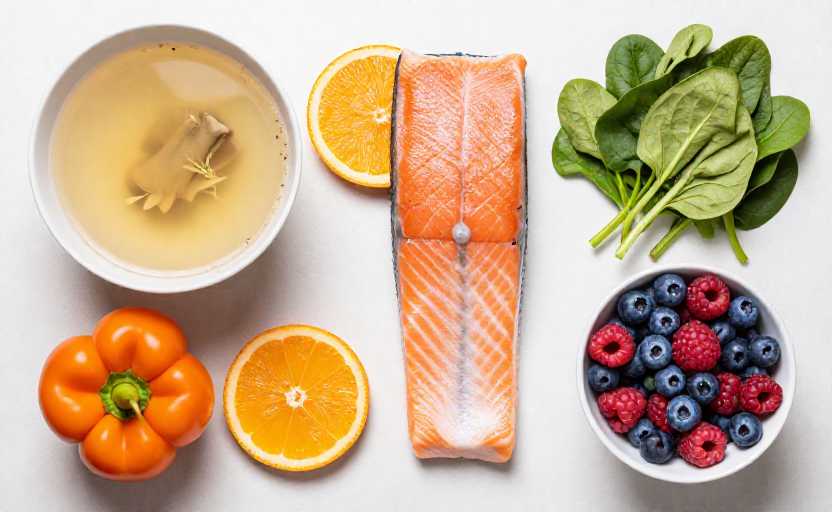
When I went out to the outpatient clinic last week, I met Aunt Zhang, who had just undergone radical surgery for lung cancer. Her family asked me if I should not touch eggs, beef, fish and shrimp in the future. She said that patients in the community told her that these are "fat substances" and eating them will lead to recurrence. When I entered the diagnosis and treatment room, I saw that my aunt still had two boxes of free-range eggs that she had just packed up from home and was about to throw away in her bag. She said she was afraid that if she ate them, all her previous efforts would be wasted.
Controversy over "fat foods" has actually been raging for many years. In the context of traditional Chinese medicine, "fat foods" actually refer to foods that are easy to induce allergies and aggravate sores and rash-like symptoms. For example, some people who are allergic to shrimp will indeed get rashes after eating them. Some Chinese medicine doctors also recommend that patients who are undergoing radiotherapy and chemotherapy and have severe oral ulcers or rashes temporarily avoid spicy and high-histamine seafood to avoid aggravating discomfort. But if we say that these foods will directly cause the recurrence and spread of cancer cells, there is absolutely no scientific basis - you have just had surgery, the wound needs to be long, and you need to maintain your immunity during chemotherapy. What you need most is high-quality protein from eggs, milk, fish, shrimp, and lean meat. If you don’t eat this, you won’t eat that. On the contrary, you will not be able to withstand the side effects of the treatment, and the risk of recurrence will be higher. The most exaggerated patient I have ever seen, he only drank millet porridge with vegetables for half a year after the operation. In the end, he was hospitalized due to severe malnutrition and hypoalbuminemia. The cancer cells did not recur, but he destroyed himself first.
Another popular myth is that "sugar will feed cancer cells", which means that you should completely abstain from all carbohydrates and sweets. Interestingly, the earliest source of this statement is the "Warburg effect" of cancer cells, which means that cancer cells do absorb glucose at a higher rate than normal cells, but this does not mean that you can starve cancer cells to death if you don't eat sugar. You must know that normal cells and immune cells in your body also need glucose for energy. If you really cut off sugar completely, your immune system will be the first to strike. Cancer cells may instead rely on decomposing your muscles and fat for energy, which is completely outweighing the gains. Of course, there are different voices. For example, supporters of the ketogenic diet believe that strict control of carbohydrates and high-fat dietary patterns can inhibit the growth of cancer cells. Current clinical research has indeed confirmed that in some patients with glioma, a ketogenic diet that has been strictly evaluated by doctors can serve as an adjuvant treatment. But this is definitely not a universal solution that applies to everyone. If ordinary patients blindly try ketosis on their own, they will most likely be like the breast cancer patient I met before. They lost 20 pounds in three months. In the second course of chemotherapy, they were forced to postpone treatment because their white blood cells were too low, which in turn delayed their condition.
To be honest, compared to worrying about whether you can eat beef or whether you can drink milk tea, these types of things should be avoided 100%. For example, patients who are undergoing chemotherapy and whose white blood cells are lower than the normal range, must not be greedy to eat sashimi, soft-boiled eggs, and bulk cold dishes on the street. These foods that are not thoroughly heated can easily contain salmonella and parasites. Ordinary people with normal immunity may have diarrhea in two days, but when your white blood cells are low, it is easy to develop sepsis, which may even be life-threatening. There are also nuts and fruits with moldy spots that have been stored at home for a long time. Even if you dig out the bad parts, you cannot eat them. The aflatoxin hidden inside is a clear first-level carcinogen. Normal people should avoid touching them, let alone cancer patients.
There are also some taboos that vary from person to person. You may be able to eat something that others cannot eat, and vice versa. For example, patients who take targeted drugs know to avoid grapefruit and star fruit, which will affect the activity of CYP3A4 enzymes in the liver, causing the metabolism of targeted drugs to slow down and blood drug concentrations to increase, which may lead to serious side effects. ; Patients taking oxaliplatin chemotherapy will trigger neurotoxicity if they touch ice. Even if they drink ice water, their hands and feet may be so numb that they can't hold chopsticks. They must not touch ice. ; If you are a diabetic patient, you must control your refined sugar intake. You cannot eat half a watermelon in one meal. Blood sugar will soar to more than ten, which will affect your recovery. The doctor will specifically explain these contraindications when you take the medicine. Just remember your own and there is no need to copy other people's taboos.
I have been in the oncology department for almost ten years, and I have seen too many patients living miserable lives, not daring to eat this or touch that, and swallowing boiled vegetables every day. On the contrary, those patients who have a good attitude and eat everything in moderation have fewer side effects of treatment and recover faster. In fact, to put it bluntly, having cancer is hard enough. After chemotherapy, my mouth feels bitter and I want to eat a bite of ice cream. When I lose my appetite, I want to drink two sips of soda Coke. As long as it is not eaten every day, what’s wrong with taking a small bite? It’s better than not being able to eat anything and losing weight quickly.
If you are really unsure about what you can and cannot eat, just remember the two simplest standards: either ask your medical doctor or nutritionist, or if you don’t feel uncomfortable after eating and the reexamination indicators are fine, then feel free to eat. Don’t be scared to eat by those messy “must-see taboo lists for cancer patients” on the Internet. Eating well and getting enough nutrition is the first priority to survive treatment.
Disclaimer:
1. This article is sourced from the Internet. All content represents the author's personal views only and does not reflect the stance of this website. The author shall be solely responsible for the content.
2. Part of the content on this website is compiled from the Internet. This website shall not be liable for any civil disputes, administrative penalties, or other losses arising from improper reprinting or citation.
3. If there is any infringing content or inappropriate material, please contact us to remove it immediately. Contact us at: