
Diet taboos for kidney stone patients
There is no universal list of foods that patients with kidney stones must not eat. The three core universal taboos are Drinking less than 2000ml of water per day, long-term high-sodium diet, and frequent large meals of a single high-oxalate/high-purine food , the rest of the taboos should be judged based on the composition of the stones and the body's metabolism. A one-size-fits-all taboo will not be worth the gain.
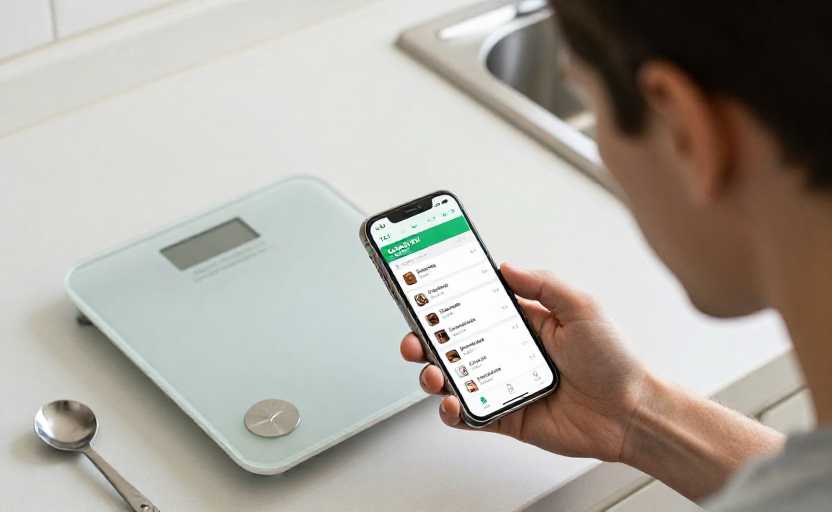
I just met a 28-year-old Internet operator in the clinic last week. Three months ago, he was rolling on the floor in pain due to a stone in his right kidney and had to undergo extracorporeal lithotripsy. At that time, he was told to drink more water and eat less salty food. However, this week he came in again with pain bent over and a 0.6cm new stone was found in his kidney. When asked if he had any dietary taboos during this period, he nodded like a rattle and said that he had not touched spinach, tofu, seafood, or beer, and even gave up his favorite strawberries. A 24-hour urine sample showed that the sodium content in his urine was more than three times the normal value. He ate takeout every day, and also drank pickled radish from the store with his meals, and drank less than a 500ml bottle of mineral water every day.
Many people don’t know that a high-sodium diet is the invisible culprit that promotes the formation of stones. When the kidneys excrete sodium when they eat too much sodium, they will also excrete calcium. When the calcium content in the urine is high, when combined with oxalic acid and phosphoric acid, will it be easy to form stones? Even if you give up all oxalate and purine, and eat pickled vegetables, soy sauce meat, and heavy food takeout every day, you will still gain weight.
Besides, tofu, which has been scolded for many years, is actually quite controversial in the clinical community now: the old school of thought believes that soybeans are high in oxalic acid and should not be touched by stone patients.; However, in recent years, follow-up data from the Department of Urology of Peking University Third Hospital and Union Medical College have shown that most of the oxalic acid has been filtered out of ordinary brine tofu and gypsum tofu during the production process, and the rich calcium can combine with the oxalic acid in food in the intestines to form unabsorbed calcium oxalate, which is directly excreted with the feces. On the contrary, it can reduce the concentration of oxalic acid in the urine. There is no problem if you eat it in moderation. What you really need to avoid is Thousand-Yellow Tofu, Japanese Tofu with a lot of salt and coagulant, and thick soy milk without filter residue, which are really high in oxalic acid and sodium.
Of course, this does not mean that all foods are taboo. If you have been diagnosed with calcium oxalate stones (this is the type of stones that 80% of people have), then you should not eat spinach mixed with pork liver, thick spinach soup, rhubarb rice dumplings and other super high oxalic acid combinations. It does not mean that you will develop stones after just one bite. Blanch the spinach for 1 minute before eating, which can remove more than 60% of the oxalic acid. It is no problem to eat half a plate. If you have uric acid stones, you must be careful about high-purine foods such as animal offal, thick broth, and beer. Otherwise, the uric acid cannot be reduced and the stones will only grow again and again. If you have rare magnesium ammonium phosphate stones, you don’t need to worry too much about oxalate and purine in your diet. The most important thing to treat first is repeated urinary tract infections. The key is to drink less high-sugar carbonated drinks.
A 62-year-old patient I cared for previously had to have a stone fracture every year for three consecutive years. Later, he stopped eating and did two things: First, he carried a 1.5L thermos cup with him and drank two cups every day. In summer, when he sweats a lot, he drinks an extra half cup.; Second, make an appointment with your family to add half the salt when cooking, and only eat a maximum of two bites of pickled vegetables and sauced meat during New Years and holidays. It's been almost 3 years now, and the B-ultrasound did not show even a small crystal. His body is stronger than when he didn't dare to eat this way and that way.
There is also a saying that has been circulating for many years that stone patients should eat less calcium. This view is now being overturned: the current mainstream clinical view is that as long as you are not a patient with idiopathic hypercalciuria, drinking milk and eating tofu as a supplement of calcium can prevent stones. What you really need to avoid is taking large doses of calcium supplements, which will suddenly increase urinary calcium and increase the risk of stones.
In fact, there are really not so many alarmist taboos. Kidney stones are like the scale in your kettle at home. If you fill enough water every day and flush it in time, the small crystals will be flushed out before they have time to grow up. It is much more useful than worrying about whether you can eat a bite of strawberry or a bite of tofu. If you are really craving for a meal of crayfish or a plate of cold spinach, you won't develop stones on the spot. Don't scare yourself and make it difficult to eat. It's unnecessary. Of course, if you have suffered from stones several times, it is still recommended to keep a stone sample for composition analysis, which is more useful than searching a hundred taboo lists online.
Disclaimer:
1. This article is sourced from the Internet. All content represents the author's personal views only and does not reflect the stance of this website. The author shall be solely responsible for the content.
2. Part of the content on this website is compiled from the Internet. This website shall not be liable for any civil disputes, administrative penalties, or other losses arising from improper reprinting or citation.
3. If there is any infringing content or inappropriate material, please contact us to remove it immediately. Contact us at:
