Diet taboos for uremia
Strictly avoid excessive intake of high potassium, high phosphorus, and high sodium. Protein intake needs to be accurately adjusted according to whether or not to undergo dialysis and the frequency of dialysis. There are no foods that must not be eaten. All taboos must be dynamically adjusted based on individual conditions.
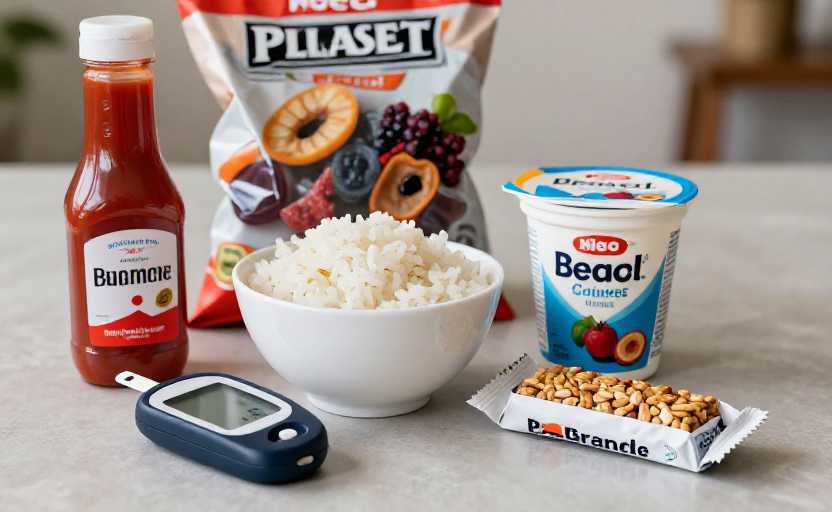
Don’t believe it. When I was helping the head nurse of the nephrology department to sort out the follow-up data, I met Lao Zhou, who had just been undergoing dialysis for half a year. His indicators were usually very stable. That year when winter jujubes came on the market, he was so greedy that he drank less than half a kilogram. That night, he felt tightness in his chest and numbness in his hands and feet. When he was sent to the emergency department, he found that his blood potassium spiked to 6.8mmol/L. He immediately arranged for emergency treatment to lower the potassium. After he recovered, he was scared - he almost died after taking a few mouthfuls of winter jujubes.
High potassium can be regarded as the most dangerous "invisible killer" for patients with uremia. Excessive intake can easily cause arrhythmia or even cardiac arrest. Interestingly, the diagnosis and treatment guidelines in different regions have quite different limits on potassium: Mainstream nephrology departments in China generally recommend strict daily potassium restriction. Try to choose low-potassium varieties of fruits and vegetables. High-potassium ingredients must be boiled for 30 seconds to remove potassium before eating. ; However, the guidelines of many dialysis centers in Europe and the United States have mentioned that as long as you maintain regular dialysis three times a week and your blood potassium is stable within the normal range of 4-5.5mmol/L, it is okay to occasionally eat a few bites of high-potassium fruits to satisfy your cravings. As long as you pay attention to the monitoring indicators after eating, you don't need to be too harsh on yourself.
Speaking of easy pitfalls, the "invisible assassin" in high-phosphorus foods is the culprit for many people's abnormal indicators. Many patients know to eat less high-phosphorus foods such as animal offal and seafood, but few people pay attention to the inorganic phosphorus in processed foods - the non-dairy creamer in milk tea, the water-retaining agent in ham, and the additives in carbonated drinks such as cola. The absorption rate of these inorganic phosphorus can reach more than 90%, which is much harder to excrete than the organic phosphorus in meat. Some patients have asked before, if I take two more phosphorus binders, can I take them as I want? At present, there is no unified conclusion in the industry: some doctors believe that phosphorus binders can only offset part of the absorption of phosphorus. Even if you take enough medicine after a long-term high-phosphorus diet, you cannot avoid the problems of secondary hyperparathyroidism, vascular calcification, and skin itching. ; The latest research also suggests that as long as the dosage of phosphate binders is dynamically adjusted according to dietary intake and dietary restrictions are appropriately relaxed, the probability of malnutrition can be reduced and the quality of life of patients can be improved.
There is also the issue of high sodium that many people tend to overlook. Essentially, the sodium limit is to control water. An old man from Northeast China who was followed up last year eats pickled radish every meal, and also likes to nibble on salted melon seeds. His dry weight is 58 kilograms. He loses 4 kilograms of water every time he undergoes dialysis. His blood pressure fluctuates around 180/100mmHg all year round. He is hospitalized for heart failure every now and then. In fact, he either didn't know that he should eat less salt, or he felt that he couldn't eat light rice. Later, he replaced the pickled radish with fresh shredded radish mixed with a small amount of light soy sauce and sesame oil. He only picked up one chopstick at a time, which gradually reduced his sodium intake. Now the dehydration is controlled within 2 kilograms each time, and his overall mental state has improved a lot.
The controversy about protein intake is even greater. Many old patients still stay in the old concept of "uremia requires absolutely low protein". They eat plain porridge with vegetables, and in the end they lose weight to only a handful of bones, and their immunity is extremely poor. The current guidelines have long been adjusted: CKD stage 5 patients who have not yet started dialysis must eat a low-protein diet to avoid increasing the burden on the kidneys. ; However, patients who have been undergoing regular dialysis should eat enough high-quality protein, 1.0-1.2g of eggs, milk, and lean meat per kilogram of body weight every day. Otherwise, they are prone to malnutrition, which will affect their survival. In the past, everyone thought that soy products were a taboo for uremia, but now the mainstream view has been relaxed. The high-quality protein of soybeans has a lower phosphorus absorption rate than animal protein. As long as the amount is controlled, it is perfectly fine to eat about 100g of tofu a day. Patients undergoing conservative treatment can reduce the amount appropriately.
I have compiled more than 30 follow-up records of dialysis patients who have been on dialysis for more than 10 years. I found that those with stable indicators and long survival periods are not the kind who are completely taboo and dare not eat anything, nor are they those who eat haphazard food. They can "flexibly adjust": high-potassium vegetables can be boiled and then stir-fried, and 30%-50% of the potassium can be removed.; If you really want to eat fruit, cut it into small pieces and soak it in warm water for half an hour. It will also release a lot of potassium. ; Never touch vegetable soup or hot pot soup. The potassium, phosphorus and sodium dissolved in them are much higher than the ingredients themselves. ; If you are greedy, eat half a piece of cake and a mouthful of braised meat. Next time you have your dialysis index checked, if there is no problem, you can eat two more bites next time. There is no need to worry about one bite for half a day.
In the final analysis, dietary taboos are never shackles for patients, but a tool to help you stabilize your goals and live a good life. Everyone's dialysis frequency and residual renal function are different. What is suitable for others may not be suitable for you. Communicate more with your own doctor and monitor indicators frequently, which is much more effective than following a one-size-fits-all list online.
Disclaimer:
1. This article is sourced from the Internet. All content represents the author's personal views only and does not reflect the stance of this website. The author shall be solely responsible for the content.
2. Part of the content on this website is compiled from the Internet. This website shall not be liable for any civil disputes, administrative penalties, or other losses arising from improper reprinting or citation.
3. If there is any infringing content or inappropriate material, please contact us to remove it immediately. Contact us at: