Hemangioma dietary taboos
It is clear that foods/supplements containing high estrogenic activity, highly stimulating and highly allergenic foods during the treatment window period, and high-sugar, high-oil, pro-inflammatory foods that are consumed in large quantities over a long period of time, and most of the other so-called "food taboos" do not have a unified evidence base, so there is no need to blindly follow the trend of taboos.
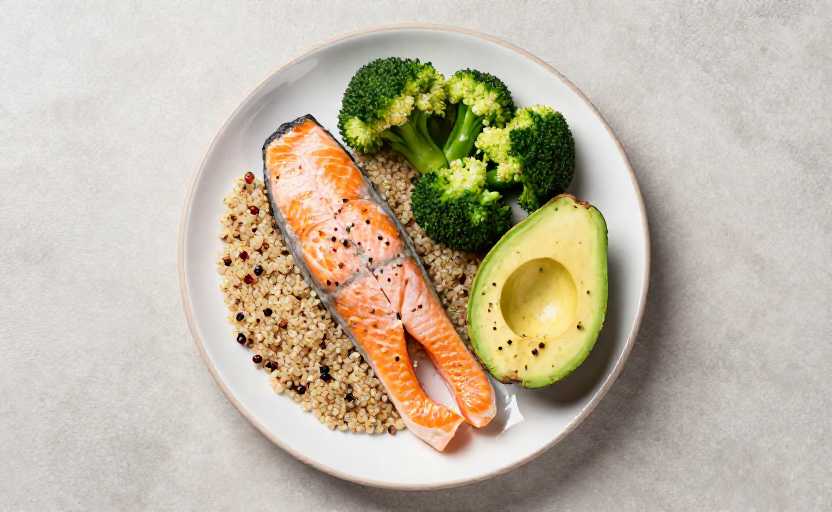
To be honest, I have seen too many patients in my outpatient clinic who were tricked by rumors. Not long ago, there was a 28-year-old mother who had a 3cm hepatic hemangioma during a physical examination after giving birth. She heard from neighbors in the community that "tumors should be avoided." She didn't dare to touch beef, mutton, seafood, or even eggs for two months. She only dared to eat egg whites. During the reexamination, the tumor did not become smaller. Instead, she fainted due to anemia. She was so thin that she couldn't even hang her previous pants.
What’s interesting is that Chinese and Western medicine do have different judgment standards regarding the “food taboos”. Western medicine generally believes that hemangiomas are essentially abnormal proliferation of vascular endothelial cells or congenital vascular malformations. Most of them have very little connection with normal diet after entering the stable phase. Unless they are being treated or in the proliferative phase, there is no need for additional restrictions. Some schools of traditional Chinese medicine classify hemangioma as a disease of "blood stasis, dampness and heat". They believe that if patients with a damp-heat constitution eat a large amount of warm and dry foods such as mutton and lychees for a long time, it may aggravate the constitution and indirectly stimulate the tumor. However, there has never been a saying that "it cannot be touched at all", and patients are not required to avoid even ordinary pork and tofu.
The only dietary taboo related to high estrogen is recognized by all clinical schools to pay attention to. There was a 19-year-old girl who had a strawberry-shaped hemangioma the size of a mung bean on her face. She bought a famous brand of anti-sugar pills to eliminate acne and fight sugar. She took it every day. Within half a year, the tumor grew to the size of her little fingernail. After she stopped taking supplements, it gradually stabilized. That’s not to say that all supplements should be avoided. They are the kind of products with unknown origins that boast of “delaying aging, whitening and regulating menstruation”. Many of them secretly add exogenous estrogen, as well as ingredients with high estrogenic activity such as snow clams and royal jelly. It’s okay to try them once in a while, but don’t use them as supplements every day. Especially proliferative hemangiomas in infants and young children, and breast/liver hemangioma in women of childbearing age, are more sensitive to estrogen, so avoid them if you can. By the way, emergency contraceptive pills should be used as little as possible, as they are also an important source of exogenous estrogen.
As for spicy and highly allergenic foods, they are not taboo at all times. If you have just had a pulse dye laser, had a sclerotherapy, or had a tumor removed, and the wound is still recovering, and the blood vessels are already in a state of expansion, you go to eat spicy hot pot or touch mango or crayfish that you are allergic to. The swelling may be so swollen that even your mother cannot recognize it, or it may burst and cause blisters and discoloration. I met a high school kid last year who secretly ate spicy kebabs and crayfish the day after the laser. The red marks that were supposed to disappear in a week took less than half a year to fade. But if you are not in the treatment period and don't have any reaction from eating spicy food or seafood, then you can eat what you should. There is no need to torture your mouth for a benign tumor.
Another point that many people ignore is the impact of a long-term diet high in sugar and oil. There used to be a 26-year-old young man with a 2cm liver hemangioma. He ate milk tea and fried chicken every day and gained 30 pounds in half a year. During the follow-up examination, the tumor directly increased to 4cm. Later, he followed the advice and controlled his diet and lost 20 pounds. After the follow-up check-up, it has not grown again. That’s not to say that you shouldn’t touch even one bite of milk tea fried chicken, but don’t eat it as a meal for a long time. The inflammatory factors in your body are too high, not to mention hemangioma, and it won’t be good for any physical problems.
To be honest, the most unnecessary taboos are those unfounded taboos, such as not eating soy sauce for fear of leaving scars, not eating tofu for fear of developing hair, and not eating eggs for fear of supporting tumors. Last month, I met a 62-year-old man who had a 3cm liver hemangioma. He was told to avoid food that would cause hair loss, and he didn’t even dare to touch soy products. In the end, he fell due to malnutrition and fractured his body, so he was hospitalized for a week. I really couldn’t do it.
What I usually tell my patients the most is that most hemangiomas are benign, and many people will have no impact if they live with them throughout their lives. There is really no need to be crazy about your diet. There are two principles: first, don’t take estrogen supplements of unknown origin; second, if you feel the tumor is swollen or painful after eating anything, don’t touch it next time. The rest will be happy as long as you are happy. Regular review every six months to a year is enough.
Disclaimer:
1. This article is sourced from the Internet. All content represents the author's personal views only and does not reflect the stance of this website. The author shall be solely responsible for the content.
2. Part of the content on this website is compiled from the Internet. This website shall not be liable for any civil disputes, administrative penalties, or other losses arising from improper reprinting or citation.
3. If there is any infringing content or inappropriate material, please contact us to remove it immediately. Contact us at: