Diet taboos for diabetics
The first is the long-term uncontrolled intake of high-sugar, high-fat, and high-salt foods; the second is the arbitrary eating that ignores one's own blood sugar response and does not control the total calories.
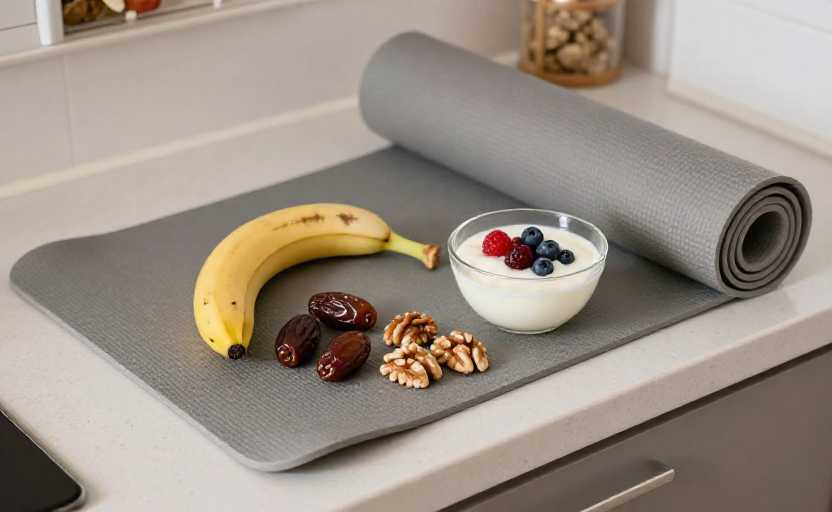
I have seen too many people interpret the dietary taboos for diabetes as a "fasting list", but in fact they are completely wrong. A while ago, I met two old diabetes friends when I was doing science popularization in the community. Aunt Zhang was diagnosed half a year ago. She only dared to eat half a bowl of white rice and didn't dare to touch an apple. Last month, she fainted due to low blood sugar on the way to buy food. ; Another uncle, Li, was even more extreme. He felt that he took insulin anyway, ate braised pork with iced Coke, and was hospitalized after his blood sugar spiked to 22 last month. Both of these were traps of "extreme cognition."
Speaking of which, there are actually two mainstream views in the sugar control circle. There is no absolute right or wrong, but it is only applicable to different groups of people. Most nutritionists of the older generation prefer the "strict sugar restriction" approach: Refined sugar, refined rice noodles, and high glycemic index (GI) foods should be avoided as little as possible, or even not eaten at all. This approach is especially suitable for patients who have just been diagnosed and have particularly large blood sugar fluctuations. After all, stabilizing blood sugar and avoiding acute risks is the first priority. In recent years, more and more young doctors are recommending a "glycemic load (GL)" oriented diet. To put it simply, it depends not only on whether the food raises blood sugar quickly, but also on the total amount of carbohydrates you eat. As long as you calculate the total calories and deduct the corresponding proportion of staple food, even if you occasionally eat a bite of cake or drink half a cup of milk tea, your blood sugar will not fluctuate greatly. This idea is more suitable for older patients who have stable blood sugar and have some experience in sugar control. It can greatly improve the quality of life and do not have to live a miserable life every day.
Speaking of which, I have to mention a few controversial points that people ask the most. There is really no unified answer. It all depends on your body's reaction. For example, many people say that people with diabetes must not eat fruit. Among the people with diabetes I have met, some people eat half a kiwi every day and their blood sugar is very stable. Some people take a bite of lychee and their blood sugar soars to 12. In fact, you only need to choose low GI varieties (such as strawberries, grapefruits, apples), eat them between meals, and control them within 100g each time. Test your blood sugar 2 hours after eating to find out your tolerance. It is much more reliable than hearing what the Internet says you can’t eat.
Another thing that is most unfairly scolded is porridge. Many people say that porridge is the natural enemy of sugar lovers, but it actually depends on what kind of porridge it is. The kind of white porridge that has been simmered for two or three hours and the rice is pulpy. The GI can reach over 80, which is not much different from drinking sugar water. It is really not suitable to drink too much. ; But if it is a multigrain porridge made with half mixed beans and half brown rice, and the boiling time is no more than 40 minutes, and when you drink it with a plate of stir-fried spinach and a boiled egg, the fluctuations in blood sugar after the meal will be even smaller than eating pure white rice.
In addition to these common food misunderstandings, there is another trap that many people step on: "sugar-free foods". A while ago, a big brother came to me to complain, saying that he was eating sugar-free biscuits every day, and his blood sugar was getting higher and higher. I took a look at the ingredient list, and the first one was wheat flour, the second one was palm oil, and a bunch of maltodextrin was added, but no sucrose was added. The calories are higher than ordinary biscuits, so it’s strange that they don’t raise sugar levels after eating them. There are also those "sugar-reducing rice" and "sugar-reducing tea" that are so popular. To be honest, the country has not approved the category of "sugar-reducing food" at all. They all charge IQ taxes, so don't believe it.
To be honest, I have talked to many old sugar lovers who have been controlling sugar for more than ten or twenty years, and they will not stick to the taboo list on the Internet at all. Most people have a small notebook. Every time they eat something new that they have never tried, they write it down, measure their post-meal blood sugar, and gradually figure out their own body patterns: some people are fine if they eat two taels of rice, some people can rise after eating one or two taels of rice, some people can drink half a cup of milk tea, and some people faint after taking one sip of milk tea. There are huge individual differences.
Controlling sugar is actually like driving. You can’t never stay on the road because you’re afraid of crashing, and you can’t just ignore the traffic lights and run rampant. In the final analysis, the most "forbidden" thing is never a specific food, but either the anxious mentality of not daring to eat anything and starving to the point of malnutrition, or the indifferent mentality of not being afraid of eating anything and damaging the body. Touching your body's regular patterns is more effective than any uniform taboo list.
Disclaimer:
1. This article is sourced from the Internet. All content represents the author's personal views only and does not reflect the stance of this website. The author shall be solely responsible for the content.
2. Part of the content on this website is compiled from the Internet. This website shall not be liable for any civil disputes, administrative penalties, or other losses arising from improper reprinting or citation.
3. If there is any infringing content or inappropriate material, please contact us to remove it immediately. Contact us at: