High blood pressure preventive measures
Based on long-term sustainable lifestyle intervention, high-risk groups are prioritized for regular screening and monitoring, and stratified adjustments are made based on personal physical characteristics. There is no need to pursue extremely demanding health guidelines. Measures that can be adhered to for a long time are the most effective.
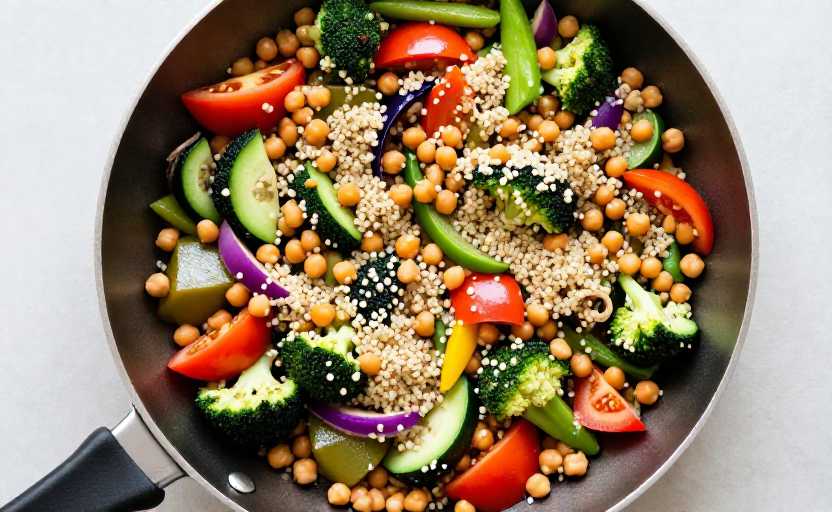
Last week, I met a 32-year-old programmer at a community free clinic. He weighed 180 pounds. After working on a project for three days, his head swelled badly. His blood pressure was 145/95. He waved his hand and said that he was young and that he could just stay for two days less. He didn't take it seriously at all. I have seen too many similar situations in outpatient clinics. Many people still believe in the stereotype of "just eat something light" when it comes to preventing high blood pressure. Many people even think that this is a "senile disease" and they are not responsible for it.
When it comes to salt control, academic circles have been holding different views recently: traditional prevention guidelines recommend that daily sodium intake should not exceed 5 grams. However, in recent years, more and more studies have shown that the salt sensitivity of different groups of people varies greatly. The proportion of salt sensitivity in people with a family history of hypertension is more than 30% higher than that in the general population. For the same person who eats 7 grams of salt, the blood pressure of ordinary people may not fluctuate, and the systolic blood pressure of salt-sensitive people may directly increase by 3-5mmHg. Therefore, some scholars have suggested that there is no need to set a unified red line for salt control for everyone. High-risk groups should strictly limit salt. As long as the general population does not eat pickles and drink heavy soups all the time, they do not need to deliberately make the meals so bland that they are difficult to swallow. On the contrary, it is easy for ordinary people to not persist. Hey, don’t think that only pickles are salty. Many people ignore the invisible salt that is the hardest hit: a spoonful of soy sauce contains more than 1 gram of sodium. The sodium content of takeout soup bases, processed meats, and even the electrolyte water you drink after exercise is not low. If you really want to control salt, it is better to start by ordering less heavy takeout and eating less processed foods. It is much more practical than sticking to the 5g figure.
A patient argued with me before, saying that his friend eats bacon every day, runs five kilometers a day, and his blood pressure has always been normal. Does it mean that as long as he exercises properly, it doesn't matter what he eats? In fact, these are two very common views at present: one group believes that dietary intervention is the core of preventing hypertension, and the other group believes that weight management and exercise play a greater role. Judging from the evidence-based evidence, the weights of the two are almost the same. For people who are overweight, losing 10 pounds can reduce systolic blood pressure by 5-8mmHg, which is no worse than taking half a tablet of antihypertensive drugs. When it comes to exercise, you don’t have to force yourself to run five kilometers every day. Traditional guidelines previously recommended 150 minutes of moderate-intensity aerobic exercise per week. However, a new study published by The Lancet last year also showed that even fragmented activities, such as standing up and walking for 5 minutes every hour, can reduce the risk of hypertension by 8% cumulatively every day. For example, I had a patient before who had a bad knee and couldn't run. He walked with his dog for 40 minutes every day after dinner. He lost 15 pounds in half a year, and his blood pressure returned from 148/92 to 130/80. The effect was no worse than running laps.
In addition to life adjustments, there is another point that many people ignore: screening. I’ve seen too many people wait until they feel dizzy and have a headache and can’t stand before taking a blood pressure test. As soon as they find out, they already have second-level hypertension, and even target organ damage has occurred. Especially for high-risk groups with a family history, staying up late for a long time, and being overweight, you really should not wait until you have symptoms before you think of measuring your blood pressure. It is best to measure 1-2 times a week. Here is a little experience I have summarized: Many people only measure blood pressure on an empty stomach in the morning. In fact, for young people who often stay up late and are stressed, blood pressure peaks between 2 and 4 pm. Measurement during this time is easier to detect latent hypertension and is much more accurate than measuring only in the morning.
As for the most frequently asked question, "Can eating health supplements prevent high blood pressure?", there is currently no unified conclusion in the academic community: There is currently no evidence that the consumption of products such as deep-sea fish oil and lecithin can reduce the risk of hypertension for the general population. However, for people with abnormal blood lipids, supplementing with high-purity Omega-3 does have a certain auxiliary regulatory effect.; Some people say that drinking eucommia tea and taking antihypertensive pillows are useful. There are great individual differences in these folk remedies. Some people can actually lower their blood pressure a little bit after using them, while some people use them even if they are not effective at all. Do not use these remedies as a substitute for lifestyle adjustments and formal screening, otherwise it will easily delay things.
In fact, after all, the prevention of high blood pressure is really not something that requires you to spend a lot of money or put in a lot of effort. You don’t have to eat boiled vegetables every meal, and you don’t have to force yourself to run five kilometers every day. Finding small habits that you can stick to for a long time is better than anything else. After all, we are preventing high blood pressure, not being a perfect health model, right?
Disclaimer:
1. This article is sourced from the Internet. All content represents the author's personal views only and does not reflect the stance of this website. The author shall be solely responsible for the content.
2. Part of the content on this website is compiled from the Internet. This website shall not be liable for any civil disputes, administrative penalties, or other losses arising from improper reprinting or citation.
3. If there is any infringing content or inappropriate material, please contact us to remove it immediately. Contact us at: