A complete recipe of nutritional porridge for the elderly
It is enough to grasp the four principles of "soft, light, complete and suitable" - soft means cooking until soft and easy to chew without getting stuck in the throat; light means less salt, less sugar and less additives; all try to cover a variety of nutrients such as miscellaneous grains, vegetables, high-quality protein and so on; suitable means to adapt to the elderly's own chronic diseases and taste preferences. Below, we will first introduce 4 common practices that are suitable for most ordinary healthy elderly people and have been well received by personal tests, and then explain the adjustment ideas for different physical conditions together.
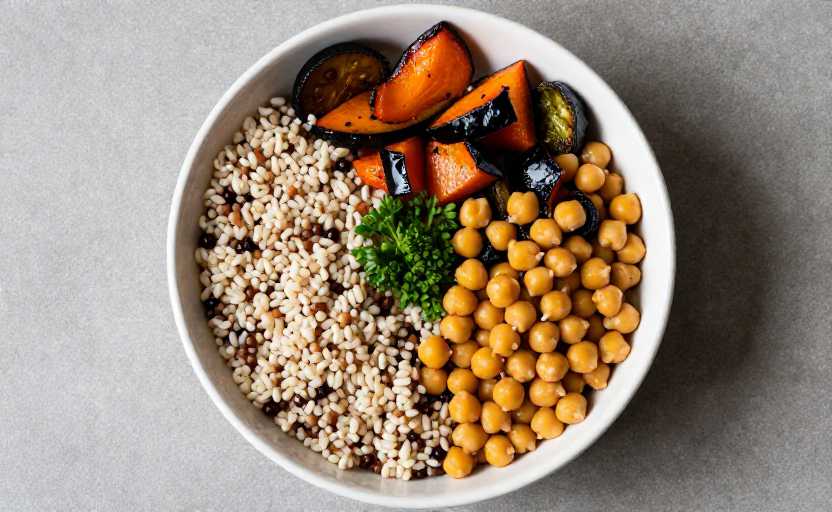
My elderly family member is 78 years old. He has bad teeth and slightly high blood sugar. He drinks millet, yam and quinoa porridge at least three times a week. The recipe is really not complicated: 30g of millet, 15g of white quinoa, 50g of peeled and diced yam. , clean it and throw away the electric pressure cooker, add 400ml of water, and select the porridge cooking mode. You don’t need to add sugar after cooking. The fragrance of yam and quinoa is enough. If you like it softer, simmer it for 10 minutes longer. There is no pressure at all when chewing. One thing to mention here is that there have always been two different opinions. One group thinks that porridge for the elderly should be made entirely of polished rice for easy digestion, and the other group thinks that it is necessary to add miscellaneous grains to control blood sugar. I specifically asked my friends in the nutrition department. As long as it is not a serious gastric ulcer or irritable bowel syndrome, add 1/3 of miscellaneous grains and cook it until it is soft enough. The glycemic index is more than half that of pure white rice porridge. It can also supplement B vitamins, which is more suitable for most elderly people.
Speaking of which, I have been in trouble before. I thought that when cooking porridge for the elderly, the more refined the better, the porridge was cooked with white rice until it was very thin. As a result, my elderly family members became hungry soon after finishing the porridge, and their blood sugar levels rose rapidly. Later, I slowly adjusted the proportion of grains. Last time I went to a community to volunteer for elderly care, I met several aunties with high blood pressure. They said that the porridge always felt tasteless and they were worried about excessive salt. Later, we made a recipe for mushroom and vegetable porridge. Now that they have broken up from the square dance, they often cook it together. The method is also simple: soak 2 dried shiitake mushrooms in advance and cut into thin strips, blanch 2 Shanghai greens and chop them in water, 30g of germ rice, 10g of oatmeal, cook the rice until it blooms, throw in shredded shiitake mushrooms and cook for 5 minutes, finally add chopped green vegetables and add 1g of low-sodium salt and stir twice. It is so fresh that you don’t even need to add chicken essence. Some bloggers have previously said that cooking vegetables in porridge will cause vitamin loss. In fact, as long as the final cooking time does not exceed 1 minute, the loss rate is less than 10%. It is much better than the elderly who lack vitamins because they do not like to eat vegetables. There is no need to worry too much about the loss. If you are an elderly person with gout, don't add shiitake mushrooms. Just replace them with diced carrots or sweet corn kernels. They are low in purine and still sweet.
My best friend’s mother just had a colorectal surgery and she has a poor appetite and can’t eat hard food. One of the recipes prescribed by the nutritionist includes shredded chicken and yam porridge. I have followed it twice and it is really delicious: put a small piece of chicken breast into a pot with cold water and add ginger slices and cook for 10 minutes. 10 minutes, tear it into thin shreds, the better. Boil 40g of germ rice until soft and rotten. Add 50g of diced yam and cook for 10 minutes. Throw in the shredded chicken and cook for another 3 minutes. Sprinkle some chopped green onion and add a little light soy sauce to enhance the flavor. The protein is enough and it is easy to digest. If you have particularly bad teeth, you can break the cooked porridge in half with a food supplement machine and drink it effortlessly. Be careful here. If you are an elderly person with renal insufficiency, don’t add too much chicken breast. Different doctors have slightly different recommendations regarding the specific intake. Elderly people with high creatinine are best to ask their follow-up doctor before adjusting the amount of meat. Don’t blindly follow the online prescriptions to increase the amount.
When the weather is dry in autumn and winter, my family often cooks white fungus, lily and lotus seed porridge, but the version made for the elderly needs to be modified: soak the white fungus for 4 hours in advance and tear it into smaller pieces, remove the core of the lotus seeds in advance, and wash the fresh lily and break it into small petals. , cook it with 20g of glutinous rice and 15g of millet until the white fungus comes out of the glue. No need to add sugar. If you like it sweet, just add 2 pitted red dates. It can moisturize the lungs and relieve constipation. It is much more effective than drinking those throat health products. Oh, yes, if you are an elderly person with diabetes, add less glutinous rice and replace it with brown rice. Don’t add red dates. Just drink the original flavor. It will not raise blood sugar quickly.
Many people like to add baking soda to make porridge for the elderly to make it sticky and glutinous. This is really not recommended. Baking soda will destroy the B vitamins in the porridge. If you want it to be thicker, cook it for a while longer, or soak the rice for half an hour in advance. Don’t cook the porridge too thinly. The nutritional density of too thin porridge is too low. Two large bowls are not as useful as a small bowl of thick porridge, unless you have just had surgery and can only eat liquid food.
In fact, to put it bluntly, there is no 100% perfect "all-in-one" recipe. Every elderly family has different physical conditions and taste preferences. The recipes I gave have been modified many times to suit their own family. For example, my elderly people don't like to eat mushrooms, so I often replace them with diced sweet corn. My best friend's mother doesn't like to eat green onions. When cooking shredded chicken porridge, I use a little white pepper to enhance the flavor. As long as the general principle is not deviated, the elderly people like to drink it and feel comfortable after drinking it, and it will work better than any standard recipe.
Disclaimer:
1. This article is sourced from the Internet. All content represents the author's personal views only and does not reflect the stance of this website. The author shall be solely responsible for the content.
2. Part of the content on this website is compiled from the Internet. This website shall not be liable for any civil disputes, administrative penalties, or other losses arising from improper reprinting or citation.
3. If there is any infringing content or inappropriate material, please contact us to remove it immediately. Contact us at: