Diet taboos for diabetics
The core dietary taboo for diabetic patients has never been "no sweets at all". Instead, they should avoid foods that raise blood sugar quickly and have low nutrient density, and correct bad eating habits that can accelerate blood sugar fluctuations. At the same time, there is no need to extreme fasting on certain types of food. Individualized adjustments based on one's own blood sugar response are the core of long-term sugar control.
In the past two years, I accompanied my relatives to the endocrinology department for follow-up consultations. I met many people who were newly diagnosed with diabetes. They asked the doctor with a densely printed "fasting list", whether they should not even touch watermelon in the future, replace all rice with cereals, and even half a spoonful of sugar in the dishes would cause heart disease? In fact, there is really no need to be so tight. When my uncle Zhang was diagnosed with type 2 diabetes, he went to extremes. He gave up all fruits and rice, and only ate boiled vegetables and half a steamed bun every day. In three months, the glycosylated hemoglobin did drop by 1.2%, but he often broke out in cold sweats, felt dizzy and had low blood sugar. He was so thin that he was out of shape. Later, when he went to the nutrition department for a follow-up visit, the doctor scolded him, saying that even if his blood sugar dropped, his nutrition would not keep up with other problems sooner or later.
Many people think that as long as they don't eat white sugar or cakes, everything will be fine. In fact, the "invisible blood sugar killers" hidden in daily food are the culprits that make many people unable to control their blood sugar. A type 1 diabetic in his 20s complained to me before, saying that he didn’t eat anything sweet. He ate a take-out vegetable salad at noon and put in two bags of salad dressing from the store. After the meal, his blood sugar soared to 11mmol/L. Later, when he looked through the ingredient list, he discovered that the top three ingredients in the salad dressing were white sugar, fructose syrup, and vegetable oil. They had more calories than rice of the same weight and raised blood sugar at an alarmingly fast rate. There are also the "sugar-free biscuits" and "sugar-free cereals" that everyone often buys. Many of them are made with maltodextrin and refined flour. Even if no white sugar is added, the blood sugar rise rate is not much slower than that of ordinary biscuits, let alone the sugar-free ones that add crystallized fructose. Old yogurt, braised dishes with a lot of oyster sauce, and light soy sauce are hard to detect hidden sugars. Check the ingredient list twice before buying something. If the top three ingredients are fructose syrup, maltodextrin, and refined white sugar, it is best to put them down directly.
Regarding the dietary structure of sugar control, in fact, there is no completely unified standard in the industry. The current domestic dietary guidelines for diabetes still recommend that the proportion of carbohydrates in energy supply should be maintained at 45%-60%, and low GI (glycemic index) foods such as whole grains and mixed beans should be given priority, which will put less burden on the pancreatic islets. ; In recent years, many studies in Europe and the United States have supported that obese type 2 diabetics with a short course of disease and no liver and kidney complications can try a short-term very low-carb diet (carbohydrate intake less than 50g per day) for 3-6 months, which can quickly lower blood sugar and lose weight. However, this plan requires regular monitoring of ketone bodies, liver and kidney function, and it is not recommended to try it blindly at home. I have seen many people who heard others say that ketosis is good for controlling sugar, so they cut out all carbohydrates and only eat fat. In the end, their uric acid and cholesterol levels soared, which was not worth the gain. What is best for them is the best.
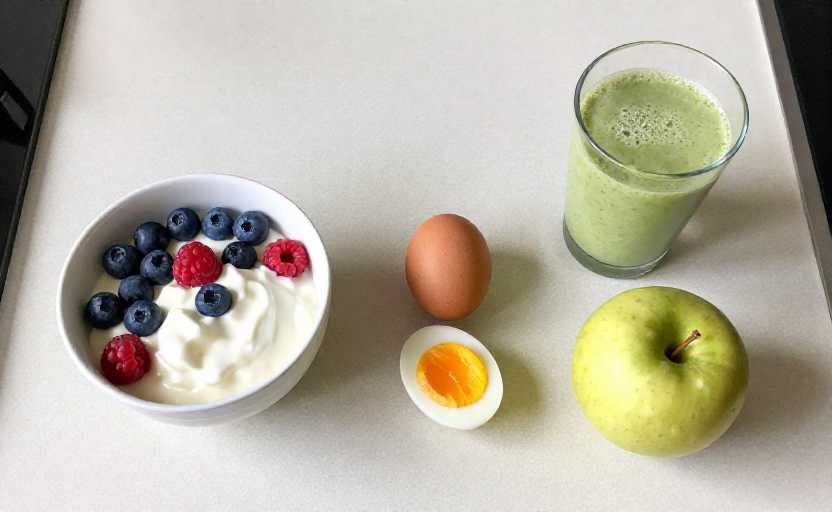
At this point, someone must have asked, can I eat fruit? This issue has been clinically controversial for many years. The traditional view is that fruits contain high sugar content and should be strictly limited or even completely eliminated. However, more and more doctors now recommend that as long as fasting blood sugar is stable below 7mmol/L and does not exceed 10mmol/L two hours after a meal, you can eat 100-200g of low-GI fruits between meals, such as strawberries, blueberries, crisp apples, and crisp peaches. The supplemented dietary fiber and vitamins can actually help metabolism, and you will have better nutritional status and longer-lasting sugar control than those who do not eat at all. But be careful not to squeeze the juice. After the fruit is squeezed into juice, all the dietary fiber is filtered out, and the rate of raising blood sugar is almost the same as that of sugar water. Try to avoid high-sugar fruits such as mango, lychee, and durian as much as possible. My Uncle Zhang was particularly greedy for watermelon in the summer. He would cut a thin piece of about 100g each time and eat it at 3 o'clock in the afternoon. After eating, he would walk downstairs for 20 minutes. After the meal was measured, his blood sugar did not spike at all, and there was no need to quit completely. In the summer, he would take a few bites less to relieve his cravings. People will be happier, and it will be easier to stick to sugar control.
Another question that people ask a lot is whether I can drink alcohol? This really depends on the situation. If you are taking insulin, or taking sulfonylurea hypoglycemic drugs such as glimepiride and gliclazide, I advise you to stop drinking, especially not on an empty stomach - alcohol inhibits liver glycogen output and can easily cause severe hypoglycemia. The symptoms of hypoglycemia, such as panic, dizziness, and unresponsiveness, are almost the same as those of being drunk. People around you can easily ignore them. Every year, there are people with diabetes who induce hypoglycemic coma due to drinking on an empty stomach. This is really not an alarmist. But if your blood sugar is controlled very smoothly, there are no complications, and you don’t take drugs that can induce hypoglycemia, it’s not a big mistake to drink one or two red wine occasionally during New Years and holidays. Just don’t be greedy for too much. Don’t touch beer, liquor, and sweet wine. Rapidly raising blood sugar can also damage the liver.
In fact, many people don’t know that eating habits affect blood sugar more than what they eat. I have done a diet comparison for several people with diabetes before. Using the same ingredients, I ate 2 taels of fried green leafy vegetables first, then 1 tael of lean meat or fish, and finally a smaller bowl of rice. Compared with eating rice with rice, the blood sugar level was 1.8-2.3mmol/L lower on average two hours after the meal. The difference is really not even a little bit, and you don’t need to be extra hungry. You just need to change the order of eating, which is very cost-effective. Also, don't drink a lot of soup or water while eating, which will soften the food in the stomach and speed up digestion, which will also increase blood sugar faster. It is best to drink soup half an hour before a meal, or drink a small amount after a meal.
All in all, there is really no unified standard answer to dietary taboos for diabetes. Everyone’s pancreatic islet function, weight, and complications are different, and their blood sugar response to the same food is also very different - just like some people’s blood sugar rises by 2 points after eating half a steamed bun, and some people’s blood sugar rises by 4 points after eating the same half of a steamed bun. There is really no need to completely copy other people’s fasting lists. My advice to people with diabetes is always to first buy a reliable blood glucose meter. If you are unsure about anything you eat, measuring your blood sugar two hours after a meal is more effective than reading 10 popular science articles. After all, sugar control is a lifelong matter. Sustainability is much more important than extreme strictness. Who hasn’t been greedy? Occasionally eat a small piece of cake, eat less than two bites of staple food for the next meal, and walk for an extra half hour. The sky will not fall.
Disclaimer:
1. This article is sourced from the Internet. All content represents the author's personal views only and does not reflect the stance of this website. The author shall be solely responsible for the content.
2. Part of the content on this website is compiled from the Internet. This website shall not be liable for any civil disputes, administrative penalties, or other losses arising from improper reprinting or citation.
3. If there is any infringing content or inappropriate material, please contact us to remove it immediately. Contact us at: