Alternative therapies and overall health
Now the World Health Organization has classified what the public often refers to as "alternative therapies" as "traditional and complementary medicine." The so-called "alternative" itself is a misunderstanding. Regular practitioners have never said that they want to replace mainstream medicine. Those who claim to be able to "replace" formal treatments are mostly unscrupulous merchants selling products.
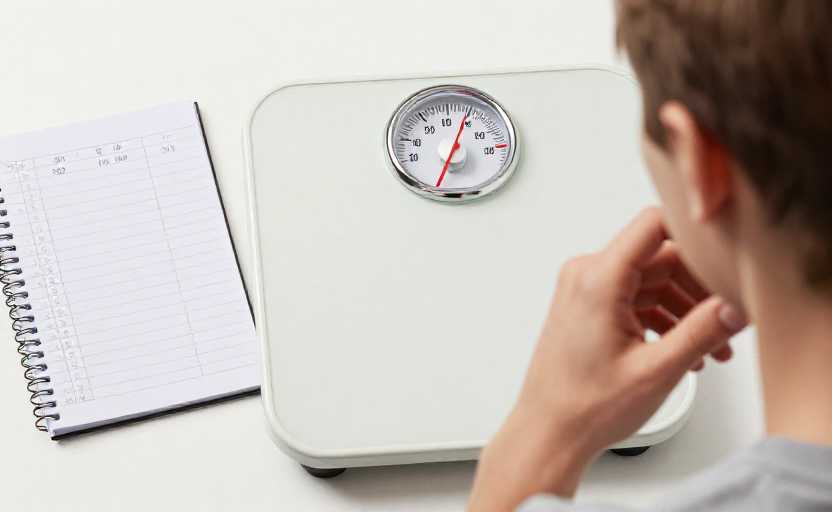
When I worked as an administrative assistant at an integrative medicine clinic in Hangzhou two years ago, the most typical case I encountered was a 38-year-old e-commerce operator who had suffered from migraines for six years. He had five or six head CT and MRI scans, but no organic disease was found. He felt nauseous and his stomach burned after taking the painkillers prescribed by the neurology department. Later, the doctor at the clinic gave her a plan of pressing beans on the ear twice a week, and practicing mindful breathing for 10 minutes each morning and evening. She did not need to stop the nerve-nutrition medicine prescribed by the doctor before. Three weeks later, she came back for a follow-up visit and said that she only had pain once in the past three weeks, and even the pain that she had suffered every week before was much less severe.
Opposing evidence-based medicine researchers always say that such cases are the placebo effect. At present, except for acupuncture and some herbal medicines, which have been verified through large-scale clinical trials to relieve specific symptoms, most alternative therapies such as aromatherapy and sound therapy do not have enough evidence-based evidence to support their effectiveness. The U.S. FDA has so far only approved acupuncture as a complementary therapy for a few indications such as postoperative nausea and chronic pain. Any promotion of other therapies with the word "treatment" is a violation. The core of this school's view is that the foundation of overall health must be evidence-based. Treatments without evidence are essentially charging IQ taxes and may even delay formal treatment.
From the perspective of practitioners of natural medicine and integrative medicine, this statement is a bit too "brainless". After all, overall health is not just about looking at "lesions", but looking at a complete person - your mood, work and rest, diet, stress state, everything will affect your health, and these are precisely the parts that are difficult to cover in a few minutes of consultation in mainstream outpatient clinics. Take the patient with migraine just now. Her problem is essentially that she stays up late for a long time to catch a shopping mall. She works an average of 14 hours a day, and her sympathetic nerves are always too tight. The function of auricular acupoints and mindfulness is to help her relax the nerves that have been tense for several years. The target of the action is not to "treat migraine", but to regulate the state of the whole person. Once the state is improved, the symptoms will naturally become lighter. You can't ask everyone to prescribe sleeping pills if they can't sleep well, or anti-anxiety drugs if they're anxious. In the end, the side effects will be more uncomfortable than the problem, right?
What’s interesting is that after so many years of quarreling between the two sides, the clinical frontline has slowly found a balance. Nowadays, the rehabilitation departments of many tertiary hospitals basically have acupuncture and massage programs. The pain department will prescribe mindfulness meditation guidance to patients with chronic pain. Even the oncology department will recommend moxibustion to patients with nausea and vomiting after chemotherapy. No one is worried about "whether it is a replacement" anymore. It is enough to be useful and safe.
When I was preparing for the vocational qualification exam last year, I was so stressed that I had diarrhea three or four times a day for almost a month. I had a colonoscopy and there was no problem. I took a lot of probiotics and montmorillonite powder to no avail. Later, my mother found an old Chinese medicine doctor who was familiar with me and gave me Zusanli massage twice a week and asked me to stand for 10 minutes every morning. Strangely enough, I was fine after a week. It doesn’t matter whether it’s a placebo effect or a psychological effect. Anyway, I feel better and have no side effects. That’s enough.
Of course, I have also seen people step into big pits. I once had an aunt who had breast cancer surgery and had undergone chemotherapy with a good prognosis. I heard someone said that a certain "alternative therapy" could cure cancer, so she stopped her follow-up examination to drink some "detox soup." After half a year, she came back to the hospital with extensive metastasis, and she died soon after. This is why I have always emphasized that the core of alternative therapy is always "supplementation", not "replacement". Anyone who claims that it can replace regular treatment is a liar and has no excuse.
In fact, if you give an analogy, you will understand: mainstream medicine is like a fire brigade. If your house is on fire, it is absolutely right to call the fire brigade. Quickly and accurately put out the fire, save the house and save your life. Alternative therapies are more like the sweeping robots and air purifiers you usually use at home. They are comfortable to use and can help reduce dust in your home and reduce the risk of fire. But if it really catches fire, if you use the air purifier to put out the fire, you must be crazy, right?
Overall health is a very personal matter. If you feel that your whole body is relaxed after doing essential oil massage, then it is okay to go once a week. If you feel that it is all about IQ tax, it is also good to exercise more and sleep more. The core is not to become a god, and don't beat someone to death with a stick. Safety comes first, and the most important thing is that it suits you.
Disclaimer:
1. This article is sourced from the Internet. All content represents the author's personal views only and does not reflect the stance of this website. The author shall be solely responsible for the content.
2. Part of the content on this website is compiled from the Internet. This website shall not be liable for any civil disputes, administrative penalties, or other losses arising from improper reprinting or citation.
3. If there is any infringing content or inappropriate material, please contact us to remove it immediately. Contact us at: