High blood sugar dietary taboos and recipes
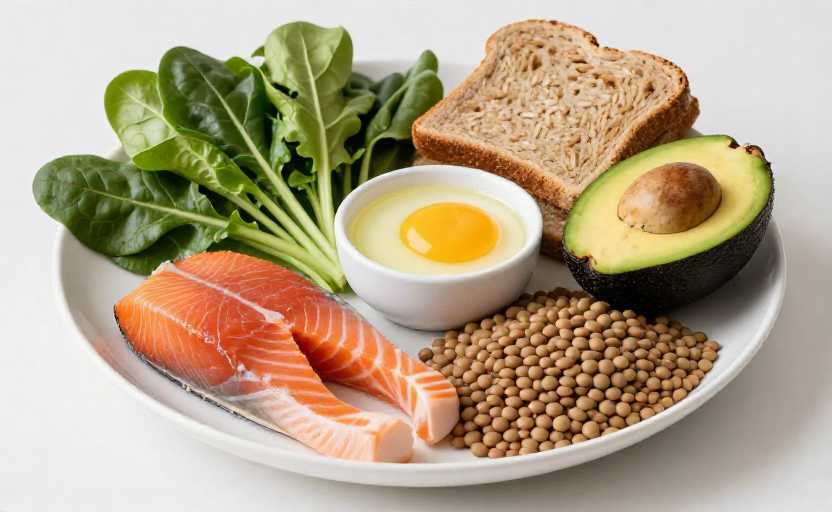
The core principles of diet for people with high blood sugar are just two points - first, absolutely avoid high GI (glycemic index, simply put, a measure of how fast blood sugar rises after eating food) foods with added refined sugar and excessive gelatinization. Second, follow the ratio of "1/2 low-glycemic vegetables + 1/4 high-quality protein + 1/4 slow-carb staple food" for each meal. There is no need to remember messy folk recipes. If these two points are implemented, 80% of blood sugar fluctuations can be stabilized.
Let’s talk about the most common pitfall for everyone. Many people’s first reaction is not to touch milk tea cakes. This is true, but if you think that as long as you don’t eat sweets, everything will be fine, then there is a high probability that you will fall into the pitfall of porridge like my uncle. Last year, his fasting blood sugar was found to be 7.2, and he strictly gave up all sweets. However, during a follow-up examination half a year later, it rose to 7.8. When the doctor asked, he found out that he drank sticky millet porridge for breakfast, and ate salted radish - the cereal was boiled until it was soft and rotten.
When it comes to porridge, a very controversial thing, the opinions of experts in different fields are indeed different: Most Western medicine nutrition departments will directly recommend that sugar lovers quit all porridges made with single refined grains such as white porridge, millet porridge, and pumpkin porridge. The dextrin content is too high, and the rate of raising blood sugar is almost the same as that of sugar water.; However, there are also views from traditional Chinese medicine and dietary therapy that if mixed beans, oats, and brown rice are cooked into porridge, the cooking time should not be too long. When drinking, eat half a plate of green vegetables and add an egg, and drink it slowly in small sips. The increase in blood sugar after the meal will not be too exaggerated, and it is suitable for elderly people with diabetes who have bad teeth. Several diabetic friends around me have personally tested it. They also drank half a bowl of porridge. Eating vegetables first and then drinking porridge is better than drinking porridge on an empty stomach. The difference in blood sugar after meals can be about 2 points. There is no need to kill it with a stick. Just adjust according to your body's reaction.
There are also many hidden sugar pitfalls that are really hard to guard against. Don’t believe it. My best friend’s dad thinks that sugar-free biscuits are healthy snacks. He can eat half a box at a time. After the meal test, the blood sugar rushes to 11. The so-called “sugar-free” is just that no sucrose is added. Wheat flour is listed first in many ingredient lists, and maltodextrin and shortening are also added, which raises sugar faster than ordinary steamed buns. In the same way, there is added sugar hidden in braised pork ribs, fish-flavored shredded pork, tomato sauce, and bottled yogurt. After eating a meal, even if you don't touch a bite of sweetness, your sugar intake may have already exceeded the standard.
Let’s talk about the most controversial question, “Can you eat fruit if you have high blood sugar?” The American Diabetes Association’s guidelines recommend eating about 200g of low-GI fruit every day, just eat it between meals, such as blueberries, strawberries, grapefruit, and crisp apples. While supplementing vitamins, your blood sugar will not fluctuate too much.; However, many domestic clinicians will recommend that people with poor blood sugar control temporarily stop all fruits, especially high-sugar fruits such as lychees, mangoes, and longans, which raise blood sugar very quickly. I generally recommend people with diabetes around me to check their blood sugar first. If it can be stable below 6.5 on an empty stomach and below 8 2 hours after a meal, it’s okay to eat about 100g of crispy peach between meals. If the blood sugar fluctuates high, eat cucumbers and tomatoes as fruits first, and then wait until it stabilizes.
As for the "bitter melon lowering blood sugar" and "okra lowering blood sugar" posted on the Internet, they are all misunderstandings. No ordinary food can directly lower blood sugar. It's just that these vegetables are high in dietary fiber, low in carbohydrates, and raise blood sugar slowly. Don't expect that eating a few kilograms of bitter melon can replace hypoglycemic drugs, but it will easily delay things. There is also the low-carb diet school that is very popular now. It advocates that people with diabetes completely quit all staple foods and eats meat, eggs and vegetables every day. This will indeed stabilize blood sugar quickly in the short term, but long-term eating will put a lot of burden on the kidneys. People with diabetes who have kidney function problems must not try it casually. Most ordinary people still eat 1/4 of slow-carb staple foods. High compliance is not easy to rebound.
Next, I will give you a few recipe combinations that you can copy directly. They are not stuck in the rigid rules of what to eat on Monday and what to eat on Tuesday. They are very flexible and can be made by yourself at home or in the canteen:
What I often make for my uncle for breakfast is: fist-sized boiled corn (slow carb, accounting for exactly 1/4), 1 fried egg and 2 slices of braised lean beef (high-quality protein, accounting for 1/4), and a small plate of cold spinach (low-glycemic vegetables, accounting for 1/2). It can be ready in 10 minutes. His blood sugar level was measured at 6.8 2 hours after the meal, which is much more stable than when he drank millet porridge before. If you are in a hurry, replace the corn with half a bowl of oatmeal, or half a steamed sweet potato, just don't add pickles.
Lunch in the workplace canteen is also a good idea: start with a large plate of stir-fried broccoli or romaine lettuce, fill up half of the plate first, then get a portion of skinless braised chicken legs or steamed fish (1/4 of the plate), and finally a small half bowl of brown rice. If the canteen only has white rice, eat 1/3 of the bowl. Just eat two more bites of vegetables to make up for the meal. Don’t try the thickened egg drop soup and tomato soup in the canteen. They are all invisible starch, and blood sugar will directly increase after drinking them.
Dinner is even simpler. Stew tofu and mushroom soup with less salt, fry some dried celery, and steam a small piece of yam. Stop when you are seventy minutes full. If you are hungry before going to bed, eat a small handful of original almonds or half a small apple. Just avoid late-night snacks that are high in oil and salt, such as barbecue and instant noodles.
To be honest, eating a high blood sugar diet is not like going to jail. There is no need to dare to eat this or touch that. Occasionally, if you are craving for a piece of cake, eat 1/4 of it and go out for half an hour after eating. The blood sugar will not be too outrageous. On the contrary, it is better than holding it in all the time and eventually overeating. It is much more useful to test your post-meal blood sugar twice more than usual to find out what you eat that raises your blood sugar faster than to follow the list of taboos on the Internet. After all, everyone's metabolism is different, and what suits you is the best.
Disclaimer:
1. This article is sourced from the Internet. All content represents the author's personal views only and does not reflect the stance of this website. The author shall be solely responsible for the content.
2. Part of the content on this website is compiled from the Internet. This website shall not be liable for any civil disputes, administrative penalties, or other losses arising from improper reprinting or citation.
3. If there is any infringing content or inappropriate material, please contact us to remove it immediately. Contact us at: