Nutritious lunch for children
Don’t look for fancy Internet celebrity recipes. The core of children’s nutritious lunches is not to collect frivolous KPIs such as “nothing the same for a week” or “12 ingredients every day”. As long as it is adapted to the child’s digestive ability and dietary preferences, it covers the three core components of whole grains/jicama, high-quality protein, and rainbow fruits and vegetables, and avoids the three pitfalls of high salt, high added sugar, and heavy processing.
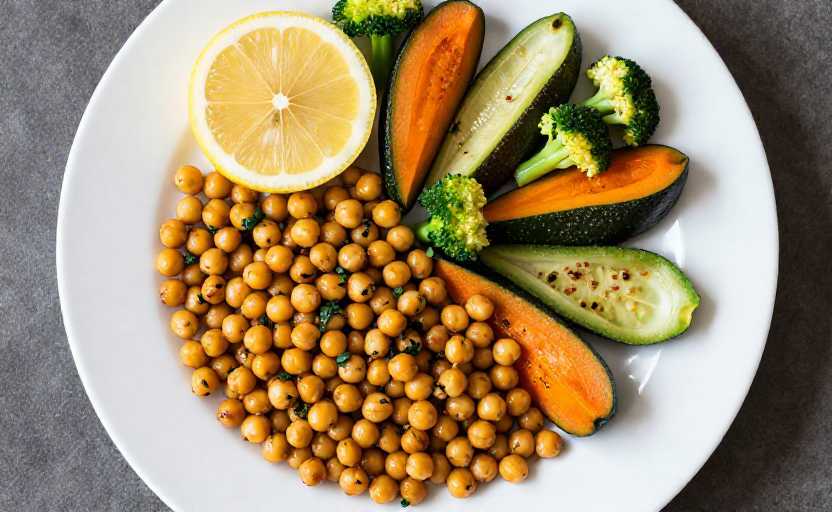
I’m not making this up, it’s a conclusion I came up with after more than half a year of tossing around and asking for advice from my child care doctors and nutritionist friends. I have followed the trend before and made an "exquisite children's lunch box" that looks particularly good in photos: quinoa, shrimp, avocado rice as a base, grilled salmon and blanched broccoli on the side, packed in a three-compartment lunch box without using a filter. Plus, as a result, the child took him to school for three days in a row, and brought it back intact for two days. He said that the quinoa was chewing hard, the cold salmon was fishy, and the classmates around him were eating sweet and sour pork ribs, and his rice looked like he was "just here to eat grass."
There is actually quite a heated debate about the standards for children’s lunches, and there is no unified answer at all. Most academic nutrition practitioners advocate strict gram weight. According to the standards for school-age children in the "Dietary Guidelines for Chinese Residents (2022)", children aged 6-12 should eat 80-120g of cereals and potatoes, 40-50g of high-quality protein, and 100-150g of fresh vegetables per meal. It is best to use a kitchen scale to weigh the baby accurately, and the intake of oil and salt should also be accurate to the gram. However, doctors in the pediatric gastroenterology department generally do not agree with such tight standards. Last month, I took my baby for child care, and the director of the consultation said bluntly, if your baby ate too much the day before, it would be fine to just drink millet porridge with boiled eggs for this meal. It is better than forcing enough grams to cause anorexia. There is no need to compete with the kitchen scale every day.
After all, for ordinary families, how can they spend so much time squatting in the kitchen and weighing accurately? Most children's lunches are either school meals or lunch boxes packed by parents who get up ten minutes early. Practicality always comes first. My best friend’s child attends a public elementary school. The catering is tendered by the Education Bureau. The source of ingredients and nutritional content are posted to the parent group every day. Every week, a third-party nutritionist checks the recipes. She never interferes too much. At most, she tells her to drink less sweet juice in the catering. My child’s annual physical examination is excellent in all indicators. Another friend's private school catering options are too diverse. There are often high-fat and high-sugar options such as fried chicken legs and rainbow mousse. The child always chooses junk food. She wakes up ten minutes early every day and cooks a small bowl of multi-grain rice mixed with sweet potatoes. She fills it with two pieces of ribs that are braised until they fall off the bones and stuffs them with two pieces of peeled mandarin orange. It is simple and trouble-free, and the child enjoys it.
One pitfall that many parents easily fall into is their superstitious belief in "children's-only" ingredients: children's luncheon meat, children's soy sauce, children's noodles. I have previously checked the nutritional content of more than 20 children's processed foods on the market. Nearly 70% of the sodium content is less than 5% lower than ordinary products. Some even add more sugar to please the children's taste. It is nothing more than printing a cartoon pattern and it is twice as expensive. It is completely an IQ tax. Take high-quality protein as an example. It doesn’t have to be cod or Australian wagyu to be considered a good ingredient. Clean grass carp without bones, northern tofu that costs three yuan a pound, and eggs that cost a few yuan a plate. The amino acid ratio can fully meet the growth needs of children. It is much better than those ridiculously expensive “Internet celebrity children’s ingredients”.
After all, is there any 100% perfect nutritious lunch for children? Last week, my son wanted to eat the fried skewers at the school gate for a long time. I made him a less-oil version of the fried chicken steak at home over the weekend, with a large bowl of stir-fried lettuce and steamed corn. He had a chubby belly and sat in the programming class for three hours in the afternoon without complaining of hunger or losing focus. I think this is better than any recipe with precise proportions. After all, nutrition is a long-term matter, and it doesn’t matter if it’s just a meal or a half. It’s more important than anything else for the child to eat happily and be strong.
Disclaimer:
1. This article is sourced from the Internet. All content represents the author's personal views only and does not reflect the stance of this website. The author shall be solely responsible for the content.
2. Part of the content on this website is compiled from the Internet. This website shall not be liable for any civil disputes, administrative penalties, or other losses arising from improper reprinting or citation.
3. If there is any infringing content or inappropriate material, please contact us to remove it immediately. Contact us at: