
Baby is allergic to food when eating complementary food
Immediately stop feeding suspected allergenic foods. For mild allergies (for example, only slight redness and swelling around the mouth, a small amount of scattered rash), first observe and provide symptomatic care at home. Once symptoms such as systemic wheals, frequent vomiting and diarrhea, and shortness of breath occur, go to the doctor immediately. Do not blindly give babies and breastfeeding mothers large-scale food taboos, and do not force feed "immunity training" in an attempt to force desensitization.
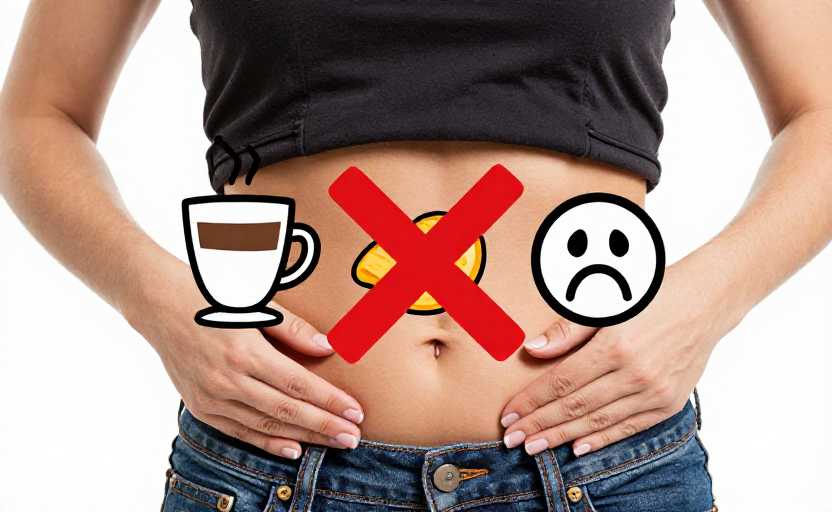
A while ago, my best friend's little rice cake, which was just over 6 months old, was added with steamed egg yolk for the first time. Within ten minutes after eating it, the area around the mouth turned red. My grandma also said, "Children always eat like this when they first start eating. Feed them twice more and they will get used to it." As a result, she fed half of it again the next day and ate it. Within half an hour, not only were there wheals all over my face, but I was also coughing and panting so much that I even vomited milk. I went to the emergency room in the middle of the night. The doctor said it was urticaria caused by egg allergy. If I came in any later, there would be a risk of laryngeal edema, which scared the whole family.
Speaking of this, many parents must be wondering. Didn't the older generation and even many old parenting guidelines tell people under 1 year old not to touch highly sensitive foods such as egg whites, peanuts, and seafood? Why has the statement changed now? In fact, the views of both schools now have basis: the traditional school believes that the immune system of infants and young children is not fully developed, and adding allergens early can easily trigger an excessive immune response. It is recommended that they be gradually introduced after the age of 1 or even 2 years old. ; However, the latest evidence-based guidelines from the American Academy of Pediatrics and the Chinese Maternal and Child Health Association believe that after 6 months of age and have successfully added basic complementary foods such as high-iron rice noodles and root vegetables, highly sensitive foods can be gradually introduced. On the contrary, it can induce tolerance during the critical period of immune system development and reduce the probability of long-term allergies - and it should be noted that the early introduction here means that the baby should be gradually tried in small doses without any physical discomfort such as eczema or colds. It does not mean giving the baby hairy crabs right away.
In the past few years as a parenting coach, I have seen too many parents test allergies based on their mood. One day, they add pumpkin, tomorrow they add shrimp, and the day after tomorrow, they add kiwi fruit. Once they are allergic, they can't find out which one is responsible. In fact, the sensitivity test really does not need to be too complicated. You only need to add one new food each time. At the beginning, scoop a little bit and apply it to the corner of the baby's mouth or the inside of the mouth. Wait for 15 minutes without any redness or itchiness, then feed half a spoonful. After that, eat for 3 days in a row. If there is no rash, vomiting, diarrhea, inexplicable rubbing of the eyes and nose, or incessant crying, then you can feel free to add the next food. By the way, I would also like to remind you that hidden allergens in many processed complementary foods are easy to get into. For example, I met a baby before who had no problem eating fresh kiwi fruit but got a rash after eating commercially available dried kiwi fruit. Later I found out that the allergy was induced by the sulfites added in it. When buying processed complementary foods for your baby, you really need to look over the ingredient list twice.
Many parents’ understanding of allergies is limited to “rashes”. In fact, there are too many symptoms of allergies: some children have loose stools several times after eating new complementary foods, or even have blood in their stools. Some children rub their eyes and noses inexplicably until their eyes turn red. Others become irritable and cry after eating, and cannot sleep well. There are even cases of chronic allergies. After eating for more than half a month, they gradually show no weight gain and recurring eczema. These should be paid attention to.
As for whether to check allergens when you have allergies, in fact, there is no unified standard answer in the industry: if it is just an occasional slight perioral redness and swelling, just stop eating. There is no need to go to the hospital for a check. After all, the immune system of babies under 1 year old has not yet matured. Whether it is a skin prick or a serum-specific IgE test, the probability of false positives and false negatives is not low. Instead, it is easy to detect a lot of "allergic" foods, which makes parents afraid to feed their babies. In the end, the baby's nutrition cannot keep up. However, if your child has repeated allergic symptoms, or one allergic symptom is particularly severe, it is still recommended to seek an evaluation from an allergist and get tested if necessary. If necessary, follow the doctor's advice on dietary restrictions.
The two extremes I have seen the most are that one is like facing an enemy as soon as allergies are encountered. Not only does the suspected allergenic food be stopped, but all high-sensitivity foods are banned for the baby. Breastfeeding mothers do not even dare to touch eggs and milk. A fan asked me for consultation before, saying that her baby is only mildly allergic to milk protein. She even stopped nuts, seafood, and soy products. Within three months, she was diagnosed with iron deficiency anemia. When the baby was 8 months old, he was not as heavy as when he was 6 months old. It was really not worth the gain. There is another extreme, which is that allergy means that the child has poor immunity and can "adapt" by being forced to eat more. I once encountered a parent who knew that the child was allergic to peanuts, but fed the child crushed peanuts every day for "exercise". In the end, the child induced anaphylactic shock and was admitted to the ICU. This kind of thing is really making fun of the child's life.
In fact, you don’t have to be too nervous when raising a baby. Every baby’s body is different. Just because someone else’s food is fine does not mean that your baby can be made casually. If your baby is really allergic to certain foods, don’t be too anxious. Most food allergies are staged. For example, many babies are allergic to eggs and wheat when they are young. When they are 3 or 4 years old, their immune systems have matured and they will naturally tolerate it. Adding more complementary foods and snacks every day, and handling allergies calmly is better than anything else.
Disclaimer:
1. This article is sourced from the Internet. All content represents the author's personal views only and does not reflect the stance of this website. The author shall be solely responsible for the content.
2. Part of the content on this website is compiled from the Internet. This website shall not be liable for any civil disputes, administrative penalties, or other losses arising from improper reprinting or citation.
3. If there is any infringing content or inappropriate material, please contact us to remove it immediately. Contact us at:
