allergy hypoallergenic food
There is no universal hypoallergenic food suitable for everyone. All the "hypoallergenic food lists" you can search for are relatively safe options based on large sample statistics. Whether it falls on a specific individual or not, whether it is truly hypoallergenic only depends on your own allergens.
A while ago, I helped my best friend to make a food allergy avoidance plan for her 6-month-old baby. She had searched the top ten hypoallergenic foods on the Internet. In the first week, she gave the baby high-iron rice noodles, potatoes, and pumpkins without any problem. In the second week, she added broccoli. As a result, the baby's face was half swollen that day. I went to the hospital to check the allergens and found out that the baby is allergic to glucosinolates in cruciferous plants - this stuff is a safe item on most people's hypoallergenic list, but her baby was affected. In fact, to put it bluntly, allergens are like everyone’s exclusive food blacklist. Someone else’s red list may just be on your blacklist. How can there be any hypoallergenic food that is universally applicable?
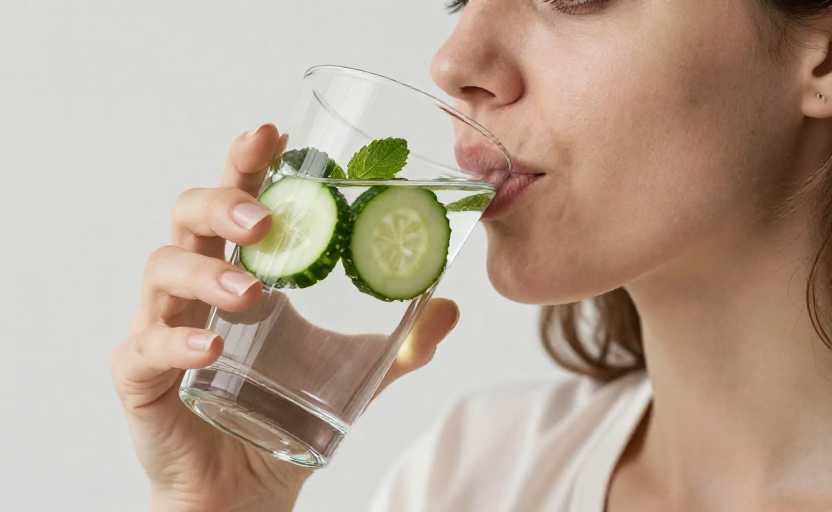
That’s not to say that these lists are useless. According to WHO statistics, more than 90% of food allergies are caused by eight major categories of allergens: milk, eggs, peanuts, tree nuts, seafood, soybeans, wheat, tropical fruits such as mango/pineapple. As long as you avoid these categories, most people will definitely have a chance of being allergic. The actual energy can be reduced to less than 5%, so there is a conventional hypoallergenic food range in clinical practice, such as rice, millet, lean pork, skinless chicken breast, cabbage, baby cabbage, apples, pears, etc., which are often recommended by doctors in the acute stage of allergies. After all, after so many years of clinical practice, there are really few people who are afraid of it.
However, there have been different opinions in the academic circles regarding the definition of hypoallergenic foods. The Traditional Nutrition Society recommends that people at high risk of allergies (such as children whose parents have allergies) try to eat only the foods on the above list before the age of 1 and avoid contact with common allergens. ; However, new research in the international allergy community in recent years believes that as long as the allergies are not already clear, a small amount and gradual exposure to common allergens before the age of 1 can actually reduce the probability of subsequent allergies. An allergy nurse I know has a baby with a milk protein allergy. She gave her baby a small amount of hard-boiled egg yolk when he was 7 months old. The baby had no reaction at all. Now he is 3 years old and eating eggs is no problem. If he hides it as usual until he is 3 years old, he might develop an egg allergy instead.
Oh, by the way, many people think that “additive-free”, “organic” and “wild” foods are more allergenic. This is really a huge misunderstanding. I saw a patient in the emergency department last year who was allergic to eating organic wild shepherd's purse. He broke out in red rashes all over his body and was also wheezing. This is because the alkaloids and photosensitive substances in wild vegetables are much higher than those in ordinary cultivated vegetables, and are more likely to trigger allergies. There is also the "perfect hypoallergenic staple food" quinoa that has been touted in the past. In the past two years, many allergic cases have appeared one after another. Most of them are allergic to the saponins in the outer layer of quinoa, causing stomachache and diarrhea after eating it. Nowadays, quinoa is rarely recommended in clinical practice as the first choice during allergy periods.
If you really want to find hypoallergenic foods that suit you, don't just copy the lists online. The stupidest and most effective way is to keep a food diary. Every time you add a new food, eat it separately for 3 consecutive days. If you don’t get rash, diarrhea, or sneezing or coughing for no reason, then this food is hypoallergenic to you. If the allergic reaction is serious, go to the hospital for an allergen test. However, please be reminded that the current conventional IgE test can only detect immediate allergies. Delayed allergies that take several days to react after eating cannot be detected. You still have to keep a diary and try slowly.
I am allergic to mangoes and pineapples. I always thought that all tropical fruits were minefields for me. I went to Hainan last year and tried to eat two lotus seeds, but nothing happened. Then I tried guava and star fruit, and they were fine. If I had followed the saying on the Internet that "tropical fruits are all highly sensitive", I would have missed out on so many delicious foods.
To put it bluntly, hypoallergenic food is a very personal thing, just like everyone's taste preference. If others eat it safely, you may get sick when you touch it. If others touch it and go to the hospital, you may taste it deliciously. If you really have allergies, try more and record more. If you are not sure, go to the doctor. It is more reliable than any Internet celebrity list.
Disclaimer:
1. This article is sourced from the Internet. All content represents the author's personal views only and does not reflect the stance of this website. The author shall be solely responsible for the content.
2. Part of the content on this website is compiled from the Internet. This website shall not be liable for any civil disputes, administrative penalties, or other losses arising from improper reprinting or citation.
3. If there is any infringing content or inappropriate material, please contact us to remove it immediately. Contact us at: