Diet taboos for vasculitis
Identify foods that may trigger your allergies/exacerbate your condition, foods that may conflict with your current medications, and highly processed, irritating foods that are high in salt, fat, and sugar. The rest of the "don't touch hairy food" and "beef, mutton, and seafood must be banned" rumors spread online are mostly misunderstandings that apply across the board. Whether you can eat them or not depends on your personal situation.
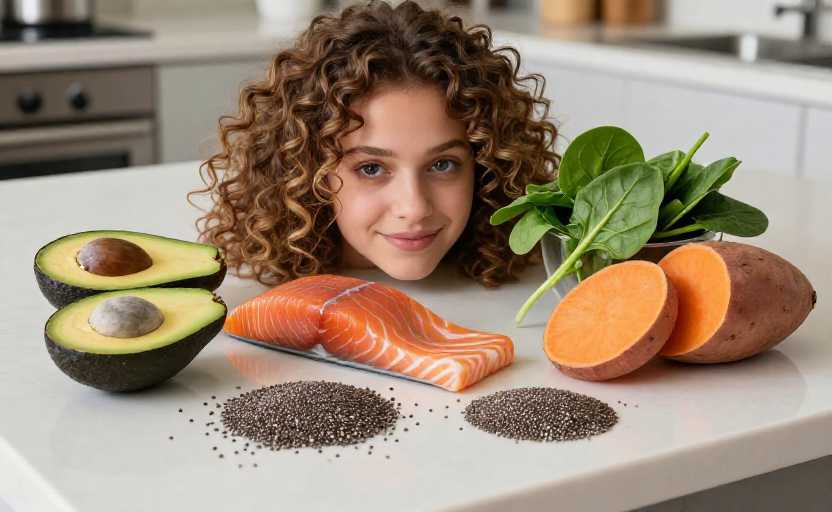
Xiao Zhou, a 28-year-old patient with Anka-related vasculitis who just received a follow-up visit last week, had a two-page list of so-called "taboo foods" in the patient group when he was first diagnosed. He didn't dare to touch a bite of shrimp or beef for half a year, and even dared to eat only egg whites. As a result, the albumin was as low as 30g/L this time. He felt dizzy when he walked, and his inflammation index was higher than last month. Later, he was tested for food intolerance. Except for the mango allergy, beef, mutton, and seafood were all within the safe range. He adjusted his diet and supplemented with high-quality protein for two weeks. This time, his whole mind was different.
Having said this, some people will definitely ask, are all the hair growth products mentioned by Chinese medicine useless? No, the traditional Chinese medicine system recommends that in the acute stage of vasculitis and when the rash and erythema are obvious, try to avoid pungent and hot foods, such as high-quality liquor, freshly fried peppers, durian, lychees, etc., to avoid dilating blood vessels and aggravating inflammation and exudation. This statement is indeed supported by many clinical cases. However, the judgment logic of Western medicine is more biased toward individual matching: as long as you do not experience worsening of rashes, joint pain, or recurrence of purpura after eating it, and the indicators such as uric acid and blood lipids are normal, there is no need to deliberately avoid food. There is actually no conflict between the logics on both sides. They are all designed to help you stabilize your condition. There is no need to argue about who is right and who is wrong.
Oh, by the way, there are some types that are really not controversial. No matter what type of vasculitis you have, try to touch them as little or as little as possible.
The first thing is that you eat something that clearly makes you feel uncomfortable. This is more accurate than any list given by a doctor. For example, some people develop purpura when they eat crabs, or suffer from joint pain when they drink iced milk tea. No matter how nutritious others say this food is, you have to avoid it. If you are really unsure, you can keep a food diary for two weeks. Every time you feel uncomfortable after eating something, write it down. You will slowly be able to figure out your own "minefield", which is more effective than doing a bunch of random tests.
There are also hard taboos, which conflict with the medicine you are currently taking, so don’t take them seriously. For example, patients taking warfarin for anticoagulation should not suddenly eat half a pound of spinach, kale and other high-vitamin K foods. This will offset the anticoagulant effect and easily cause blood clots. ; Those who take immunosuppressants such as cyclosporine and tacrolimus should never touch grapefruit, grapefruit and related juices. This will cause the blood concentration to soar suddenly and the side effects to increase several times. This is really dangerous.
Then there are the heavily processed foods that are high in salt, fat and sugar. This is not to say that you can’t eat even one bite, but vasculitis itself will damage the vascular endothelium. If you eat pickles, soy sauce meat, fried chicken, and milk tea every day, taking hormones will easily cause blood pressure, blood lipids, and blood sugar to rise. Such a double blow can easily induce vascular complications. I once took care of a 62-year-old sister who couldn't control her mouth when taking hormones. She had to eat pickled radish every time. As a result, her condition was well controlled, but her blood pressure suddenly spiked to 180, which caused fundus hemorrhage. She had to stay in the hospital for a week before she was stabilized. It was not worth it.
Can seafood, beef, mutton, and eggs be eaten, which many people are most concerned about? There is really no need to be one-size-fits-all. As long as you are not allergic and have normal uric acid, you should eat more of these high-quality proteins. Vasculitis itself is a wasting disease. When the inflammation recurs, the body's protein is consumed very quickly. If you don't dare to eat this, you won't dare to eat that. If you can't keep up with nutrition, your immunity will drop, but you will be prone to infection, and the disease will be more likely to recur. There was an old patient who heard others say that eggs are "hair-producing" and did not dare to eat eggs for three years. Finally, he was hospitalized because of hypoalbuminemia and lower limb edema. It took more than half a month of conditioning to get better. He was really at a loss.
The thing I usually tell my patients the most is, don’t make dietary taboos feel like going to jail. For example, if you usually like to eat spicy food, but now your condition is stable, it is perfectly fine to eat a slightly spicy hot pot to satisfy your cravings occasionally, as long as you don't eat it every time and don't get angry every time you eat it. Many people have too many taboos for themselves. Eating every day is like being tortured. They are so anxious that they will affect their immune status and aggravate their condition. This is not worth the gain.
To put it bluntly, the dietary taboos for vasculitis are never a unified test paper, and everyone’s answer is different. Don’t blindly follow fellow patients and just eat whatever they say you can’t eat, and don’t eat blindly with the mentality of “I don’t want to eat anything and it’ll be fine”. Find out your own body rhythm and adjust according to the guidance of the attending doctor. This is more reliable than any list of taboos posted online.
Disclaimer:
1. This article is sourced from the Internet. All content represents the author's personal views only and does not reflect the stance of this website. The author shall be solely responsible for the content.
2. Part of the content on this website is compiled from the Internet. This website shall not be liable for any civil disputes, administrative penalties, or other losses arising from improper reprinting or citation.
3. If there is any infringing content or inappropriate material, please contact us to remove it immediately. Contact us at: