Recommended introductory fitness training courses for novices
If you want to build muscle and shape, give priority to basic strength classes. If you have a large base/physical fitness gap, start with low-intensity aerobics. If you have posture problems after sitting for a long time and have always been injured from practicing blindly before, take movement correction classes first.
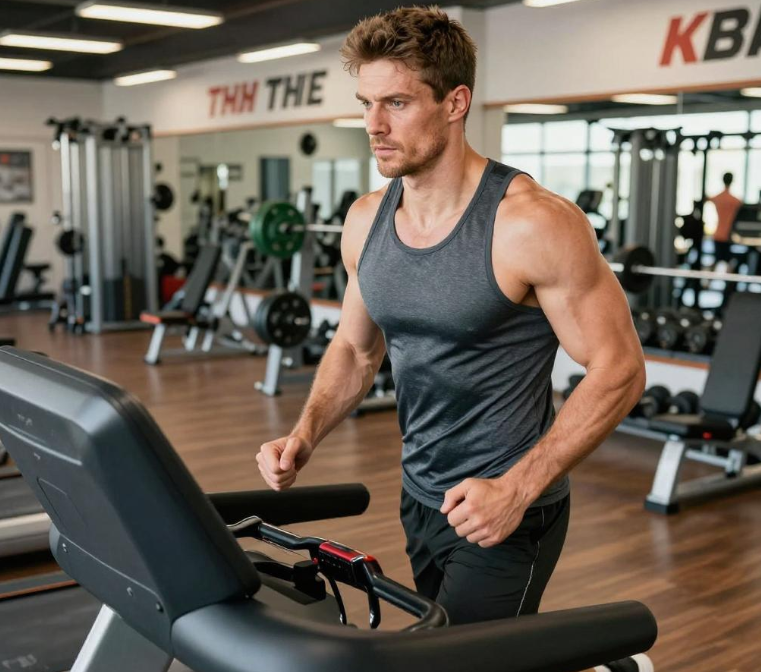
To be honest, when I first entered the gym in 2018, I stood in the equipment area and stood stunned for ten minutes, not knowing which one to touch. I practiced deadlifting blindly with my friends for two weeks, and my back hurt so much that I couldn’t straighten up. Later I realized that the first step for a novice is not to focus on weight and fat burning efficiency, but to choose the right class that suits your current condition. Avoiding detours is better than anything else.
I have also heard from many fitness bloggers on the Internet that novices must practice pushing and pulling leg differentiation at the beginning. It is more efficient to stimulate a single muscle group deeper. I tried it once and wrote down half a page of what to do every day. Later, I changed to a full-body differentiation class taught by a veteran coach who has been teaching for 7 years. I practiced three times a week, each time with four main exercises: empty bar squat, dumbbell bench press, bent over row, and kettlebell deadlift. Each movement was performed in 3 groups of 12 times. The remaining 15 minutes were for core training. Each session was over in 45 minutes. The coach did not force you to increase the weight, and adjusted the details of the movements one by one. After practicing for a month, I finally felt that my quadriceps were tight when I squatted, and my chest also felt a clear stretch when I benched. It’s not that the push-pull leg differentiation is not good, it’s just that the neural recruitment ability of novices can’t keep up. If the same muscle group is only practiced once a week, the stimulation efficiency is too low. The whole-body differentiation can cover all major muscle groups every time. The frequency of three times a week is just right, and it is more suitable for beginners to lay the foundation.
Of course, if you usually feel out of breath even after walking for two stops and your weight is more than 30 kilograms higher than the standard value, don't try to join the excitement of the strength class. It is more practical to take a low-intensity aerobic class first. A while ago, I helped my cousin choose a class. She is 160cm tall and weighs 150kg. She wanted to sign up for the Internet celebrity HIIT class. She said she could lose 5kg in a week by burning fat quickly. I stopped her and signed up for an introductory class of steady-state aerobics on the elliptical machine. Each session lasted 40 minutes, and the instructor kept an eye on her heart rate the entire time. , keeping it between 55% and 65% of the maximum heart rate, and not allowing her to hit speed or resistance. After the first exercise, she actually said, "I didn't feel particularly tired, it was still acceptable." Now she has lost 18 pounds after practicing for two months, and she has recently begun to try to add basic strength content. It’s not that HIIT is bad, it’s just that it requires high cardiopulmonary capacity and movement standards. Novices will rush hard when they start, and it is easy to deform their movements and injure their knees and sprained feet. On the contrary, low-intensity aerobic training has a low threshold, is easy to persist, and is not easy to get injured. For people with zero foundation, a class that can persist is a good class.
Many people think that movement correction classes are an IQ tax. I used to think so too, until I developed acromion impingement while practicing bench press. The pain lasted for half a month and I had difficulty raising my arms to put on clothes. After taking three correction classes, I realized that I have rounded shoulders and poor scapular mobility due to long-term sitting. When I bench press, my scapula is not stable, and I rely entirely on the shoulder joint to support it. It’s strange that it doesn’t hurt. It took me two weeks to adjust my posture, and when I practiced bench pressing without adding any weight, my chest felt fully stretched. Of course, if you have a limited budget and don’t want to spend hundreds on offline correction classes, you can also find a reliable fitness blogger to do a 1v1 posture assessment. For a few dozen yuan, they can give you a targeted adjustment plan, which is much more reliable than blindly following generic videos. After all, everyone’s posture problems are different. The same is rounded shoulders, some people have too tight chest muscles, and some people have weak back muscles. General adjustments may be useless or even counterproductive.
To be honest, don’t believe those crash courses like “Build your vest line in 7 days” or “Build 10 pounds of muscle in 30 days”. They are purely based on IQ. Most of the so-called "progress" made by novices in the first three months is due to the improvement of neural recruitment ability. It does not mean how much muscle has been gained or how much pure fat has been lost. Fitness is inherently a slow effort and cannot be rushed. When I recommend classes to novices around me, I always add this at the end: If the class you choose is extremely painful for you and you have to do half an hour of mental preparation before each class, then no matter how "professional" or "efficient" it is, don't choose it. Find one that you find interesting. If you like jumping around, choose the introductory jazz class for aerobics. If you like playing with others, choose the introductory Frisbee class. If you can stick to it, it will be more effective than any perfect training plan.
Disclaimer:
1. This article is sourced from the Internet. All content represents the author's personal views only and does not reflect the stance of this website. The author shall be solely responsible for the content.
2. Part of the content on this website is compiled from the Internet. This website shall not be liable for any civil disputes, administrative penalties, or other losses arising from improper reprinting or citation.
3. If there is any infringing content or inappropriate material, please contact us to remove it immediately. Contact us at: