Food taboos for squinting eyes
Clinically, there are no foods that patients with strabismus (commonly known as "squint") must not eat. However, from the perspective of disease control and postoperative recovery, high-sugar and hypertonic sweets, excessively spicy foods, and excessive caffeine drinks are the three categories that need to be avoided first. The remaining so-called "taboos" are mostly controversial and need to be judged based on personal constitution.
I have been practicing ophthalmology for almost ten years, and I have seen too many patients make mistakes. Last week, I met a 16-year-old child with intermittent exotropia in the outpatient clinic. He had just undergone corrective surgery for a week and was recovering very well. However, his mother felt that she needed to replenish her body and stewed beef brisket with chili peppers. The child was greedy and couldn't hold back. When he came for a follow-up examination, the conjunctiva was swollen and translucent, and his already aligned eyes were a little floating. He had to put in hormonal eye drops for an extra week. The mother and son sat in the clinic complaining to each other, and I couldn't laugh or cry watching it.
It’s not that eating spicy food will cause immediate problems. It’s just that spicy food will quickly dilate blood vessels. The tissues around the eyes that have just undergone surgery are in a sensitive period. Ordinary people’s eyes will become red and tearful after eating spicy hot pot. What’s more, patients who have just had surgery on their extraocular muscles? Of course, if you grew up eating spicy food and don't like spicy food every time, it's not a big problem if you crave for a few bites of mildly spicy home-cooked food after surgery. If you have to try that spicy hotpot or spicy turkey noodles, you are just gambling on your own recovery progress, and you really can't do it.
Speaking of this, some people will definitely ask, is it true that the older generation said that "fawu" should not be touched? This is actually the most controversial point at present: Traditional Chinese medicine believes that after strabismus surgery, seafood, beef, mutton, and goose should be avoided to avoid inducing inflammation. ; However, modern evidence-based medicine research has found no evidence that such foods directly affect the recovery of strabismus. On the contrary, the high-quality protein in these foods is a good thing to help wound healing. I once had a patient who ate steamed shrimp every day after surgery and recovered faster than someone who had not eaten at the same time. ; But there is also a girl who is allergic. She ate two hairy crabs after the operation. Her eyes were so swollen that she could not open her eyes. It took almost two weeks to recover. To put it bluntly, the essence of the so-called taboos on "hair food" is to prevent allergies. If you have eaten it before, you can eat it if it is fine. If you are prone to allergies, just tolerate it for two months. There is no need to adhere to the same standard.
Another point that everyone easily overlooks is the high sugar and caffeine. The extraocular muscles around the eyeball are like several springs pulling the door. They rely on stable nerve blood supply and signal conduction to work together. High sugar will increase blood sugar fluctuations and damage nerve endings. Patients with paralytic strabismus have problems with nerve conduction. If they drink milk tea or sugar water every day, their recovery will be much slower. There used to be an old man in his sixties who developed paralytic strabismus after a cerebral infarction. He drank sugar water to replenish his body at home. However, after a three-month review, there was no improvement at all. Later, he was advised to stop sugar and he basically recovered after two months of training.
Needless to say, there is no need to mention caffeine. Many office workers drink iced American style and energy drinks every day to catch up on projects. Caffeine can over-excit the nerves and make the extraocular muscles prone to tension and spasm. Patients with intermittent strabismus can rely on their muscles to control their eye position. If they drink coffee continuously for a week, they may lose control much more frequently. There was a patient who worked on the Internet before. His squint angle was originally stable at 10 degrees. He stayed up for three days in a row to catch up with the quarterly financial report and had three cups of American coffee a day. After the reexamination, it rose to 15 degrees. He stopped drinking coffee and did visual function training for two weeks before it returned to normal.
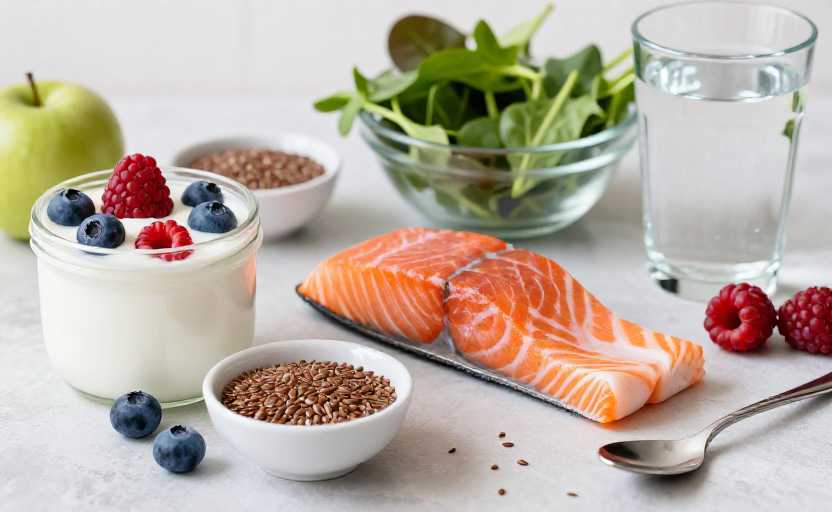
To put it bluntly, dietary taboos are never rigid rules. Your own body feels the most accurately. If after eating something, your eyes feel tight and dry, or even double vision becomes obvious, then don’t touch it next time. If nothing happens after eating, there is no need to eat this or touch that. Balanced nutrition will make you feel better faster. After all, you don’t have to be hungry to nourish your eyes, right?
Disclaimer:
1. This article is sourced from the Internet. All content represents the author's personal views only and does not reflect the stance of this website. The author shall be solely responsible for the content.
2. Part of the content on this website is compiled from the Internet. This website shall not be liable for any civil disputes, administrative penalties, or other losses arising from improper reprinting or citation.
3. If there is any infringing content or inappropriate material, please contact us to remove it immediately. Contact us at: