Diet taboos during ovulation induction
All alcoholic drinks, undercooked meat/eggs/aquatic products, foods known to cause allergies, and other taboos that are “absolutely untouchable” that are spread online are mostly not supported by science, so don’t be overly anxious.
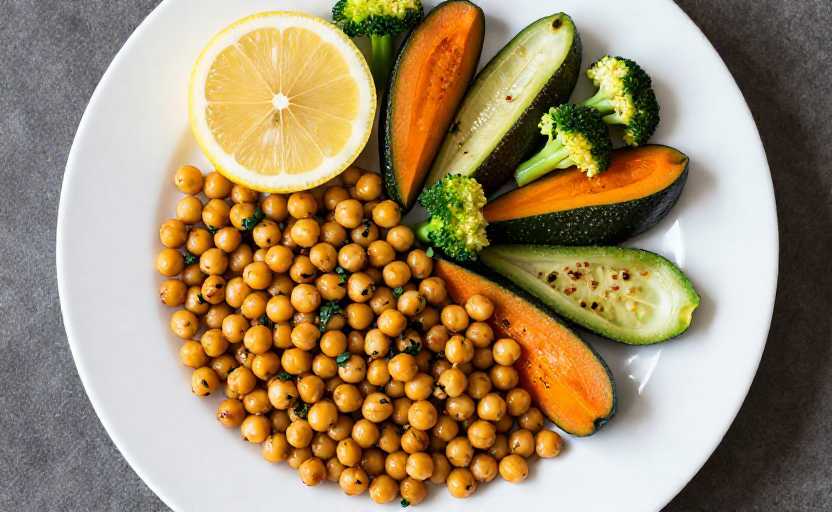
When I accompanied my friends to the reproductive department for follow-up consultations, I saw many girls carrying small notebooks with a page full of "don't eat" lists: ice can't be touched, spicy can't be touched, watermelon is cold and can't be eaten, milk tea contains sugar and can't be drunk, even soy products All the food was labeled as "hormone-affecting". I had to read the guide three times before eating anything. I was more nervous than preparing for the college entrance examination. When I asked the doctor, the doctor couldn't help laughing and said that your dietary taboos are stricter than those of people undergoing heart surgery. It's really unnecessary.
Let’s talk about alcohol first, which is undisputed by everyone. Whether it’s low-alcohol fruit beer, sparkling wine, or dishes that have a lot of cooking wine in them but haven’t cooked them until they evaporate completely, try not to touch them. The impact of alcohol on egg quality is recognized by the global reproductive community. Even a small amount of intake may disrupt hormone levels and even affect subsequent embryo quality. I met a girl in a patient group before. On the 6th day of ovulation induction, she drank half a cup of RIO at a friend’s gathering. The next day, her hormones were more than twice as high as the previous day. The doctor directly suggested canceling the monthly cycle. The gain outweighs the loss. Don’t take any chances.
Undercooked food is also an uncontroversial minefield: soft-boiled eggs, raw pickled shrimps and crabs, medium-rare steaks, and tender meat that is blanched for a few seconds when eating hot pot may carry salmonella and listeria. Ordinary people may have diarrhea for two days after eating it. However, if the infection occurs during ovulation, either medication is required to avoid affecting the follicles, or the body's stress response will disrupt the hormonal rhythm, which is not worth the gain. Speaking of this, someone must ask, can I eat the iced ones? Here I would like to mention a point that many people confuse: the "raw" in "raw and cold" is absolutely not allowed, but the "cold" actually depends on the individual's physical constitution. As long as it is completely cooked and cooled, such as iced watermelon, iced milk, and salad at room temperature, you will not have diarrhea or gastrointestinal discomfort at all if you eat it normally, and it will promote ovulation. You can eat whatever you want during the period. It was summer when I was promoting ovulation and I had to eat half a iced watermelon every day. In the end, 11 eggs were retrieved and mixed into 7 high-quality embryos. There was no problem at all. However, if you have a weak stomach and suffer from cramps and diarrhea when you eat cold food, then you should definitely eat warm food and don't force yourself.
Needless to say, there are foods that you are allergic to. Don’t put food in your mouth that will cause rashes, edema, and diarrhea, regardless of whether it is nutritious or not. The immune response caused by allergies will not be beneficial to promoting ovulation. Don’t believe in the folk remedies of “eat to repair a fetus” and insist on eating it, which will do bad things.
The remaining claims are mostly controversial and there is never a one-size-fits-all standard. For example, can I eat spicy food? Many doctors in the north will recommend eating as light as possible to avoid constipation. However, many reproductive doctors in the Sichuan and Chongqing areas will directly say that if you are used to spicy food, you can eat normally. If you suddenly stop spicy food, you will lose your appetite. The big problem is that you can't eat and replenish nutrition. I have a patient in Chongqing who added two tablespoons of chopped pepper to every meal during the ovulation induction period. In the end, 12 eggs were retrieved, and 8 of them were high-quality embryos. The results were better than those of many people who eat boiled vegetables every day. To put it bluntly, don’t suddenly change your long-term eating habits, as your body will not adapt.
And the most frequently asked question is whether we can drink milk tea and eat sweets? In fact, as long as you don’t have polycystic disease, insulin resistance, or high blood sugar, it’s perfectly fine to occasionally drink a cup of full-sugar milk tea or eat a small piece of cake to satisfy your cravings. Instead, you endure it every day, feeling depressed and anxious, which has a greater impact on hormones than that little bit of sugar. Of course, if you have blood sugar-related problems, you must follow the doctor’s advice to control your sugar. This depends on the situation, and there is never a unified answer.
As for the rumors on the Internet that you should not eat potatoes, tomatoes, or soy products, it is said that these will reduce estrogen and affect follicle development. This is completely nonsense. The soy isoflavones in soy products are phytoestrogens. The small amount of daily intake will not shake the hormone levels in the body at all. I drank a cup of freshly ground soy milk every morning to promote ovulation, and the hormone levels have been very stable. The doctor also said that there is no problem at all.
In fact, promoting ovulation is stressful enough in itself. I get injections every day and go to the hospital for blood tests and B-ultrasounds. The psychological pressure is already great. There is really no need to put shackles on myself when it comes to eating. As long as you avoid those three clear minefields, try to eat as much high-quality protein as possible (eggs, milk, fish, shrimp, lean meat, etc.), and be happy as long as you want. A stable mood is more useful than any weird taboos. If you are really unsure about what you can eat, ask your doctor directly. Don't scare yourself by searching online for a long time. The gain is not worth the loss.
Disclaimer:
1. This article is sourced from the Internet. All content represents the author's personal views only and does not reflect the stance of this website. The author shall be solely responsible for the content.
2. Part of the content on this website is compiled from the Internet. This website shall not be liable for any civil disputes, administrative penalties, or other losses arising from improper reprinting or citation.
3. If there is any infringing content or inappropriate material, please contact us to remove it immediately. Contact us at: