Diet taboos for stroke
There are no "hairy things" that you absolutely cannot touch, but there are three types of foods that you must stay away from - high-concentration alcohol, artificial trans-fatty acid products, and hot food and drinks above 65°C.; The amounts of high-salt, added sugar, and saturated fat ingredients must be strictly controlled ; As for the "can't eat eggs, seafood, and red meat" rumors spread on the Internet, they are all rumors. Whether and how much should be eaten depends on the individual's blood lipids, uric acid, and swallowing function. There is no need to apply one-size-fits-all.
I have been following up patients for 3 years in Shennei. I have seen too many cases of relapse due to eating the wrong things. I have also seen many cases of patients who have been delayed in recovery due to excessive dietary restrictions. There is really no need to step into these pitfalls. During the Chinese New Year last year, I met Uncle Zhang, who had recovered from a hemorrhagic stroke for 8 months. At that time, he was already able to walk downstairs to buy groceries. At a gathering of relatives, he was advised to drink less liquor to stimulate blood circulation. However, he drank two ounces of 52-proof liquor. He drank two ounces of 52% liquor. That afternoon, he had a headache and nausea and was sent to the emergency room. He almost couldn't save his life due to a recurrence of blood vessel rupture. At this point, someone will definitely ask, isn’t it said that drinking a small amount of red wine can soften blood vessels? This statement has long been falsified. The 2023 version of the "China Cerebrovascular Disease Prevention and Treatment Guidelines" clearly states that even if you only consume 10g of alcohol per day, the risk of stroke recurrence will increase by 10%-15%. In the early studies that said red wine was beneficial, the samples themselves were selected from European and American middle-class people with healthier lifestyle habits, and it was not at all due to wine. Of course, some traditional nutrition schools suggest that if you are a patient who has had an ischemic stroke, has recovered for more than one year, and has no history of hypertension, occasionally drinking a little low-alcohol fruit wine with a temperature below 10 degrees, no more than 50ml a day, can indeed improve your appetite. However, you must first seek the advice of your attending doctor, and do not try it blindly.
Many people may have no idea about artificial trans fatty acids. In fact, they are the non-dairy milk tea, cocoa butter substitute chocolate, shortbread tarts made of shortening, and birthday cakes made of margarine that we often eat. There was a 62-year-old Aunt Li who recovered from a stroke for half a year. Her granddaughter bought two large bags of Internet-famous milk dates. She felt that the sweetness was not enough, so she ate three or four of them as snacks every day. After eating for 10 consecutive days, she went for a review. The low-density lipoprotein commonly known as "bad cholesterol" rose directly from 2.1mmol/L to 6.3mmol/L. She felt dizzy for several days, and it took a long time to adjust her blood lipids before it came down. However, there is no need to talk about the discoloration of trans fatty acids. The small amounts of trans fats naturally found in milk, beef and mutton have no negative effects on the body. There is no need to eat taboos at all, as long as you avoid artificial ones.
Another taboo that many families ignore is eating or drinking hot food. Stroke patients more or less have slow swallowing reflexes, and the sensitivity of the oral mucosa is also lower than that of ordinary people. Eating hot food above 65°C not only easily burns the oral and esophageal mucosa, but also stimulates rapid contraction of blood vessels, causing blood pressure to spike instantly. Last month, I admitted a 70-year-old man. He usually likes to drink freshly boiled Kung Fu tea. Three months after recovering from a stroke, he felt that he was fine. He made a cup of boiling tea and drank it straight down. On the same day, he fell down due to cerebral vasospasm and was hospitalized for another week. Of course, this does not mean that you should drink ice. As long as the temperature does not exceed 40°C, the entrance of warm food will be fine. If the swallowing function is fully restored, drinking normal temperature water and eating normal temperature fruits will not be affected at all.
After talking about things that must not be touched, let’s talk about the quantity-control ingredients that many people tend to go to extremes. I have seen too many family members go to extremes and cook without adding any salt. After half a month of eating, the patient's body became weak and he could not stand firmly. It was found that he had hyponatremia, which actually delayed his recovery. It’s not that you can’t eat salt, just keep it within 5g per day, which is about the amount of a beer bottle cap. What you should pay attention to here is invisible salt, such as soy sauce, pickles, sauced pork, and even plums and potato chips. There is a lot of salt in it. After all, half a spoonful of salt is enough for a meal. If you have a heavy taste, you can use ginger, garlic, lemon and other seasonings, which are just as delicious.
The same goes for added sugar. The extra sugar added to cola, sweet drinks, and cakes should not exceed 25g per day, which is about 6 teaspoons. If you do not have diabetes, it is perfectly fine to eat a small piece of cake to satisfy your cravings occasionally. Just don't eat it every day. It is said on the Internet that honey cannot be eaten depending on the situation. If you do not have diabetes, drinking a spoonful of honey every day to moisturize the intestines can actually relieve the constipation problem that is prone to long-term bed rest. If you have diabetes, you should definitely avoid it.
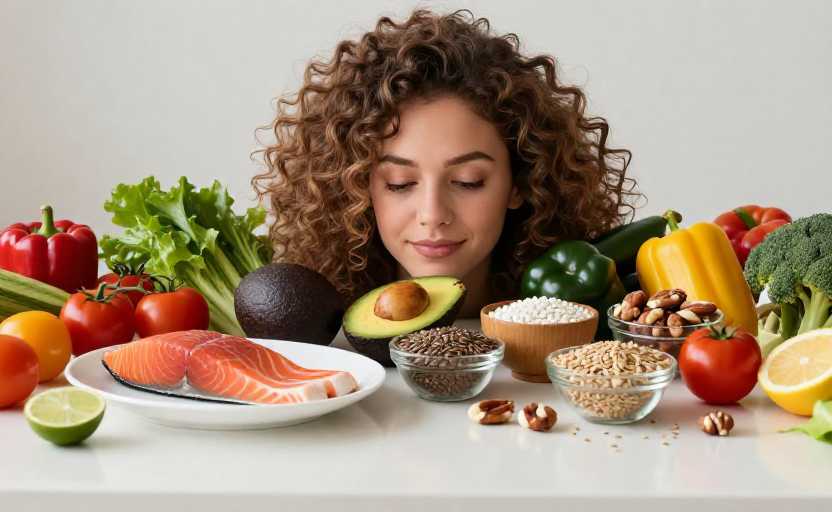
There is also a widely circulated misunderstanding, which is that people who have had a stroke must go on a vegetarian diet and cannot eat red meat, eggs, or seafood. This is really nonsense. I have seen several patients who heard rumors that they ate white porridge and vegetables every day and lost 10 pounds of muscle in 3 months, making them wobble when walking. On the contrary, those who ate lean beef two or three times a week, an egg a day, and occasionally some steamed fish had sufficient muscle mass, performed vigorous rehabilitation training, and recovered much faster. Of course, if you have high uric acid, eat less seafood. If you have high blood lipids, just eat one egg yolk every other day. Adjust according to your own physical examination report, and don’t listen to the one-size-fits-all rumors spread on the Internet.
When I educate patients, I usually say that dietary taboos are not shackles, and there is no need to weigh them on a scale every day. Just remember "less salt, less sugar, less oil, no alcohol, no hot food, eat a little of everything, and don't eat too much of anything." After all, eating happily and in a good mood will help recovery much more than eating those two bites you avoid.
Disclaimer:
1. This article is sourced from the Internet. All content represents the author's personal views only and does not reflect the stance of this website. The author shall be solely responsible for the content.
2. Part of the content on this website is compiled from the Internet. This website shall not be liable for any civil disputes, administrative penalties, or other losses arising from improper reprinting or citation.
3. If there is any infringing content or inappropriate material, please contact us to remove it immediately. Contact us at: