Vitiligo dietary taboos
At present, there are no absolute clinical dietary taboos for patients with vitiligo. Most daily foods can be eaten normally. There is no need to blindly avoid beef, mutton, seafood, so-called "fat foods" or even seasonings such as soy sauce and vinegar. On the contrary, many patients dare not eat anything for fear of affecting their condition. They end up suffering from malnutrition and reduced immunity, which will slow down the repair of melanocytes and even induce the spread of white spots.
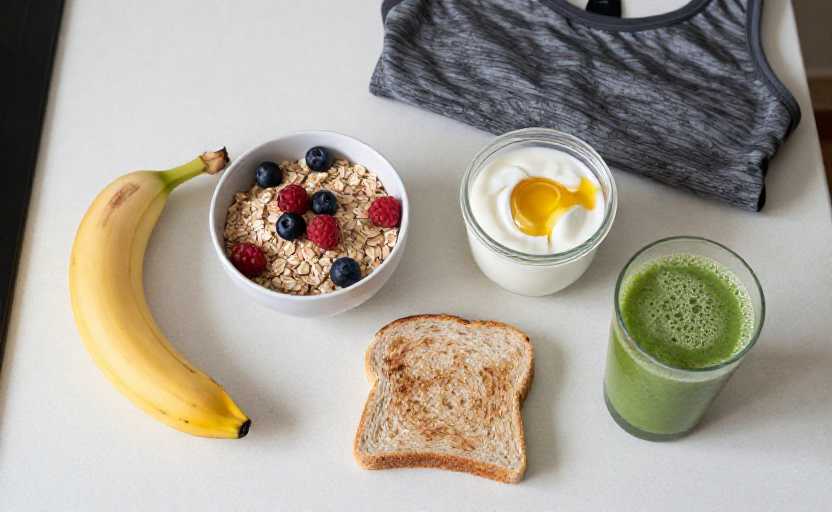
Last week, we just received a 19-year-old girl from the outpatient clinic. She was diagnosed with advanced vitiligo only half a month ago. Her face was sallow when she came in. When I asked her, I found out that she had heard online that she should avoid "dark foods" and didn't even dare to touch soy sauce or black rice. She only ate white rice and boiled cabbage in water every day, making her feel dizzy when walking. To be honest, I have seen too many similar misunderstandings.
The most frequently asked question is whether vitamin C can be eaten. This is indeed a point of controversy in the academic circles. Early studies believed that vitamin C has reducing properties and may hinder the synthesis of melanin in the skin. Therefore, many doctors used to recommend that patients completely avoid vitamin C. However, in recent years, more and more clinical data have proven that the vitamin C content in foods such as oranges, kiwis, and tomatoes that we eat daily is very limited. Unless you take several pills of medicinal vitamin C every day, or take high-dose supplement products such as whitening pills and effervescent vitamin C tablets for a long time, otherwise the normal amount of fruit eaten will not reach the threshold that affects melanin synthesis. On the contrary, proper intake of vitamin C can also resist oxidation and reduce the damage of free radicals to melanocytes. Of course, some conservative clinicians now recommend that patients in the advanced stage try to avoid taking large doses of vitamin C in the short term. This is actually okay. You can choose according to your own situation. If you really feel uneasy, just take less supplements. There is no need to burden yourself with eating an orange or an apple every day.
In addition to vitamin C, another taboo that has been rumored to be magical is "fatting". Beef, mutton, seafood, leeks, and mangoes are not allowed to be touched. This is actually a concept in traditional Chinese medicine. There is no such thing as "fatting" in the Western medicine system. I usually tell patients that the so-called "fat foods" are essentially foods that can easily induce allergies. As long as you don't have itchy skin, rashes, or white spots that become red and swollen after eating them, you can eat them normally. I once had a patient from Ordos who couldn't live without mutton since he was a child. After he was diagnosed, his family refused to eat it, and he was completely depressed. Later, I let him eat normally, as long as he didn't drink too much. As a result, he recovered faster than many patients with strict dietary restrictions. To put it bluntly, if his nutrition keeps up, his immunity is stable, and melanocyte repair will naturally be faster.
Of course, this does not mean that there are no taboos. There are certain types of things that I will remind patients to touch as little as possible when I receive treatment. It is really recommended that everyone try not to drink alcohol. Both Chinese and Western medicine have clearly stated that alcohol will dilate blood vessels, affect skin microcirculation, and reduce immunity. If patients in the advanced stage drink alcohol frequently, the probability of white spots spreading will be much higher. There are also processed foods that contain a large amount of phenolic compounds, such as inferior puffed foods and blended fruit-flavored drinks. Phenols have been proven to directly destroy melanocytes, so eat as little as possible. Smoking is not only bad for the lungs, but also affects the local blood oxygen supply in the skin, which is not good at all for the recovery of white spots.
Many people go to extremes and say they need to eat more black food to replenish melanin. They cook black beans, black sesame seeds, and black wolfberry in a pot every day. In fact, it is really unnecessary. The phytomelanin in these foods is not the same thing as the melanin in human skin. If you eat too much, your bowel movements will be darker at most, and it will not be replenished in the skin at all. If you want melanin synthesis to go smoothly, it is better to eat more foods rich in tyrosine, copper, zinc and other trace elements, such as lean meat, animal liver, nuts, etc., which are more effective than black rice porridge.
Two years ago, there was a patient who bought more than RMB 30,000 worth of "Vitiligo-free Vitamin C Meal Replacement" online. He suffered from anemia for three months and was admitted to the hospital. The white spots even spread to a small area. It was really not worth the gain. Nowadays, many merchants on the Internet are seizing on the anxious mentality of patients to market products. Foods that "can eliminate white spots after eating them" are all IQ taxes. Don't believe it.
In fact, if I really want to say it, the dietary principles for patients with vitiligo are not that complicated at all, just eight words: a balanced diet, in moderation. Treating yourself as a normal person and eating well is more effective than any messy taboos.
Disclaimer:
1. This article is sourced from the Internet. All content represents the author's personal views only and does not reflect the stance of this website. The author shall be solely responsible for the content.
2. Part of the content on this website is compiled from the Internet. This website shall not be liable for any civil disputes, administrative penalties, or other losses arising from improper reprinting or citation.
3. If there is any infringing content or inappropriate material, please contact us to remove it immediately. Contact us at: