Essential dietary elements in women’s diet
for female Generally speaking, paying attention to diet is good for the body healthy , eating right can also improve your beauty. So do you know what is the best thing for women to eat? Today I will recommend to you the essential elements in women’s diet. If you love health, don’t miss it.
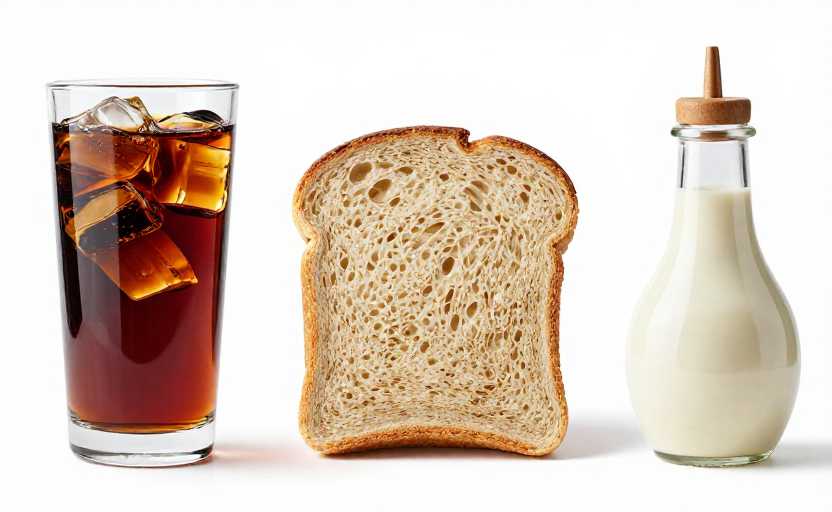
Nutrients that women cannot lack in their diet
1. Calcium: the cornerstone of bone health.
Calcium in the human body mainly exists in bones and teeth, accounting for about 99% of the total, and the remaining 1% is distributed in blood, intercellular fluid and soft tissues. Calcium plays an important role in ensuring women's bone health. According to surveys, the incidence of osteoporosis in Shanghai is male 20.1%, 48.1% of women, of which 24.9% are men over 60 years old, and 75.7% are women. It can be seen that calcium supplementation should become a lifelong nutritional homework for women. The average woman needs 800 mg of calcium per day, which increases to 1,000 mg during pregnancy and lactation. Among daily foods, those containing more calcium include milk, cheese, egg , soy products, kelp, seaweed, dried shrimps, sesame, hawthorn, marine fish, vegetables, etc. When consuming these calcium-rich foods, you should avoid eating too much phosphate, oxalic acid, and protein-rich foods to avoid affecting calcium absorption.
2. Iron: Only with iron can there be blood.
Replenishing blood is an important part of women’s health care, and replenishing blood is absolutely inseparable from iron supplementation. According to the recommendations of the Chinese Nutrition Society, adults should menopause Pregnant women need 20 milligrams of iron per day, ranging from 25 to 35 milligrams during pregnancy and lactation, while men only need 15 milligrams per day. The liver is the richest in iron, and lean meat, pig blood, fungus, potherb, sesame, beans, kelp, seaweed, apricots, peaches, plums, etc. also contain more iron.
3. Vitamin B6: prevention Gynecology sick.
The metabolism of estrogen and corticosteroids in women requires vitamin B6. Therefore, taking appropriate amounts can prevent gynecological diseases. disease . Some women may experience edema of hands and feet, pain in finger joints, vomiting, etc. during pregnancy, which can be improved by taking vitamin B6 under the guidance of a doctor. The recommended intake is 1.9 mg per day. Eating more natural, crudely processed foods can also help supplement vitamin B6.
4. Folic acid: nutrient during pregnancy.
Folic acid belongs to the B vitamins. It was first extracted from spinach leaves, so it is called "folic acid". It is an indispensable substance for cell proliferation and can also promote the secretion of milk, which is especially important for pregnant women or women after childbirth. Adult women need 400 micrograms of folic acid per day, 600 micrograms during pregnancy and 500 micrograms during lactation. In addition to pregnant women, the elderly, alcoholics, and people taking anticonvulsants and contraceptive pills also need to supplement more folic acid than ordinary people. Folic acid is mainly found in dark green vegetables, such as spinach, broccoli, rape, pak choi, etc.
5. Dietary fiber: protector of the intestines.
Dietary fiber itself has no "nutrition". Its biggest function is to promote gastrointestinal motility, accelerate the metabolism of toxins in the body, and relieve the problems that plague many women. constipate The problem mainly exists in whole-wheat bread, potatoes, leeks, celery, apples and other foods.
6 foods women should eat more
1. "Smelly" food.
Durian has a strong smell, and it is no exaggeration to say that it "stinks to heaven". However, in Thailand, due to its high nutritional value, it is often used as a tonic for patients and postpartum women to nourish the body. Durian is hot in nature, can activate blood circulation, dispel cold, and relieve Dysmenorrhea , especially suitable for troubled women. It can also improve the symptoms of cold abdomen and promote body temperature rise. It is an ideal supplement for those with cold constitution.
2. Astringent food.
Unripe persimmons and purple grape skins are very astringent foods. Their astringency is caused by tannins, phytic acid and oxalic acid in the food. These substances are powerful antioxidants and are useful in preventing diabetes and hyperlipidemia. Not only that, for the same fruit, astringent varieties are more valuable. For example, sour small apples are better than large, sweet Fuji apples.
3. Sour food.
Shaguo, hawthorn, pickles, etc. Their sour taste is caused by organic acids such as citric acid and malic acid. These natural acidic substances can promote the absorption of minerals, such as iron. Among fruits of the same variety, those with sour taste generally have higher vitamin C content. The vitamins are also more stable and easier to preserve.
4. Bitter food.
Foods like lemon peel, tea, dark chocolate, etc. are rich in various glycosides, terpenes and polyphenols, which make them bitter. For example, naringin in lemon peels and grapefruit peels, tea polyphenols in tea, and polyphenols in red wine and chocolate can prevent cancer and heart disease, and also bring a bitter flavor to food.
5. Spicy food.
The spiciness in food is generally provided by capsaicin or volatile sulfur compounds. Capsaicin has an analgesic effect, can also increase metabolism, burn fat, and have anti-inflammatory effects. Mustard has a strong spicy taste and has a strong stimulating effect. It can regulate endocrine and enhance sexual function. It can also stimulate the expansion of blood vessels, enhance the flow of qi and blood on the face, and make women's faces more rosy.
6. Rough food.
Such as chewy whole grains, chewy celery sticks and cabbage sticks. This is because such foods are rich in insoluble dietary fiber. But it is these dietary fibers that can help people prevent and prevent intestinal cancer, facilitate the discharge of metal ions, help the body detoxify, and lose weight. (Reference website: Northern Network)
Disclaimer:
1. This article is sourced from the Internet. All content represents the author's personal views only and does not reflect the stance of this website. The author shall be solely responsible for the content.
2. Part of the content on this website is compiled from the Internet. This website shall not be liable for any civil disputes, administrative penalties, or other losses arising from improper reprinting or citation.
3. If there is any infringing content or inappropriate material, please contact us to remove it immediately. Contact us at: