
Eosinophilic esophagitis: the culprit of dysphagia
If you repeatedly have trouble swallowing solid food, or even need to drink it with water, and there are no abnormalities after checking for gastroesophageal reflux and esophageal cancer, then eosinophilic esophagitis (EoE) is the "hidden culprit" that needs the most vigilance - it is also the number one cause of unexplained dysphagia among young and middle-aged people aged 18-50.
I just met a 28-year-old Internet practitioner in the outpatient clinic last week. He said that he has been getting stuck in his throat after eating bread and steak for the past three years. At first, he thought it was because he ate too fast, but later he had to eat half a cup of warm water even to eat steamed buns. His colleagues also laughed at him because he was "entering retirement early" by carrying a thermos cup every day. He had undergone gastroscopy twice before, but the report only said "chronic superficial gastritis", and no problem was found. It was not until this time that I performed a mucosal biopsy of multiple parts of his esophagus, and I found that the eosinophil count per high-power field of view reached 35, which is typical of EoE.
It is no accident that this disease has a high rate of underdiagnosis. Not to mention ordinary patients, when many grassroots doctors encounter dysphagia, their first reaction is either to check for esophageal cancer or to administer drugs for gastroesophageal reflux, without thinking about EoE at all. In addition, the endoscopic manifestations of early EoE are only longitudinal cracks in the esophageal mucosa and small damage like cat scratches. Inexperienced doctors just glance at it and dismiss it as ordinary inflammation. Many people wait until there is an annular stenosis in the esophagus and vomit after eating before they are diagnosed, and they have suffered for several years.
Oh, by the way, the academic community is not yet fully unified regarding the diagnostic threshold for EoE. The standard that has been used in Europe and the United States for almost ten years is that ≥15 eosinophils per high-power field can be diagnosed. Last year, the pediatric consensus issued by the Domestic Gastroenterology Society adjusted the threshold to 10. However, a few scholars believe that as long as the patient has typical dysphagia symptoms and characteristic endoscopic manifestations, even if the count is slightly lower, empiric treatment can be initiated first. There is no need to delay the condition by stuck on the number. There is also a group of scholars who insist on listing "proton pump inhibitor-responsive esophageal eosinophilia" separately, which is not considered a true EoE. Another group believes that this is a subtype of EoE, and the treatment options are not very different, so there is no need to make a hard distinction. In clinical practice, it is still based on the doctor's experience and judgment.
To put it bluntly, this disease is essentially a "chronic allergy" of the esophageal mucosa - eosinophils, which are originally responsible for killing parasites and regulating immunity, are stimulated by allergens in food or the environment, and swarm into the esophageal mucosa, attacking normal cells randomly. The tissue, the originally smooth and elastic esophageal wall, gradually becomes edematous, brittle and hard, and even narrows like a scar. Think about it, the originally smooth esophagus has turned into a narrow tube with bumps on the inner wall. Of course, it is easy to get stuck when eating dry and hard things. Not everyone has obvious difficulty swallowing. Some patients just feel that their chests are congested after eating. There are also many sick children who always complain of stomachaches and vomiting after eating. Parents think they are picky eaters, and many of them wait two or three years before being diagnosed.
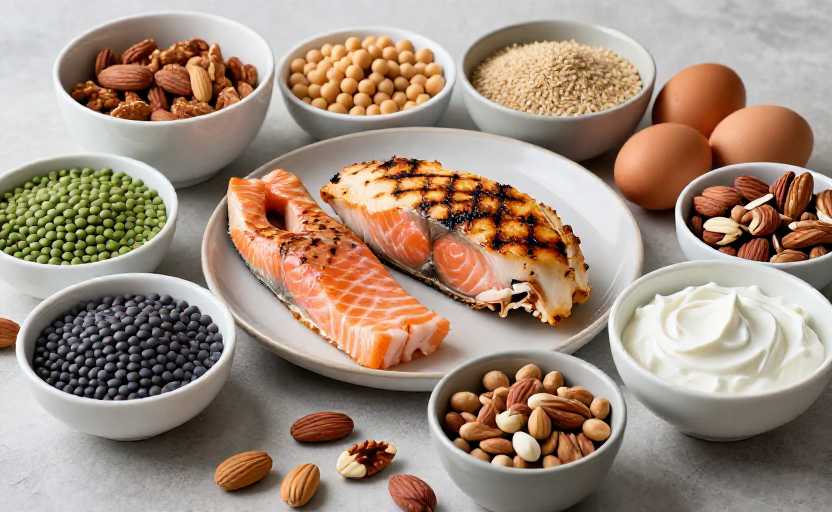
There are currently two mainstream intervention directions. One is dietary control. The classic plan is the "6 types of food elimination method", which eliminates milk, eggs, wheat, soybeans, nuts, and seafood. About 60% of patients' symptoms can be significantly improved. However, this plan is too difficult to execute, especially young people who have to socialize and like to eat takeout. They cannot persist at all. Some scholars now advocate doing allergen testing first, and just avoid the food you are allergic to in a targeted manner, without completely banning it. However, this plan is controversial. After all, the false positive rate of allergen testing is not low. Sometimes more than a dozen suspected allergic foods are found, so you can't just eat everything, right? Another option is drug intervention, either with proton pump inhibitors or swallowed budesonide suspension. The hormone acts directly on the esophageal mucosa and hardly enters the body. The side effects are very small. Most people can get rid of their symptoms in 1-2 months. The only problem is that it is easy to relapse after stopping the medication. Now many doctors recommend maintaining a low dose for a period of time after the symptoms disappear without stopping the medication directly, which can reduce the probability of recurrence.
When I usually talk to patients, I always say that there is no need to be anxious as soon as the disease is diagnosed. The incidence of EoE is getting higher and higher now. It is not a rare disease at all. To put it bluntly, it is like allergic rhinitis. It is a "little distraction" of the immune system. Once it is controlled, it will not affect normal life at all. If you have long-term difficulty swallowing and require water when eating solid food, don’t guess whether you have cancer. When you go to the gastroenterology department, take the initiative to ask “Do you want to check for EoE?” This will save you years of detours. After all, early detection and early intervention, and less suffering are better than anything else.
Disclaimer:
1. This article is sourced from the Internet. All content represents the author's personal views only and does not reflect the stance of this website. The author shall be solely responsible for the content.
2. Part of the content on this website is compiled from the Internet. This website shall not be liable for any civil disputes, administrative penalties, or other losses arising from improper reprinting or citation.
3. If there is any infringing content or inappropriate material, please contact us to remove it immediately. Contact us at:
