Allergy-friendly and nutritious food
No food can be “100% non-allergenic and suitable for everyone.” As long as you know your allergens in advance and avoid the risk of sensitization, natural, low-processed whole grains, non-highly allergenic fruits and vegetables, and animal proteins with low structural specificity are the best choices that take into account both low allergen risk and nutritional value.
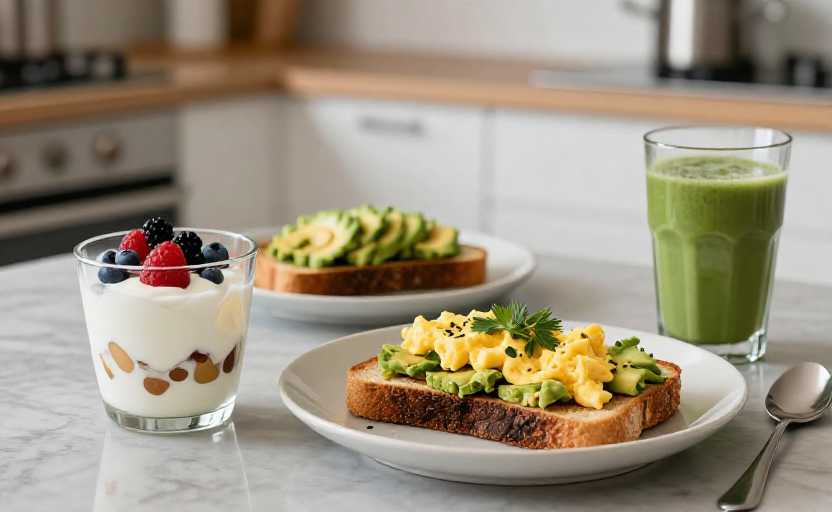
Many people look for this kind of food because they either have babies at home who are new to complementary feeding, or they have allergies that cause redness and itchiness when the seasons change, or they are just recovering from surgery and want to supplement nutrition but are afraid of stepping on the wrong side. A while ago, I helped my cousin make a list of complementary foods for 6-month-old babies. I read no less than 20 clinical nutrition documents and chatted with a nutritionist I knew well for two hours. I was very touched by this matter.
Don’t believe the “Top Ten Allergy-Free Universal Foods” posted online. Last year, I met a young man who followed a hypoallergenic recipe online for half a month and still got hives every day. When he finally checked the allergen, he found that he was allergic to millet, which was recommended in the recipe. No one can guarantee that a certain food is absolutely safe for this kind of small-probability allergic reaction. There are even extremely rare patients with aquatic urticaria in the clinic who will develop rashes even when they come into contact with cold water, let alone what they eat.
Although nothing is absolutely safe, there are actually many hypoallergenic and highly nutritious options that most people can eat. Take quinoa, for example. I always thought it was an IQ tax hyped in the fitness circle. Later I learned that it is one of the few cereals that contains complete protein, contains all 9 essential amino acids, and is almost gluten-free. Unless you are a very few people who have specific IgE antibodies to quinoa itself, most people who are intolerant to gluten and suffer from bloating and rhinitis when eating wheat products have basically no problem eating it. I once brought my baked quinoa and red date biscuits to a colleague who is allergic to gluten. She ate them and said they tasted much better than the gluten-free snacks sold outside. She even asked me for the recipe. Oh, by the way, if you choose oats, be careful not to buy ordinary bulk oats. Many processing plants process wheat at the same time. Cross-contaminated gluten can still cause intolerance. You must choose pure oats with gluten-free certification. The beta glucan in them is particularly good for the intestinal barrier. If people with allergies maintain their intestinal tract, the risk of allergy can be reduced a lot.
When it comes to fruits and vegetables, many people’s first reaction is that “tropical fruits are prone to allergies.” This is actually not entirely true. I ate mangoes a while ago and the area around my mouth turned red. I thought I was suddenly allergic to mangoes. I went to see a doctor. They were told that the aldehyde acid in the mango skin had probably irritated the mucous membranes and it was not a real allergy. Then when I peeled the mangoes, I peeled off the layer of flesh close to the skin and ate with a fork without touching my mouth. Sure enough, everything was fine. Among the commonly eaten fruits and vegetables, blueberries, apples, baby cabbage, and broccoli are all options with extremely low allergenicity, and are rich in vitamins and dietary fiber. Instead, pay attention to dried and preserved fruits with added sugar and preservatives. I have a friend who eats fresh peaches with no problem, but eats canned yellow peaches and gets rashes all over his face. It was eventually found out that he is allergic to the potassium sorbate in it. Intolerances caused by such processing additives are more common than allergies caused by the food itself.
Egg whites are the most controversial. Many people automatically classify eggs and milk as "highly allergenic" when they hear them. In fact, we have to break it down and look at it: Egg whites do have a high allergenicity rate, but egg yolks have very low allergenicity. Many children who are allergic to egg whites have no problem eating egg yolks.; If you are allergic to milk, choose a deeply hydrolyzed or amino acid formula, which will still provide enough high-quality protein. Another unpopular option is rabbit meat. I heard an allergist say before that the protein sequence of rabbit meat is very different from that of common pigs, cattle and sheep. The allergenicity rate is very low, and the fat content is lower than chicken. It is especially suitable for making floss as a complementary food for children with allergies. My cousin's children eat this now and have never had any problems. Of course, if you have a history of seafood allergy, you should avoid touching deep-sea fish no matter how good it is. But if you don’t have a history of related allergies, salmon and cod have high levels of Omega 3, which are also good for reducing inflammatory reactions and are much more reliable than taking supplements.
To find non-allergenic foods that suit you, don’t just look at the list online. The most reliable way is to either go to the hospital for a serum-specific IgE test and avoid things you are clearly allergic to first, or do a small-dose provocation test at home: What new things do you want to eat? Before eating, take a little juice and rub it on the inside of your forearm. If there is no redness or itchiness after 24 hours, sip a little more and observe for a long time if there is no reaction before eating normally. I used this method all the time when I was adding complementary foods to my niece. I have never stepped on any mistakes. It is much safer than trying blindly.
Oh, by the way, there are currently two different opinions on hypoallergenic diet in the nutrition community: one group believes that people with allergies must strictly avoid all high-allergenic foods for a long time, and they cannot touch even a little bit.; The other group believes that as long as it is not a severe allergy that can cause shock, exposure to low-dose allergens in small amounts and multiple times can slowly build up immune tolerance. I have a friend who was severely allergic to eggs when he was a child. When he grew up, he ate some occasionally, and now he can eat tomato scrambled eggs normally. In fact, both statements are reasonable. You must strictly avoid it during the attack period, but you can slowly try it under the guidance of a doctor during the stable period. There is no need to directly kill a certain food with a stick.
In the final analysis, there is no unified answer when it comes to finding "allergenic and nutritious food." If someone else eats something that is healthy, but you feel bloated, itchy, and uncomfortable after eating it, it is not a good thing for you. There is no need to follow the trend when it comes to eating. What suits you is the best.
Disclaimer:
1. This article is sourced from the Internet. All content represents the author's personal views only and does not reflect the stance of this website. The author shall be solely responsible for the content.
2. Part of the content on this website is compiled from the Internet. This website shall not be liable for any civil disputes, administrative penalties, or other losses arising from improper reprinting or citation.
3. If there is any infringing content or inappropriate material, please contact us to remove it immediately. Contact us at: