Diet taboos for gallbladder polyps
Don’t eat high-fat and high-cholesterol meals for a long time, don’t eat irregularly for a long time but don’t eat until you’re full, and don’t drink a lot of alcohol for a long time. The rest of the “can’t eat eggs, can’t touch seafood, can’t eat soy products” spread online are basically misunderstandings without clear evidence-based basis. You don’t have to use them to restrict your diet.
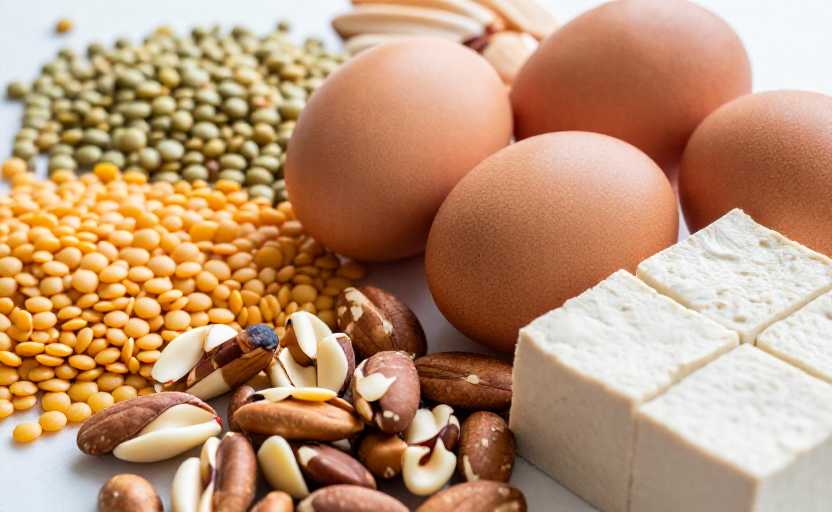
Last week, a 32-year-old programmer, Xiao Zhou, came to my clinic. Last year, he was diagnosed with 3mm cholesterol polyps during a physical examination. After watching a short video, he said that gallbladder polyps should be vegetarian, and eggs, seafood, and tofu are all "hairy" foods and should not be touched, so he stopped for half a year.
You say this is a loss.
During the last review, not only did the polyps swell to 4mm, but mild anemia was also found. His entire face was as yellow as a three-day-old orange. When I asked him, I found out that he didn’t even dare to eat boiled eggs for breakfast. He ate steamed buns with vegetables every day and didn’t even dare to touch anything that tasted bad.
In fact, many people are confused about the dietary taboos of gallstones. They either directly copy the requirements of gallstones, or listen to the rumors on the Internet and completely ignore the different types of gallstones themselves, and the precautions for different situations are very different.
Current clinical data shows that more than 90% of gallbladder polyps are cholesterol polyps. To put it bluntly, the concentration of cholesterol in the bile is too high, and small precipitated crystals hang on the gallbladder wall. This is more related to diet. The remaining inflammatory polyps are mostly related to the stimulation of chronic cholecystitis. Most of the adenomatous polyps are linked to gene mutations and genetic factors. Dietary restrictions have basically no effect. Follow-up is necessary. If the diameter exceeds 1cm, it should be removed. Don’t expect it to be eliminated by eating or not eating.
First, let’s talk about the issue of high fat and high cholesterol that everyone is most concerned about. It’s not that we should not touch meat and eggs at all. If you eat crab roe noodles once a week to satisfy your cravings, and occasionally eat braised pork elbow, it will have no effect at all. If the table is filled with dishes such as pork intestines, braised crab roe, and fried pork belly, the cholesterol concentration in the bile will increase. If you already have cholesterol polyps, of course they will grow bigger and bigger.
Many people ask if they can eat eggs? I usually tell patients that one hard-boiled egg a day is perfectly fine. Just don’t eat fried omelettes or salty tea eggs. Egg whites are high-quality proteins, and the lecithin in the yolks actually helps with lipid metabolism. There is really no need to pick out the egg yolks and throw them away. It is a waste. The same goes for seafood. The fat content of steamed shrimps and deep-sea fish is lower than that of lean pork. It is perfectly fine to eat them normally. Just don't touch the ones that are baked in butter, stir-fried with spicy food, or fried in thick batter.
Another point that many people ignore is that the harm of irregular eating is even greater than eating an extra bite of fat. I met too many young girls in their twenties at the outpatient clinic who skipped breakfast in order to get ten more minutes of sleep and found out they had gallbladder polyps during physical examinations. Think about it, bile has been stored in the gallbladder all night, waiting for something to eat in the morning to stimulate its contraction and emptying. If you don't eat breakfast, it will remain there. Just like a pool of stagnant water that has been left for a long time, it is easy for sediment to accumulate. Cholesterol is more likely to precipitate and hang on the wall of the gallbladder, which will aggravate the condition of polyps.
As for drinking, there is actually nothing controversial about this. Whether it is liquor, beer or fruit wine, alcohol will stimulate abnormal gallbladder contraction and affect the lipid metabolism function of the liver. For people with gallbladder polyps, drinking large amounts for a long time will definitely not be beneficial. Of course, there is no need to overdo it. If you drink two glasses of beer at a gathering of relatives and friends during the Chinese New Year, you don’t have to be scared that polyps will turn malignant soon. The key point is not to drink for a long time, let alone drink half a catty of white wine in one sitting. It will not be easy for your body.
I would like to mention here that different schools of medicine do have different views. For example, many doctors in traditional Chinese medicine will advise patients with gallbladder polyps to eat less spicy and cold foods. This is actually not unreasonable, especially for people who have chronic cholecystitis and are prone to right upper quadrant pain after eating spicy and cold foods. Inflammation will stimulate the growth of polyps, and of course they must be properly controlled. There is no need to insist that you can eat whatever you want without Western medicine mentioning it. Individual differences are here, and your own physical feelings are the most reliable.
There is also a widely circulated misunderstanding that you cannot eat soy products. I have not found the source of this statement until now. Unless you have flatulence and digestive discomfort after eating soy products, drinking soy milk, eating tofu normally, and supplementing with some vegetable protein are good for lipid metabolism. There is really no need to blacklist soy products for no reason.
In fact, there is really no need to regard gall polyps as a scourge. More than 95% of them are benign. Just review the abdominal color ultrasound once a year to observe changes in size. Follow the general principles when it comes to diet, and don’t make yourself malnourished due to dietary restrictions. Occasionally, it’s okay to have a craving for barbecue hot pot. If your upper right abdomen feels swollen and uncomfortable after eating, just eat less next time. You can’t live a life without even being able to eat your favorite food, right?
Disclaimer:
1. This article is sourced from the Internet. All content represents the author's personal views only and does not reflect the stance of this website. The author shall be solely responsible for the content.
2. Part of the content on this website is compiled from the Internet. This website shall not be liable for any civil disputes, administrative penalties, or other losses arising from improper reprinting or citation.
3. If there is any infringing content or inappropriate material, please contact us to remove it immediately. Contact us at: