Dietary taboos for lymphoma patients
Dirty foods that are not thoroughly cooked and pose a risk of contamination with pathogenic bacteria, all alcoholic beverages, and foods to which you are clearly allergic. Other statements such as "can't eat hairy things", "can't eat sweets", and "can't eat spicy food" spread online are all based on individual circumstances and there is no unified standard.
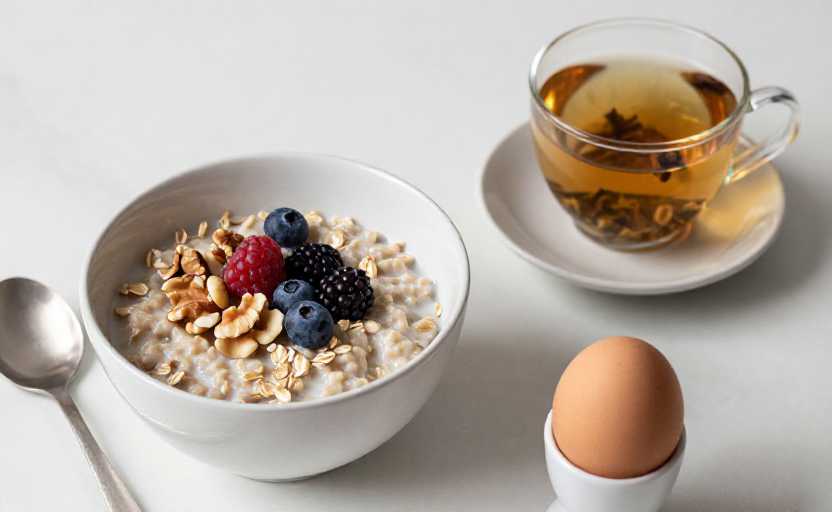
To be honest, I have seen many patients stepping into pitfalls of unclean food. There was a young man in his 20s who had just been discharged from the hospital after chemotherapy. He was so greedy that he ate raw pickled shrimp from a roadside stall. He suffered from vomiting and diarrhea that night. It was found that he had sepsis caused by bacterial infection. He stayed in the ICU for a week. Not only was the effect of the previous treatment compromised, but he also spent hundreds of thousands more in medical expenses. Of course, it doesn’t mean that you can’t touch all raw and cold foods. If you are already in the recovery period and all blood test indicators are normal, it is perfectly fine to eat clean salad dishes made at home or even the medium-rare steak you are used to eating in moderation. The only thing to pay attention to is the stage after chemotherapy when bone marrow is suppressed and white blood cells are extremely low. The immunity is so weak that it cannot even withstand common opportunistic pathogens. At that time, even if it is a ready-made fruit plate cut in the supermarket, it is recommended to wash it and peel it before eating, or heat it before eating it. Don't save time and take risks. A few days ago, I saw someone in a patient group asking whether soy sauce should not be eaten. I was really dumbfounded. As long as it is a qualified condiment produced by a regular manufacturer, it is perfectly fine to use it normally, and there is no need to overdo it.
The only thing that is more dangerous than eating raw or cold food is smoking and drinking. This is also something that many general practitioners will uniformly ask to quit. Don’t believe in the old saying that “drinking a small amount of alcohol activates blood vessels.” Alcohol is a clear carcinogen. Even if it is a low-concentration product such as red wine or fruit beer, as long as it contains alcohol, it will cause trouble for the liver and kidneys, which are already burdened with treatment. Especially when using chemotherapy drugs such as oxaliplatin and methotrexate that require liver and kidney metabolism, drinking alcohol may even induce acute liver and kidney injury, which directly affects the rhythm of subsequent treatment.
After talking about the generally recognized taboos, let’s talk about the issue of “hair growth” that everyone is most troubled with. This is definitely the most noisy topic in the patient group. Roosters, seafood, beef, mutton, and leeks are all on the list of things that the elderly at home often list. In some extreme cases, even eggs and milk are not allowed to be touched. In fact, Western medicine has never had the concept of nourishing food. Instead, these foods are the core source of high-quality protein. During chemotherapy, a large amount of protein is required to maintain immunity. If you give up completely, it will easily wear down the body. I met a patient who was in stage 3 before. He was forced by his family to give up all hair products and drink white porridge with boiled vegetables. In less than a month, he lost more than 20% of his albumin, and his chemotherapy was postponed for half a month, which in turn delayed the treatment. Of course, that doesn’t mean that what TCM says is completely unreasonable. If you eat a certain food and experience itching, stomach bloating, or even inexplicable fever, it means you are intolerant to the food. You can just stop eating it temporarily. There is no need to force it to eat, and there is no need to classify it as a taboo that all patients cannot touch.
In addition to hair, there are two taboo statements that are most widely circulated on the Internet, one is that you cannot eat sweets, and the other is that you cannot eat spicy food. It is said that "eating sugar will feed tumors" actually simplifies the energy supply mechanism of tumor cells. Even if you don't eat added sugar at all, your body will convert the staple food, protein and even fat you eat into glucose for energy. If you completely quit sugar, the last thing that will starve are normal cells. Tumors should compete for nutrients. As long as you don't let go of milk tea, cakes, and sweet drinks, it is perfectly fine to eat sugar from rice and fruits normally. As for whether you can eat spicy food, there is no unified standard. I know several patients in Chongqing and Hunan who had a bitter taste in their mouths after chemotherapy and wanted to eat a bowl of spicy noodles. After eating, they opened up their appetite and could eat two more ribs and drink a glass of milk. They provide much more nutrition than forcing themselves to eat bland white porridge. As long as you are used to eating spicy food and don't have stomach pain or diarrhea after eating, there is no need to eat spicy food.
Finally, I would like to mention a special taboo: If you are taking targeted drugs, you should avoid grapefruit, grapefruit juice, and some varieties of star fruit and Seville oranges. The ingredients in these fruits will interfere with the enzymes in the liver that metabolize drugs, causing the drugs to accumulate in the body, but increasing the probability of side effects. This has been clinically proven, so be sure to keep it in mind.
In fact, in the final analysis, the dietary taboos for lymphoma patients are really not that complicated. There is no need to check them one by one from the long list on the Internet. The core is to eat cleanly, eat comfortably, and keep up with nutrition. After all, eating well and drinking well are the basis for surviving treatment.
Disclaimer:
1. This article is sourced from the Internet. All content represents the author's personal views only and does not reflect the stance of this website. The author shall be solely responsible for the content.
2. Part of the content on this website is compiled from the Internet. This website shall not be liable for any civil disputes, administrative penalties, or other losses arising from improper reprinting or citation.
3. If there is any infringing content or inappropriate material, please contact us to remove it immediately. Contact us at: