Diet taboos for dogs after caesarean section
Within 7 days after the operation, absolutely avoid high-oil and high-fat hair products, hard and indigestible foods, and pungent seasoning foods. Do not blindly follow the trend in the selection of other supplements and ingredients. They should be flexibly adjusted based on the physical condition of the female dog and the amount of lactation. There is no absolutely unified "must eat/must not eat" list.
Don’t take it seriously. Last week I met a girl who raised a tricolor corgi. Her dog had just been born by caesarean section 6 hours ago. She heard the elders at home said that she needed to recuperate, so she directly fed her a large bowl of boiled pig’s trotter soup. As a result, the dog had watery stools that night, and the wound on the abdomen started to ooze. The sutures that could be removed in 7 days were delayed to 10 days. The female dog suffered a big sin.
Many people may have heard two completely opposite opinions. One is that you must wait for exhaust before eating after surgery, otherwise intestinal obstruction will occur. The other is that you are very weak after childbirth and must take supplements when you wake up, otherwise there will be no milk. In fact, both statements are reasonable. The routine clinical operation is to feed a small amount of warm glucose water or goat milk powder 6 hours after the operation. Feeding 10-20ml at a time is enough. After observing that there is no vomiting or coughing reaction for 2 hours, slowly increase the amount. If the female dog wakes up and is in good spirits and actively looks for food, even if there is no flatulence, feeding some thin liquid food is completely fine. There is no need to stick to the rule of "eating only after flatulence". After all, individual differences are really huge.
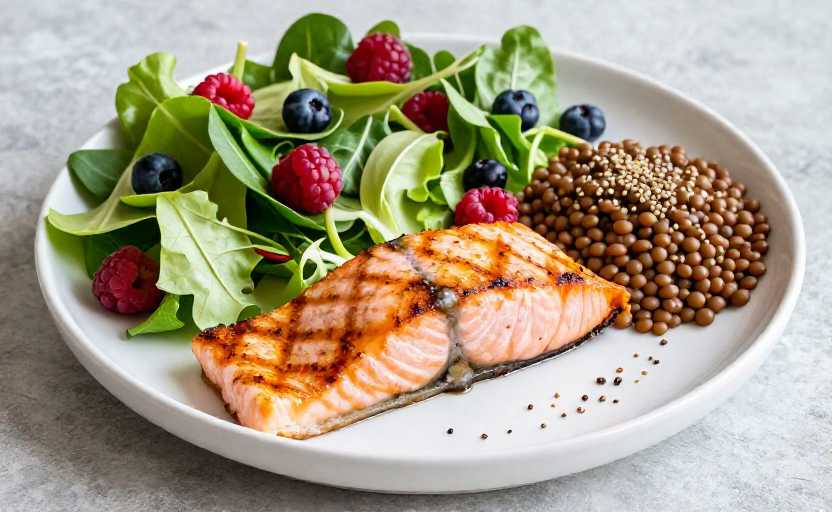
First, let’s talk about the high-oil and high-fat foods that you must avoid, such as old hen soup, pig’s trotter soup, meat cooked with butter hot pot base (some people really feed me this, I’m not kidding), and salmon, shrimp and other allergy-causing foods, so don’t touch them if you can. It’s not that these things are not nutritious, but the gastrointestinal motility of female dogs who have just had a caesarean section is very slow, and they can’t digest high-fat things at all. They can cause diarrhea or pancreatitis, and the hair can easily cause wound edema. I used to have a golden retriever who was distressed about the dog and fed him two steamed king crab legs after the dog gave birth. The next day, the area around the wound was swollen and shiny, and tissue fluid oozed for two days, and antibiotics were given for three more days.
When it comes to supplementation, many people’s first reaction is to supplement calcium after childbirth. This matter is actually very controversial. If your female dog gives birth to less than 5 pups in a litter, and her diet is quite balanced, you really don’t need to supplement with liquid calcium or calcium powder in the first week after giving birth. If you supplement too much, it will cause the blood calcium concentration to rise sharply and destroy the body’s own blood calcium regulation mechanism. When the amount of lactation is heavy later, it will easily cause hypocalcemia and convulsions. If there are more than 6 pups, you can start supplementing in small amounts on the 4th day after delivery. Don’t feed at the maximum dose right from the beginning. Just feed once every other day. Watch for panting and shivering before making adjustments.
Also, don’t feed dry dog food, dried meat, bones and other hard things right after the catheter is removed. The anesthetic will inhibit gastrointestinal motility during caesarean section. Many female dogs are prone to constipation in the first three days after delivery. The abdominal pressure will increase when exerting force, which may cause pain in the wound, or can actually open the unhealed wound. I met a Schnauzer two years ago. The owner wanted to save trouble and fed him the usual air-dried food on the third day after delivery. As a result, the dog was constipated and squatted for more than ten minutes without being able to poop out. It was howling. When he was brought over, he saw that the wound was bleeding, and he had to have two more stitches. It was so painful. If you really need to feed food, it is best to soak it with warm goat milk powder for the first three days and then feed it. Eat small and frequent meals, 4 or 5 times a day, and only eat until you are 7 minutes full each time. The stomach will be bloated and uncomfortable, and the dog will move back and forth and pull the wound.
As for irritating things, needless to say, onions, garlic, and grapes should not be fed in normal times, especially after giving birth. Don’t add salt or seasonings to the broth to enhance the flavor. Dogs’ kidneys have poor ability to metabolize salt. After childbirth, the body is weak. Eating too much salt will increase the burden on the kidneys and increase the salt content in the milk. Puppies will easily have soft stools and even electrolyte disorders after drinking. It is really unnecessary.
By the way, there is a saying that has been circulating for many years, saying that you should feed brown sugar water to replenish blood after giving birth. I personally do not recommend this. Dogs have different sugar metabolism than humans. Drinking too much brown sugar water will make the stool soft and raise blood sugar quickly. If you really want to replenish blood, you can Feed boiled pork liver paste twice a week, about 10g each time, which is much more reliable than brown sugar water. Of course, if your dog usually drinks a small amount of brown sugar water and has no reaction, it is not a big deal to miss two mouthfuls. Don't worry too much.
In fact, there are really not so many black and white rules when it comes to raising pets. The taboos mentioned above are all likely to be violated. If your dog usually has a strong stomach and is drooling at the boiled chicken breast in your hand the day after giving birth, it is totally fine to feed it a few pieces. The key is to observe its reaction. As long as it does not vomit or poop after eating, and the wounds are normal, there is no need to stick to the diet. After all, the female dog is in a good mood and recovers quickly, right?
Disclaimer:
1. This article is sourced from the Internet. All content represents the author's personal views only and does not reflect the stance of this website. The author shall be solely responsible for the content.
2. Part of the content on this website is compiled from the Internet. This website shall not be liable for any civil disputes, administrative penalties, or other losses arising from improper reprinting or citation.
3. If there is any infringing content or inappropriate material, please contact us to remove it immediately. Contact us at: