The difference between yoga and Tai Chi
The former was born out of the ancient Indian Brahmanism and Hindu practice systems. The ultimate goal is to achieve the "unity of Brahman and self" through coordinated practice of body, breath and heart, and escape the suffering of reincarnation;
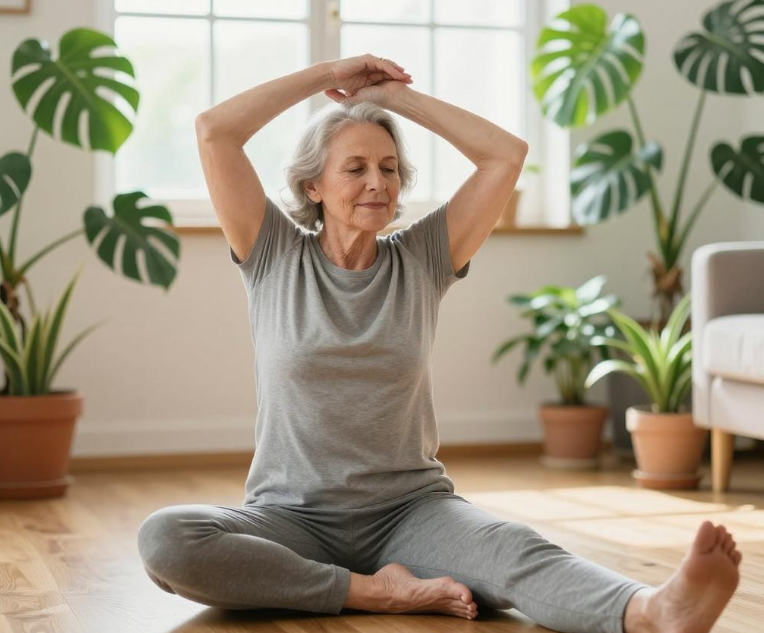
As an ordinary enthusiast who has practiced Ashtanga Yoga for 6 years and Chen-style Tai Chi for 3 years at the same time, the first difference I noticed was that my physical sensation after practicing was completely different. After doing two sets of sun salutations in the morning during morning classes in the summer, the sweat all over my body is soaked, and the stretching sensation spreads out from the muscle fascia. It's like a deep combing of the whole body, and the whole person is light and stretched. If you stand for half an hour and then perform the old routine twice, the sweat will seep out from the seams of the bones.
If you dig deeper, the difference in breathing logic is actually the easiest thing for novices to perceive. When practicing yoga, the teacher will teach Ujayi breathing from the first class, requiring the throat to be half closed, inhaling and exhaling for the same length or even longer. The whole process is actively controlled, and the breathing rhythm must be adjusted according to the opening and closing of the postures; but the Tai Chi teacher’s first class You are not asked to deliberately adjust your breathing at all. They just say, "When you do the movements smoothly, your breathing will naturally follow." It took more than half a year of practice to slowly feel the feeling of "qi sinking in the Dantian." It is because the abdominal breathing follows the movements naturally, and there is no need to deliberately control the duration.
What’s interesting is that many people think that both of them are slow exercises, and both are essentially body-building. In fact, even if they both improve the same shoulder and neck problem, the underlying logic of the two is completely different. I used to have a design student who had rounded shoulders and hunched back at his desk for a long time. After practicing yoga for two months, including Cow Face Pose and Baby Pose, his shoulder and neck pain was mostly cured. The essence was to stretch the tight upper trapezius muscles and strengthen the weak rhomboids, which is a musculoskeletal adjustment. I asked Uncle Zhang who practices Yang-style Tai Chi in the park. He taught another young man with shoulder and neck pain to practice Yun Shou for 20 minutes a day, and his condition improved after three months. According to Uncle Zhang, "Yun Shou travels through the Shaoyang Sanjiao Meridian of the hand, and when the Qi and blood flow, there will be no pain." This is completely the logic of traditional Chinese medicine.
When I participated in the physical and mental healing industry forum before, the speeches of two teachers with different cultural backgrounds actually just pointed out the difference in their ultimate directions. A devotional yoga master from India said, "The ultimate goal of yoga is to break away from the shackles of the body. Don't be obsessed with whether the postures can be done properly. They are just crutches for practice." The Chen-style Tai Chi disciple on the same stage smiled and added, "Tai Chi requires you to take root in the body. Your skin, flesh, muscles, bones, and blood are all connected with the heaven and earth. To the deepest level of practice, the physical body and nature are at the same frequency." Of course, this is just the viewpoint of each school. If you ask practitioners who practice Zhi Yoga, they may not consider asana practice to be yoga at all. If you ask athletes who practice competitive Tai Chi, their core goal is to compete and win awards, and they will not talk too much about the unity of nature and man. The difference between the two schools is actually no smaller than the overall difference between the two.
Of course, there are a lot of controversies now. For example, many people complain that the yoga on the market has been changed to fat loss exercises and bodybuilding classes, and Tai Chi has become an aerobics exercise for uncles and aunts in the park, completely losing its traditional core. However, some practitioners feel that this kind of transformation has actually lowered the entry barrier. Originally, most ordinary people did not practice this for cultivation or martial arts. They just wanted to improve their sub-health and move their muscles. It would make more people willing to move, which is not a bad thing. I personally don’t think there is any need to argue about right and wrong. I have seen yoga teachers who practice difficult poses hurt their knees so much that they can’t walk, and I have also seen old men who practice Tai Chi every day wear out their menisci in their knees. The essence is that the movement force is not standard, and it has nothing to do with the exercise itself.
To be honest, for the vast majority of ordinary people who just want to find a suitable exercise to stick to, these cultural differences do not need to be too detailed. It is best if you feel comfortable after practicing and can persist for a long time. If you are really interested in the culture behind it, the difference between the two is enough to write several monographs. If you really study hard, you may not be able to finish it in most of your life.
Disclaimer:
1. This article is sourced from the Internet. All content represents the author's personal views only and does not reflect the stance of this website. The author shall be solely responsible for the content.
2. Part of the content on this website is compiled from the Internet. This website shall not be liable for any civil disputes, administrative penalties, or other losses arising from improper reprinting or citation.
3. If there is any infringing content or inappropriate material, please contact us to remove it immediately. Contact us at: